Understanding the True Cost of Homeownership
When you're excited about purchasing a home in the Syracuse area, it's easy to focus solely on the purchase price. However, savvy homebuyers know that the actual cost of buying a property extends far beyond the down payment. Closing costs represent a significant portion of your total investment and can range from 2-5% of your home's purchase price. For a $300,000 home, this could mean anywhere from $6,000 to $15,000 in additional expenses.
Understanding these costs upfront allows you to budget more accurately and avoid surprises at the closing table. Whether you're buying in Syracuse, Camillus, or East Syracuse, knowing what to expect helps you make informed financial decisions and negotiate better terms with sellers and lenders.
Common Closing Costs: Property Taxes, Insurance, and Inspections
Loan-Related Fees
Your lender will charge several fees to process and fund your mortgage. These typically include:
- Origination fees: Usually 0.5-1% of the loan amount, covering the lender's administrative costs
- Appraisal fees: Typically $400-$600 to determine the property's fair market value
- Credit report fees: Generally $25-$75 for the lender to pull your credit history
- Title search and insurance: Ranging from $200-$400 to verify ownership and protect against claims
Property-Related Costs
Several expenses relate directly to the property itself:
- Home inspection: $300-$500 for a professional evaluation of the property's condition
- Property taxes: Often prorated based on the closing date and paid at closing
- Homeowners insurance: First year premium or deposit required by your lender
- HOA fees: If applicable, prepaid or prorated amounts for homeowners associations
Government and Recording Fees
Various government entities charge fees to record your deed and transfer ownership:
- Recording fees: Typically $50-$200 depending on the county
- Transfer taxes: Vary by location; New York has specific transfer tax rates
- Document preparation fees: Usually $100-$300 for legal document preparation
Additional Expenses
Pest inspections, radon testing, and septic inspections may be required depending on the property type and location. These specialized inspections typically cost $150-$400 each. Additionally, attorney fees for reviewing documents and conducting the closing can range from $500-$1,500 in New York.
Regional Variations: How Syracuse Area Closing Costs Compare
Syracuse Market Specifics
The Syracuse market presents unique closing cost considerations. As New York's fourth-largest city, Syracuse has established real estate practices and standardized fees. New York State transfer taxes apply to all property transfers, calculated at 1% of the purchase price for most transactions. Additionally, many Syracuse properties require lead-based paint disclosures for homes built before 1978, which may necessitate additional inspections.
Camillus Considerations
Located in Onondaga County, Camillus offers suburban living with its own closing cost factors. Properties in this area may have homeowners association fees that need to be prorated at closing. The town's recording fees align with county standards, and many Camillus homes are newer, potentially reducing inspection-related costs. However, some properties may require septic system inspections if they're not connected to municipal sewer systems.
East Syracuse Dynamics
East Syracuse, also in Onondaga County, typically experiences similar closing costs to Camillus. The proximity to Syracuse means access to the same lenders and service providers, often resulting in competitive pricing. Property tax rates in East Syracuse may differ slightly from Syracuse proper, affecting your prorated tax calculations at closing. Many East Syracuse properties are residential, which generally means straightforward closing processes without commercial property complications.
Comparative Advantages
Buyers in the Syracuse area benefit from competitive real estate markets. Multiple lenders and title companies create price competition, potentially lowering your closing costs. Working with local real estate professionals who understand regional variations can help you identify opportunities to reduce expenses. Some sellers in the area may be willing to cover certain closing costs as part of negotiations, particularly in a buyer-friendly market.
Planning Your Budget for a Smooth Closing
Creating Your Closing Cost Estimate
Your lender is required to provide a Closing Disclosure at least three business days before closing. This document itemizes all closing costs and allows you to review charges before signing. Request a preliminary estimate early in the process to begin budgeting. Don't hesitate to ask your lender to explain any unfamiliar fees or charges.
Negotiation Strategies
Remember that some closing costs are negotiable. Shop around with multiple lenders to compare origination fees and discount points. Ask sellers to cover certain costs, particularly in competitive markets. Some lenders offer no-closing-cost mortgages, though these typically come with higher interest rates. Evaluate whether paying closing costs upfront or rolling them into your mortgage makes financial sense for your situation.
Final Preparation Tips
- Request a detailed closing cost breakdown at least one week before closing
- Review your Closing Disclosure carefully and ask questions about any discrepancies
- Arrange financing for closing costs well in advance
- Confirm which costs are being paid by you versus the seller
- Bring a valid ID and any required documents to the closing appointment
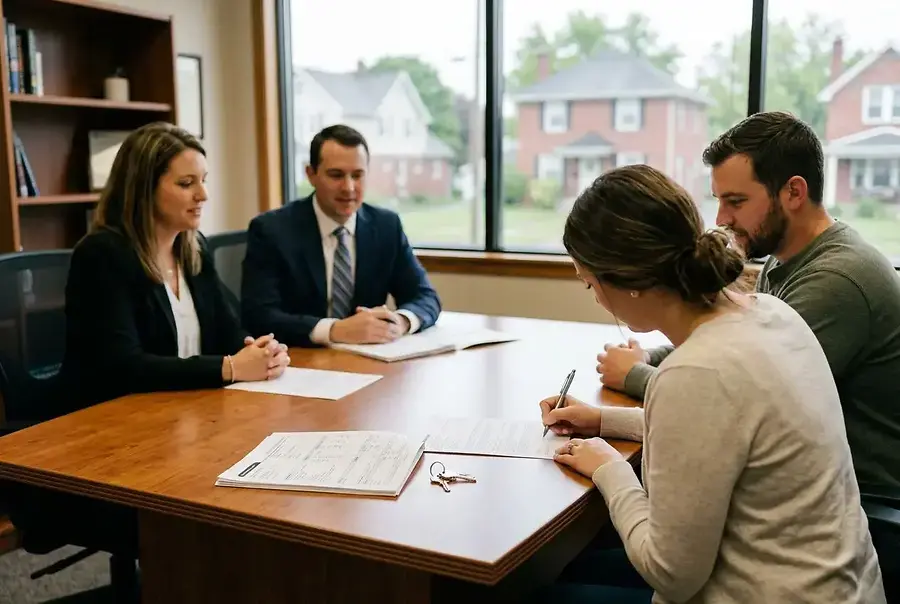
Closing day marks the exciting moment when you officially become a homeowner, but understanding the financial details beforehand ensures a smooth, stress-free experience. By educating yourself about closing costs specific to the Syracuse, Camillus, and East Syracuse areas, you're taking control of your home purchase and making informed decisions that benefit your financial future.
