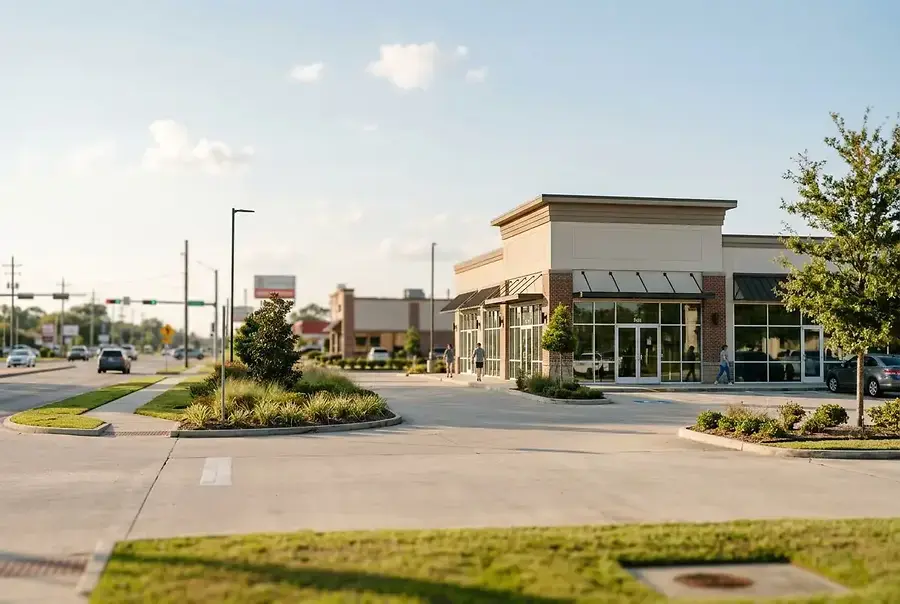
Understanding Slidell's Commercial Real Estate Landscape
Slidell has emerged as a vibrant hub for commercial real estate investment, offering diverse opportunities for both seasoned investors and newcomers to the market. Located in St. Tammany Parish, this growing community benefits from strategic proximity to New Orleans, a robust population base, and increasing economic development initiatives. The commercial real estate sector in Slidell continues to expand, driven by retail growth, office space demand, and industrial development along key transportation corridors.
The market's appeal lies in its accessibility, competitive pricing compared to neighboring areas, and strong fundamentals. Whether you're interested in retail properties, office buildings, industrial warehouses, or mixed-use developments, Slidell presents compelling opportunities for investors seeking growth potential and steady returns.
Key Factors to Consider When Evaluating Commercial Properties
Location and Accessibility
Location remains the cornerstone of successful commercial real estate investment. When evaluating properties in Slidell, consider proximity to major highways, public transportation, and population centers. Properties near I-10, I-12, and major commercial corridors typically command premium values and attract quality tenants. Assess foot traffic patterns, visibility from main roads, and ease of access for both customers and delivery vehicles.
Market Demand and Tenant Quality
Understanding local market demand is crucial for long-term success. Research the types of businesses thriving in Slidell and identify gaps in the market. Evaluate potential tenant quality by examining:
- Tenant creditworthiness and business stability
- Lease terms and rental rate trends
- Occupancy rates in comparable properties
- Industry growth in your target sector
Strong tenants with solid credit histories and long-term leases provide reliable income streams and reduce vacancy risk.
Property Condition and Infrastructure
Conduct thorough inspections to assess the physical condition of any property you're considering. Evaluate structural integrity, mechanical systems, roof condition, and parking facilities. Understanding the age and maintenance history of the building helps you anticipate future capital expenditures. Additionally, review zoning regulations, building codes, and any environmental considerations that might affect the property's use or value.
Financial Performance Metrics
Analyze key financial indicators to determine investment viability:
- Cap Rate: The capitalization rate indicates your annual return on investment based on net operating income
- Cash Flow: Calculate positive cash flow after all expenses, including mortgage payments, taxes, insurance, and maintenance
- Debt Service Coverage Ratio: Ensure net operating income sufficiently covers loan payments
- Price-to-Rent Ratio: Compare property price to annual rental income to assess valuation
These metrics provide objective benchmarks for comparing investment opportunities and identifying undervalued properties.
Financing Options and Investment Strategies for Commercial Buyers
Traditional Commercial Loans
Most commercial property investors utilize traditional bank financing, which typically requires 20-25% down payment and offers competitive interest rates for qualified borrowers. Commercial loans generally have 5-10 year terms with fixed or adjustable rates. Building strong relationships with local lenders familiar with Slidell's market can provide advantages in loan approval and terms negotiation.
SBA Loans and Alternative Financing
Small Business Administration loans offer favorable terms for qualified borrowers, with down payments as low as 10%. These loans are particularly attractive for investors with limited capital or those purchasing smaller commercial properties. Additionally, explore alternative financing options such as:
- Hard money lenders for quick closings and flexible qualification criteria
- Private investors and partnership arrangements
- Seller financing for motivated sellers
- Crowdfunding platforms specializing in real estate
Investment Strategies for Slidell Market
Buy and Hold Strategy: Purchase undervalued properties and hold them for long-term appreciation and rental income. This approach works well in growing markets like Slidell where property values continue to appreciate.
Value-Add Investing: Acquire properties below market value, implement improvements or operational enhancements, then either hold for increased income or sell for profit. This strategy requires capital for renovations but can yield substantial returns.
Net Lease Investments: Invest in properties with long-term tenants responsible for property taxes, insurance, and maintenance. This passive approach minimizes landlord responsibilities while providing stable income.
Development and Redevelopment: Identify underutilized properties or vacant land with development potential. Work with local planners and contractors to create new commercial spaces meeting market demand.
Risk Management and Due Diligence
Protect your investment through comprehensive due diligence. Hire qualified commercial real estate inspectors, environmental consultants, and legal professionals. Review all lease agreements, tenant histories, and financial records. Obtain title insurance and verify zoning compliance. Understanding potential risks—including market downturns, tenant turnover, and unexpected repairs—allows you to build appropriate contingencies into your investment plan.
Making Smart Commercial Real Estate Decisions in Slidell
Success in Slidell's commercial real estate market requires combining thorough analysis with strategic planning. Start by clearly defining your investment goals, whether seeking steady cash flow, long-term appreciation, or portfolio diversification. Educate yourself about local market conditions, connect with experienced real estate professionals, and never rush into decisions.
Work with commercial real estate agents, brokers, and advisors who understand Slidell's unique market dynamics. Their local expertise proves invaluable in identifying opportunities, negotiating favorable terms, and avoiding costly mistakes. Consider joining local real estate investment groups to network with other investors and stay informed about market trends.
Remember that successful commercial real estate investing is a marathon, not a sprint. Focus on properties with strong fundamentals, reliable tenants, and realistic financial projections. By applying disciplined analysis and proven investment strategies, you can build a profitable commercial real estate portfolio in Slidell's dynamic and growing market.