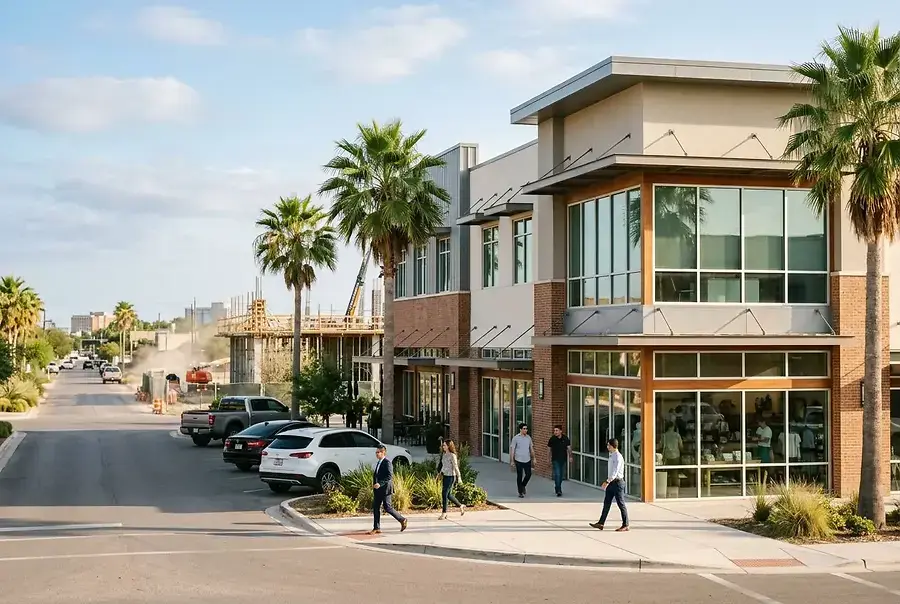
Understanding the Commercial Real Estate Landscape in South Texas Border Towns
South Texas border communities represent a unique and dynamic commercial real estate market. Towns like Bayview, Laguna Vista, Port Isabel, Roma, and South Padre Island offer distinct opportunities for savvy investors looking to diversify their portfolios. The region's strategic location, growing population, and increasing international trade activity create a compelling investment landscape.
These communities have experienced steady economic growth driven by tourism, international commerce, and local business development. Understanding the specific characteristics of each market is essential before making investment decisions. Each town has its own demographic profile, economic drivers, and growth trajectories that directly impact commercial property values and rental potential.
Market Dynamics and Growth Factors
The South Texas border region benefits from several key economic drivers. Tourism remains a significant factor, particularly in South Padre Island and Port Isabel, where seasonal visitors and retirees create demand for hospitality and retail spaces. International trade through border crossings generates commercial activity in Roma and surrounding areas. Additionally, the region's affordable cost of living compared to other Texas markets attracts new businesses and entrepreneurs.
Population trends in these communities show consistent growth, with younger families and retirees relocating to the area. This demographic shift creates opportunities for commercial properties serving diverse needs, from healthcare facilities to retail establishments and service-oriented businesses.
Evaluating Commercial Properties: Location, Zoning, and Market Potential
The Critical Importance of Location
In commercial real estate, location remains paramount. Properties near major highways, tourist attractions, or business districts command premium prices and generate higher rental income. In South Padre Island, beachfront and near-beach properties attract premium tenants and visitors. In Roma, proximity to international border crossings significantly impacts property value and commercial viability.
Evaluate foot traffic patterns, visibility from main roads, and accessibility for customers and employees. Properties with excellent visibility and easy access typically generate higher returns on investment.
Understanding Zoning Regulations
Zoning laws directly determine how a property can be used and its income-generating potential. South Texas border communities have varying zoning classifications that affect commercial development. Before purchasing any property, thoroughly research:
- Current zoning designations and permitted uses
- Zoning change possibilities and the approval process
- Future development plans in the area
- Environmental restrictions or considerations
- Building codes and compliance requirements
Working with local real estate attorneys and zoning specialists ensures you understand all restrictions and opportunities associated with your potential investment.
Assessing Market Potential
Conduct thorough market research to understand demand for commercial spaces in your target community. Analyze:
- Rental rates: Compare current market rents for similar properties
- Occupancy rates: High occupancy indicates strong demand
- Tenant diversity: Multiple tenant types reduce vacancy risk
- Economic indicators: Job growth, business formation rates, and consumer spending
- Competition: Assess existing commercial properties and future development plans
Properties with strong market fundamentals and growth potential offer the best long-term returns.
Financing and Legal Considerations for Commercial Investments
Securing Commercial Financing
Commercial property financing differs significantly from residential mortgages. Most lenders require:
- Substantial down payments, typically 20-30% of the purchase price
- Strong credit scores and personal financial statements
- Detailed business plans and financial projections
- Property appraisals and environmental assessments
- Proof of experience in commercial real estate
Building relationships with commercial lenders familiar with South Texas border markets can streamline the financing process. Consider working with local banks and credit unions that understand regional economic conditions and may offer more flexible terms.
Legal Protections and Due Diligence
Protect your investment through comprehensive legal review. Essential steps include:
- Title searches to confirm clear ownership
- Environmental assessments to identify potential liabilities
- Property inspections by qualified professionals
- Review of existing leases and tenant agreements
- Verification of all permits and licenses
- Assessment of property tax implications
Never skip professional legal review. Hiring experienced commercial real estate attorneys in South Texas ensures compliance with local regulations and protects your investment from unforeseen issues.
Tax Considerations
Commercial property ownership offers significant tax advantages. Investors can deduct mortgage interest, property taxes, insurance, maintenance costs, and depreciation. Understanding these benefits requires consultation with tax professionals familiar with commercial real estate investments in Texas.
Building Long-Term Wealth Through Strategic Commercial Property Ownership
Investment Strategies for South Texas Border Communities
Successful commercial investors employ various strategies tailored to their goals and market conditions:
- Buy and hold: Purchase properties and collect rental income over decades
- Value-add investing: Improve underperforming properties to increase value
- Development opportunities: Identify land for commercial development
- Diversification: Own multiple properties across different communities and sectors
Each strategy carries different risk levels and return potential. Choose approaches aligned with your financial goals, risk tolerance, and available capital.
Managing Your Commercial Properties
Successful property ownership requires active management or hiring professional property managers. Key responsibilities include:
- Tenant screening and lease management
- Maintenance and repairs
- Rent collection and financial tracking
- Compliance with local regulations
- Insurance and liability management
Professional property managers, while adding to expenses, often increase profitability through efficient operations and tenant retention.
Monitoring and Adapting Your Portfolio
The commercial real estate market evolves continuously. Successful investors regularly review their portfolios, monitoring property performance, market conditions, and economic trends. Be prepared to adapt your strategy based on changing circumstances, whether that means refinancing, repositioning properties, or exploring new opportunities.
Commercial real estate investment in South Texas border communities offers substantial wealth-building potential for informed, strategic investors willing to conduct thorough due diligence and commit to long-term ownership.
Getting Started
Begin your commercial real estate journey by educating yourself about local markets, connecting with experienced professionals, and starting with properties that match your expertise and financial capacity. The South Texas border region's growing economy and diverse commercial opportunities make it an attractive destination for real estate investors seeking sustainable, long-term returns.
