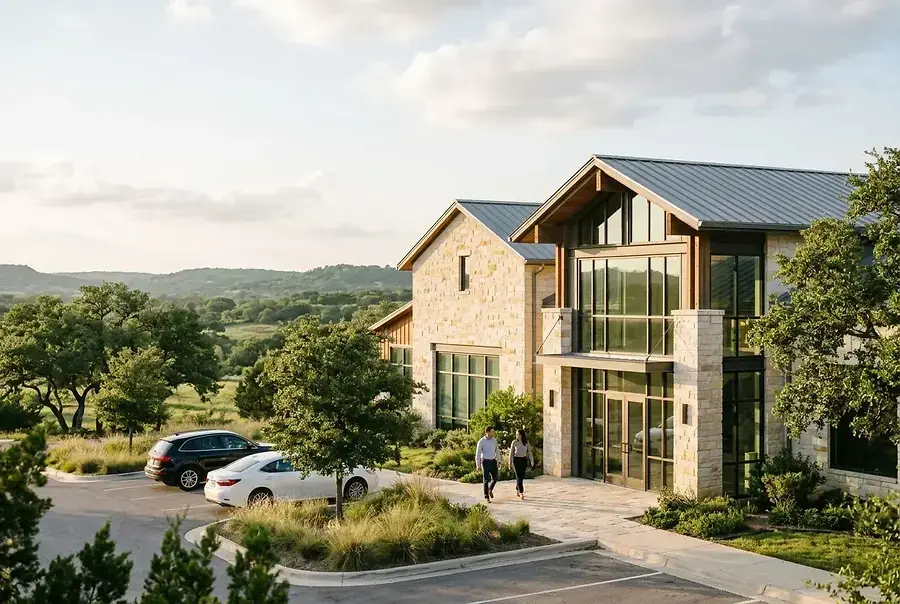
Understanding Texas Hill Country Commercial Leasing Market Dynamics
The Texas Hill Country commercial real estate market presents unique opportunities and challenges for business owners seeking prime locations. This picturesque region, spanning across the Texas countryside, has experienced steady growth in commercial activity as entrepreneurs recognize the value of establishing operations in these vibrant communities.
The market dynamics in the Hill Country differ significantly from urban centers. Supply and demand patterns tend to favor tenants in certain areas while landlords maintain stronger positions in high-demand zones. Understanding these nuances is critical before entering lease negotiations.
Market Trends and Opportunities
Recent market analysis reveals several key trends shaping the commercial leasing landscape:
- Increased demand for flexible workspace solutions and mixed-use properties
- Growing interest from remote-friendly businesses seeking lower operational costs
- Rising property values in established commercial corridors
- Expansion of retail and hospitality sectors driven by tourism
- Development of new commercial centers in emerging areas
These trends create both opportunities and competitive pressures. Businesses that understand current market conditions can leverage this knowledge during lease negotiations to secure more favorable terms.
Key Negotiation Strategies for Securing Favorable Lease Terms
Successful lease negotiations require preparation, strategy, and clear communication. Whether you're a startup or an established business, implementing proven negotiation tactics can significantly impact your bottom line.
Pre-Negotiation Preparation
Research is your foundation. Before meeting with landlords or brokers, gather comprehensive information about comparable properties, recent lease rates, and market conditions in your target areas. This data empowers you to negotiate from a position of knowledge.
- Analyze 5-10 comparable properties in your desired location
- Document average rental rates per square foot
- Review lease terms offered by competing properties
- Identify seasonal market fluctuations
- Understand local zoning and development plans
Essential Negotiation Tactics
Flexibility with purpose is a powerful negotiation tool. While maintaining your core requirements, identify areas where you can be flexible. This might include lease length, move-in dates, or tenant improvement allowances.
Pro Tip: Landlords often prefer longer lease terms because they provide stability and predictable income. If you can commit to a longer lease, you may negotiate lower monthly rates or additional tenant improvements.
Key negotiation strategies include:
- Build rapport with landlords and brokers – Establish genuine relationships that facilitate open dialogue and creative problem-solving
- Present a strong financial profile – Demonstrate your business's stability and creditworthiness to reduce landlord concerns
- Propose creative solutions – Suggest win-win arrangements such as performance-based rent increases or shared maintenance responsibilities
- Negotiate beyond base rent – Address CAM charges, renewal options, expansion rights, and termination clauses
- Request tenant improvement allowances – Secure landlord funding for necessary buildouts and renovations
Understanding Lease Terms and Conditions
Never sign a lease without thoroughly understanding every clause. Critical elements to negotiate include:
- Lease duration and renewal options – Ensure flexibility for your business growth
- Rent escalation clauses – Negotiate predictable increases rather than open-ended terms
- Common Area Maintenance (CAM) charges – Clarify what's included and how costs are calculated
- Maintenance and repair responsibilities – Define landlord and tenant obligations clearly
- Early termination provisions – Protect yourself with reasonable exit strategies
- Expansion and contraction rights – Plan for business growth or downsizing
Location Selection: Which Hill Country Communities Offer the Best Commercial Opportunities
Choosing the right location is as important as negotiating favorable terms. Each Hill Country community offers distinct advantages depending on your business type and target market.
Boerne: The Gateway Community
Boerne serves as an excellent hub for businesses seeking proximity to San Antonio while maintaining Hill Country charm. The community features established commercial corridors with steady foot traffic and strong local support. Retail, professional services, and hospitality businesses thrive here.
Kerrville: The Outdoor Recreation Hub
Kerrville attracts businesses catering to outdoor enthusiasts and tourists. The community's focus on recreation, wellness, and hospitality creates opportunities for adventure tourism, retail, and service-based businesses. Commercial spaces here command premium rates due to high visibility and tourist traffic.
Fredericksburg: The Wine Country Destination
Fredericksburg's reputation as a premier wine destination drives significant commercial activity. Wineries, tasting rooms, restaurants, and specialty retail thrive in this picturesque setting. The seasonal tourism surge creates both opportunities and challenges for commercial tenants.
Emerging Opportunities Beyond Major Towns
Smaller communities throughout the Hill Country offer lower rental rates and less competition. These areas suit businesses seeking affordability and a tight-knit community environment. Consider locations along major highways and near growing residential developments for optimal visibility and accessibility.
Conclusion: Positioning Your Business for Success in Texas Hill Country
Securing the ideal commercial space in Texas Hill Country requires a strategic approach combining market knowledge, negotiation skills, and careful location selection. Success begins with thorough research and preparation.
Remember these key takeaways:
- Understand your local market dynamics before negotiating
- Prepare extensively with comparable data and clear objectives
- Approach negotiations as collaborative problem-solving rather than adversarial encounters
- Evaluate locations based on your specific business needs and target market
- Negotiate comprehensively beyond base rent to optimize your overall lease value
By implementing these strategies, your business can secure a commercial space that supports growth, minimizes costs, and positions you for long-term success in the thriving Texas Hill Country market. The region's continued growth and development ensure that businesses making informed decisions today will reap the benefits for years to come.