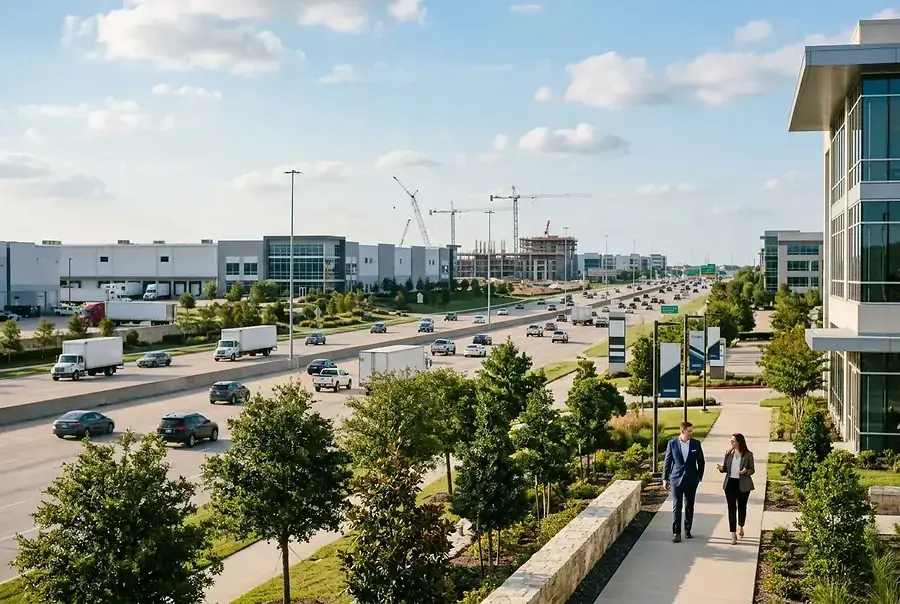
The Rise of Houston's Industrial and Commercial Corridors
Greater Houston's commercial real estate landscape is undergoing a remarkable transformation. The region's strategic location, robust infrastructure, and business-friendly environment have positioned Sugar Land, Stafford, Kingwood, and Montgomery as premier destinations for commercial development. These markets are experiencing unprecedented growth driven by several interconnected factors.
The expansion of major transportation networks, including enhanced highway systems and proximity to major ports, has made these areas increasingly attractive to logistics and distribution companies. Additionally, the influx of corporate relocations and new business formations has created sustained demand for office and retail spaces. Population growth in these suburban markets has outpaced many urban centers, creating a virtuous cycle of business expansion and economic development.
Market Dynamics Reshaping the Region
Sugar Land has emerged as a premier commercial hub, with its master-planned community infrastructure attracting Fortune 500 companies and mid-sized enterprises alike. The area's commitment to mixed-use development has created vibrant business environments that appeal to modern companies seeking operational efficiency and employee satisfaction.
Stafford, meanwhile, has positioned itself as a logistics powerhouse. Its proximity to major distribution networks and competitive real estate costs have made it an ideal location for warehousing and fulfillment operations. Kingwood and Montgomery continue to develop their commercial bases, offering opportunities for investors seeking emerging markets with strong growth trajectories.
Key Commercial Sectors Thriving in Greater Houston
Industrial and Logistics
The industrial sector remains the strongest performer across Greater Houston's commercial markets. E-commerce growth, supply chain diversification, and nearshoring trends have created exceptional demand for warehouse and distribution facilities. Companies are actively seeking modern, well-located industrial properties that offer efficient operations and quick market access.
- Distribution Centers: Large-scale facilities serving regional and national markets
- Fulfillment Operations: E-commerce driven warehousing with advanced automation capabilities
- Manufacturing Support: Light manufacturing and assembly operations supporting local industries
Office and Corporate Spaces
Office development in these markets reflects evolving workplace trends. Companies are increasingly seeking flexible, modern office environments in suburban locations that offer cost advantages over downtown Houston while maintaining professional standards. Class A office buildings with amenities and collaborative spaces are particularly sought after.
Retail and Mixed-Use Development
Retail properties continue to thrive, particularly in mixed-use developments that combine office, residential, and commercial spaces. These integrated communities create vibrant neighborhoods that attract both businesses and consumers, supporting long-term property appreciation.
How to Evaluate Commercial Properties in These Markets
Location and Accessibility
When evaluating commercial properties, location remains paramount. Consider proximity to major highways, public transportation, and business districts. Properties with excellent accessibility command premium valuations and attract quality tenants. Analyze traffic patterns and future infrastructure developments that could enhance property value.
Tenant Demand and Market Fundamentals
Assess the strength of tenant demand in your target sector. Research vacancy rates, rental trends, and tenant profile diversity. Properties with multiple potential tenant types offer greater resilience and appreciation potential. Strong tenant demand indicates healthy market fundamentals and reduces investment risk.
Long-Term Appreciation Potential
Evaluate demographic trends, planned developments, and economic indicators that suggest future growth. Properties in areas experiencing population growth, business expansion, and infrastructure investment typically appreciate more substantially over time. Consider the property's adaptability to changing market conditions and emerging business needs.
Financial Metrics and Due Diligence
- Cap rates and cash flow projections
- Tenant credit quality and lease terms
- Property condition and maintenance requirements
- Environmental assessments and regulatory compliance
- Comparable sales analysis and market positioning
Positioning Your Business for Success
Strategic Timing and Market Entry
Successful commercial real estate investors understand the importance of market timing. While these Greater Houston markets show strong fundamentals, identifying specific entry points requires careful analysis. Monitor market cycles, interest rate trends, and development pipelines to optimize investment timing. Properties in emerging submarkets often offer better value propositions than fully developed areas.
Financing Strategies and Capital Structure
Explore diverse financing options tailored to your investment profile. Traditional bank financing, CMBS loans, and partnership structures each offer distinct advantages. Work with experienced commercial lenders who understand the Greater Houston market and can structure deals that maximize returns while managing risk appropriately.
Partnership Opportunities and Collaboration
Consider partnership structures that leverage complementary expertise and capital. Joint ventures with experienced local operators, property managers, and development companies can accelerate success and reduce execution risk. Strategic partnerships often provide access to off-market deals and superior market intelligence.
Operational Excellence and Tenant Relations
Long-term success depends on operational excellence and strong tenant relationships. Invest in professional property management, maintain properties to high standards, and cultivate positive tenant relationships. These factors directly impact property values, tenant retention, and investment returns.
Future-Proofing Your Investments
Consider how properties can adapt to future business needs. Flexibility in space configuration, technology infrastructure, and sustainability features increasingly influence tenant decisions and property values. Properties designed with adaptability and modern amenities command premium rents and attract quality tenants.
Greater Houston's commercial real estate markets offer compelling opportunities for investors and business owners willing to conduct thorough due diligence and develop strategic approaches to market entry and property management.
Conclusion
Greater Houston's commercial real estate expansion across Sugar Land, Stafford, Kingwood, and Montgomery represents one of the most dynamic investment opportunities in the region. Strong fundamentals, diverse tenant bases, and continued economic growth support sustained appreciation and income generation. Success requires understanding market dynamics, evaluating properties rigorously, and executing strategic investment and operational plans. By positioning yourself with quality properties, strong financing, and professional management, you can capitalize on these exceptional market opportunities and build substantial long-term wealth.