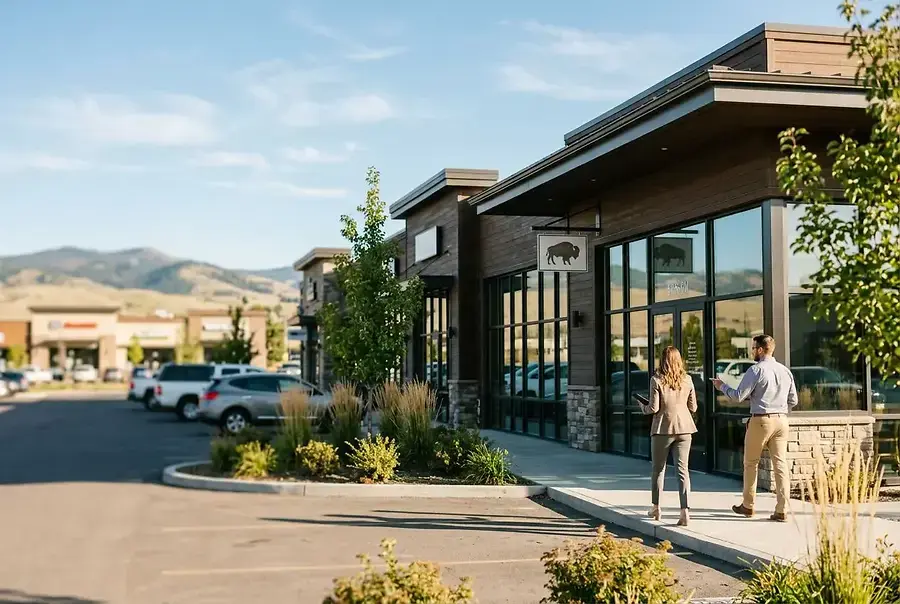
The Commercial Leasing Landscape in Great Falls
Great Falls is experiencing significant growth as a business hub in Montana, attracting entrepreneurs and established companies alike. The commercial real estate market here offers diverse opportunities, from retail spaces in bustling downtown areas to industrial properties on the outskirts of the city. Understanding this landscape is crucial for business owners looking to secure the right space at the right price.
The market has become increasingly competitive, with more businesses recognizing the advantages of establishing operations in Great Falls. Whether you're a startup looking for your first office or an established company seeking to expand, knowing how to navigate the leasing process can save you time, money, and stress.
Key Factors to Consider When Evaluating Commercial Properties
Location and Accessibility
Location remains one of the most critical factors in commercial real estate success. Consider your target customers and employees when evaluating a property's location. Is it easily accessible by major roads? Does it have adequate parking? Is public transportation available? A prime location can significantly impact your business's visibility and customer traffic.
Think about the surrounding businesses and community demographics. Being near complementary businesses can create synergies, while proximity to your customer base ensures convenience and accessibility.
Space Requirements and Layout
Carefully assess your current and future space needs. Don't just focus on square footage—evaluate the layout and how it aligns with your operations. Consider:
- Ceiling height for inventory storage or equipment
- Natural lighting and window placement
- Flexibility for future modifications or expansion
- Separate areas for different departments or functions
- Loading dock or delivery access if needed
A space that seems perfect initially might prove inefficient once you move in. Take time to visualize your operations within the space and identify any potential challenges.
Condition and Maintenance
Thoroughly inspect the property's condition before committing. Look for signs of structural issues, water damage, outdated systems, or necessary repairs. Understanding what condition the property is in helps you anticipate future maintenance costs and negotiate lease terms accordingly.
Ask the landlord about:
- Recent renovations or upgrades
- HVAC system age and maintenance schedule
- Roof condition and remaining lifespan
- Plumbing and electrical system status
- Any ongoing or pending maintenance issues
Cost Analysis
Beyond the base rent, understand all costs associated with the lease. Commercial leases often include additional expenses such as common area maintenance (CAM) fees, property taxes, insurance, and utilities. Request a detailed breakdown of all costs to accurately budget for your space.
Pro tip: Compare the total cost per square foot across different properties, not just the base rent, to make an accurate comparison.
Negotiating Terms and Understanding Lease Agreements
Lease Duration and Renewal Options
Lease terms typically range from one to ten years. Shorter leases offer flexibility, while longer leases provide stability and potentially lower rates. Consider your business's growth trajectory and market conditions when deciding on lease length.
Negotiate renewal options that give you the right to extend at predetermined rates. This protects you from sudden rent increases and provides continuity for your business operations.
Rent Escalation Clauses
Most commercial leases include rent increases over time. Common escalation structures include:
- Fixed percentage increases (e.g., 3% annually)
- CPI (Consumer Price Index) adjustments
- Market-rate adjustments at renewal
- Step increases with predetermined amounts
Understand how your rent will increase throughout the lease term. Negotiate for reasonable escalation rates that align with your business projections and industry standards.
Tenant Improvement Allowances
Many landlords offer tenant improvement (TI) allowances to help offset renovation costs. This is especially valuable if the space requires modifications to suit your business needs. Negotiate for adequate TI allowances and clarify who controls the design and contractor selection process.
Essential Lease Provisions
Ensure your lease includes these important protections:
- Maintenance responsibilities: Clarify what the landlord maintains versus tenant responsibilities
- Insurance requirements: Understand required coverage and liability limits
- Permitted use clause: Ensure your intended business use is explicitly allowed
- Termination options: Know your exit strategy if business circumstances change
- Dispute resolution: Include mediation or arbitration clauses
- Default provisions: Understand consequences of lease violations
Working with Professionals
Don't underestimate the value of professional guidance. A commercial real estate attorney can review lease terms and protect your interests, while a commercial real estate broker can help you find suitable properties and negotiate favorable terms.
These professionals understand local market conditions and can identify potential issues you might overlook. Their expertise often pays for itself through better negotiated terms and avoided costly mistakes.
Making Your Commercial Leasing Decision with Confidence
Securing the right commercial space is a significant decision that impacts your business's success. By thoroughly evaluating properties, understanding all associated costs, and carefully negotiating lease terms, you position your business for growth and stability.
Take your time with the decision-making process. Don't rush into a lease agreement just because a space seems available. The right property will align with your business needs, budget, and growth plans.
Great Falls offers excellent opportunities for businesses of all sizes. With careful planning and informed decision-making, you'll find a commercial space that supports your business goals and contributes to your long-term success in Montana's dynamic market.