Understanding Springfield's Retail Market Dynamics
Springfield's retail landscape is experiencing a significant transformation driven by shifting consumer preferences and economic growth. The city has emerged as a regional hub with a diverse population and strong purchasing power, making it an attractive market for retail investors. Understanding these dynamics is essential for anyone looking to capitalize on commercial real estate opportunities in the area.
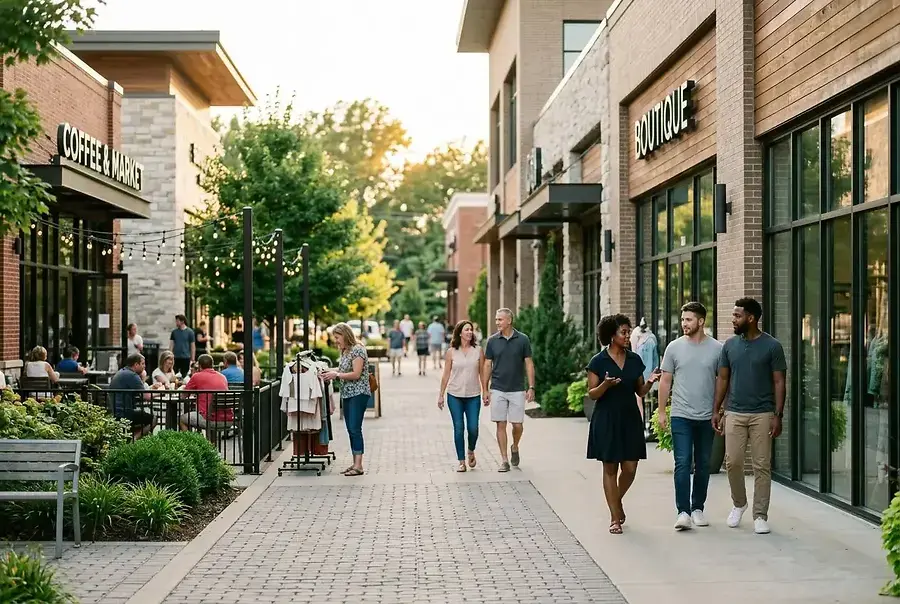
The retail sector in Springfield is characterized by a blend of traditional brick-and-mortar establishments and innovative mixed-use developments. Consumer behavior has evolved dramatically, with shoppers increasingly seeking experiential retail environments that combine shopping with dining, entertainment, and community spaces. This shift has created new opportunities for investors willing to adapt their properties to meet modern expectations.
Market Growth and Economic Indicators
Springfield's economy continues to expand, supported by a growing workforce and increasing household incomes. The city's strategic location and business-friendly environment have attracted new retailers and expanded existing operations. Investors should monitor local economic reports and demographic trends to identify emerging opportunities in high-growth neighborhoods.
Key indicators to track include:
- Population growth rates and migration patterns
- Median household income and consumer spending trends
- New business openings and corporate relocations
- Commercial development projects and infrastructure improvements
Key Factors Affecting Retail Lease Rates and Tenant Demand
Lease rates in Springfield's retail market are influenced by multiple interconnected factors. Understanding these elements will help you price your property competitively while attracting quality tenants who can sustain long-term profitability.
Location and Accessibility
Location remains the cornerstone of retail success. Properties with high visibility, easy access, and proximity to major traffic corridors command premium lease rates. Consider foot traffic patterns, parking availability, and proximity to complementary businesses when evaluating potential investments. Accessibility is not just about physical location—it's about creating an environment where customers want to spend time.
Tenant Mix and Complementary Businesses
The success of a retail property depends significantly on the tenant mix. Investors should strategically recruit tenants that complement each other and create a destination rather than just a collection of stores. A well-curated tenant mix increases foot traffic, extends customer dwell time, and justifies higher lease rates.
Consider these tenant categories:
- Anchor tenants that drive traffic (grocery stores, pharmacies, fitness centers)
- Complementary specialty retailers that enhance the shopping experience
- Food and beverage establishments that encourage longer visits
- Service providers that address customer convenience needs
Property Condition and Amenities
Modern retailers expect well-maintained facilities with contemporary amenities. Properties featuring updated HVAC systems, adequate lighting, flexible floor plans, and outdoor spaces command higher lease rates. Investing in property improvements demonstrates your commitment to tenant success and justifies premium pricing.
Strategic Location Selection for Maximum Tenant Appeal
Selecting the right location is perhaps the most critical decision for retail investors. Springfield offers diverse neighborhoods with varying demographics, traffic patterns, and growth trajectories.
Analyzing Demographic Targets
Different retail concepts thrive in different demographic environments. Before investing, identify your target tenant and research whether Springfield's neighborhoods align with their customer base.
The most successful retail properties are those that match the right tenant with the right location and the right customer base.
Conduct thorough demographic analysis including age distribution, household income, education levels, and consumer spending patterns. This data will help you identify which neighborhoods offer the strongest potential for specific retail concepts.
Traffic Patterns and Visibility
High-traffic locations with excellent visibility are worth premium prices. Evaluate daily traffic counts, turning movements, and sight lines from major roads. Properties positioned at key intersections or along major commercial corridors typically experience stronger tenant demand and higher lease rates.
Growth Corridors and Emerging Neighborhoods
Springfield continues to develop new commercial corridors and revitalize established neighborhoods. Identifying emerging growth areas before they reach peak development can provide significant competitive advantages. Look for signs of infrastructure investment, new residential development, and corporate relocations that signal future growth.
Positioning Your Retail Property for Long-Term Success
Long-term success in retail real estate requires more than just collecting rent. Successful investors actively manage their properties and adapt to changing market conditions.
Creating Experiential Retail Environments
Modern consumers increasingly value experiences over transactions. Properties that offer unique atmospheres, community gathering spaces, and integrated entertainment options attract higher-quality tenants and command premium lease rates. Consider incorporating outdoor seating areas, event spaces, or interactive elements that encourage customer engagement.
Flexibility and Adaptability
The retail landscape continues to evolve rapidly. Properties with flexible floor plans, modular design elements, and adaptable spaces are better positioned to accommodate changing tenant needs. This flexibility becomes increasingly valuable as retailers experiment with new formats and concepts.
Technology Integration
Modern retail properties should incorporate technology infrastructure that supports both tenant operations and customer experiences. This includes reliable high-speed internet, mobile payment systems, digital signage capabilities, and smart building systems. Properties equipped with these amenities attract forward-thinking retailers willing to pay premium rates.
Community Engagement and Sustainability
Building strong community relationships enhances property value and tenant loyalty. Consider hosting community events, supporting local initiatives, and implementing sustainable practices. Properties that demonstrate environmental responsibility and community commitment attract quality tenants and build brand loyalty among customers.
Sustainability features such as energy-efficient lighting, water conservation systems, and eco-friendly landscaping reduce operating costs while appealing to environmentally conscious retailers and consumers.
Regular Property Assessment and Improvement
Successful retail investors conduct regular assessments of their properties and market conditions. Schedule periodic reviews of lease rates, tenant satisfaction, property condition, and market trends. Use this information to plan strategic improvements and stay competitive in Springfield's dynamic retail market.
By understanding market dynamics, carefully selecting locations, and actively managing properties to meet evolving tenant and consumer needs, investors can build profitable, sustainable retail real estate portfolios in Springfield. The key to success lies in remaining adaptable, staying informed about market trends, and consistently delivering value to both tenants and customers.