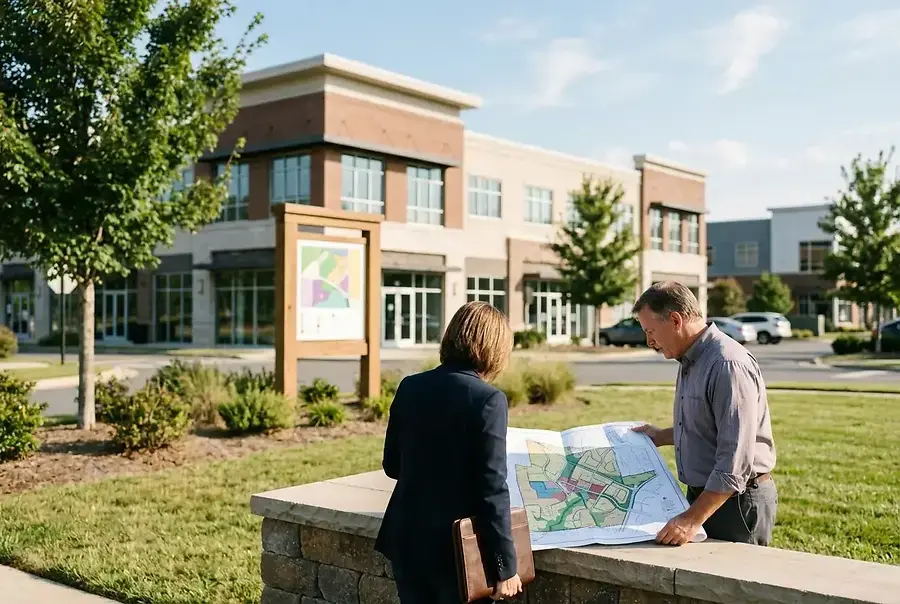
Understanding Cornelius Zoning Districts and Classifications
Cornelius, North Carolina maintains a comprehensive zoning system designed to organize land use and promote sustainable community development. Before launching or expanding your commercial venture, it's essential to understand how the town classifies different zoning districts and what activities are permitted within each category.
The town's zoning ordinance divides commercial properties into several distinct classifications, each with specific regulations governing the types of businesses that can operate in those areas. Common commercial zones include:
- General Commercial (GC) - Designed for retail, office, and service businesses that serve the broader community
- Highway Commercial (HC) - Intended for businesses that benefit from high-visibility locations along major thoroughfares
- Office and Professional (OP) - Restricted to professional services, medical offices, and administrative functions
- Mixed-Use Development (MUD) - Allows a combination of residential and commercial uses in the same development
Each zone comes with specific setback requirements, height restrictions, parking mandates, and signage limitations. Understanding which zone your property falls under is the first critical step in ensuring compliance and avoiding expensive violations or forced modifications to your business operations.
How Zoning Affects Your Commercial Property Value and Use
Impact on Property Value
Zoning classifications directly influence your commercial property's market value and investment potential. Properties in zones that permit a wider range of uses typically command higher prices because they offer greater flexibility for current and future owners. Conversely, properties with restrictive zoning may have limited appeal to potential buyers or tenants, potentially reducing their market value.
When evaluating a commercial property investment in Cornelius, always verify the current zoning designation and understand what uses are permitted, conditionally permitted, or prohibited. A property zoned for office use only may not be suitable for a retail operation, even if the physical structure seems appropriate.
Permitted vs. Conditional Uses
Zoning regulations distinguish between permitted uses and conditional uses. Permitted uses are allowed automatically within a zone, while conditional uses require special approval from the zoning board. For example, a restaurant might be a permitted use in a General Commercial zone but a conditional use in an Office and Professional zone.
Understanding this distinction is crucial because conditional uses require additional time, expense, and uncertainty in the approval process. Before committing to a property, determine whether your intended business is a permitted or conditional use in that zone.
Operational Restrictions
Beyond determining what type of business can operate in a zone, zoning regulations also control how that business operates. These restrictions may include:
- Operating hours and noise limitations
- Parking requirements and lot design standards
- Signage size, type, and placement restrictions
- Outdoor storage and display limitations
- Traffic generation and delivery vehicle regulations
- Environmental and stormwater management requirements
Failing to comply with these operational restrictions can result in fines, cease-and-desist orders, or forced modifications that disrupt your business. Reviewing these requirements before opening your doors ensures smooth operations and protects your investment.
Working with Local Zoning Boards and Obtaining Variances
When You Need a Variance
Sometimes your business needs don't perfectly align with existing zoning regulations. In these situations, you may need to request a variance from the Cornelius Zoning Board of Adjustment. A variance is an official exception to zoning requirements that allows you to use your property in a way that would otherwise violate the ordinance.
Common reasons for variance requests include:
- Operating a business type not permitted in your zone
- Reducing required parking spaces due to physical constraints
- Exceeding height or setback limitations for building expansion
- Increasing signage beyond standard size restrictions
- Modifying lot coverage or impervious surface requirements
The Variance Application Process
Obtaining a variance requires submitting a formal application to the Cornelius Zoning Board of Adjustment. The application must demonstrate that your request meets specific legal criteria, including:
- Unnecessary Hardship - You must prove that strict compliance with zoning regulations creates an undue hardship unique to your property
- No Substantial Detriment - The variance must not substantially harm the public welfare or neighboring properties
- Consistency with Intent - The variance should align with the general purpose and intent of the zoning ordinance
The process typically involves submitting detailed documentation, site plans, and a written statement explaining your hardship. The board will review your application and may schedule a public hearing where you can present your case and respond to community concerns.
Working with Zoning Professionals
Navigating the zoning variance process can be complex and time-consuming. Many business owners benefit from working with zoning consultants, land use attorneys, or planning professionals who understand Cornelius's specific regulations and board preferences. These professionals can help you prepare a compelling application, represent you at hearings, and negotiate with the board to increase your chances of approval.
Additionally, establishing a positive relationship with the town's planning and zoning department can provide valuable guidance. Staff members can clarify regulations, explain the application process, and help you understand whether your project is likely to receive favorable consideration.
Conclusion: Making Informed Commercial Real Estate Decisions
Commercial zoning regulations may seem complex and restrictive, but they serve an important purpose in maintaining community character and protecting property values. Rather than viewing zoning as an obstacle, successful business owners approach it as a framework for making informed decisions about their commercial real estate investments.
Before purchasing commercial property or launching a new business in Cornelius, take time to thoroughly research zoning requirements. Verify that your intended use is permitted, understand all operational restrictions, and budget for potential variance applications if needed. By proactively addressing zoning issues, you'll avoid costly surprises, maintain compliance with local regulations, and position your business for long-term success.
Ready to expand your commercial presence in Cornelius? Start by contacting the town's planning department to discuss your project and understand the zoning landscape. With proper planning and professional guidance, you can navigate these regulations confidently and unlock your commercial property's full potential.