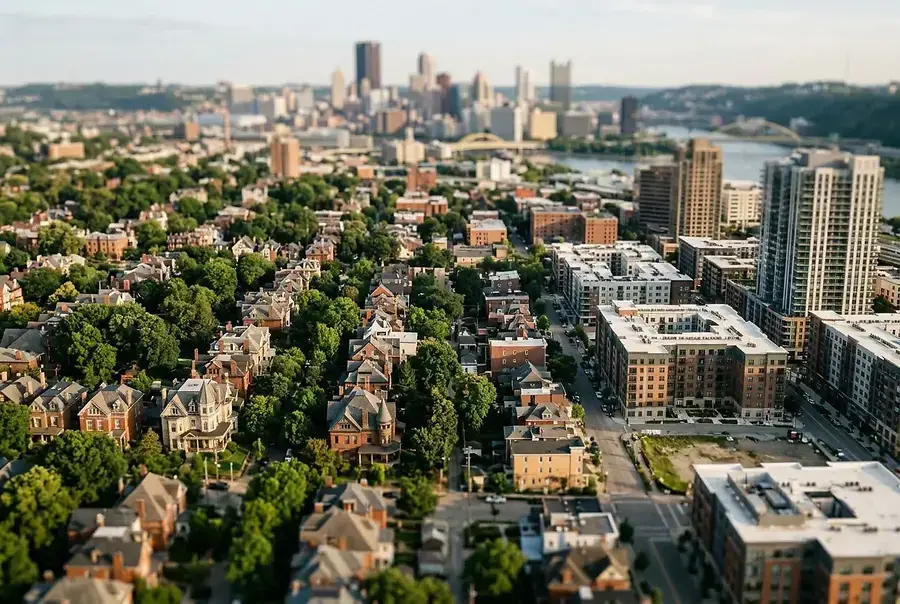
Understanding Pittsburgh's Real Estate Value Landscape
Pittsburgh's real estate market has undergone significant transformation in recent years, establishing itself as one of the most dynamic and accessible markets in the Northeast. The Greater Pittsburgh region encompasses diverse neighborhoods, each with distinct characteristics, amenities, and price points that appeal to different buyer profiles. Whether you're a first-time homebuyer, an investor, or someone looking to relocate, understanding the value landscape across Pittsburgh's top markets is essential for making an informed decision.
The city's resurgence has attracted attention from national real estate analysts and investors alike. With a strong job market driven by healthcare, technology, and education sectors, Pittsburgh offers stability and growth potential that many other markets struggle to match. However, property values vary considerably depending on location, neighborhood amenities, school districts, and proximity to downtown employment centers.
Price Trends and Market Comparisons Across Key Communities
Shadyside and Squirrel Hill
Shadyside remains one of Pittsburgh's most prestigious neighborhoods, commanding premium prices due to its walkable streets, upscale dining, and proximity to cultural institutions. Properties in this area typically range significantly higher than the city average, reflecting the neighborhood's established reputation and desirable demographics. The tree-lined streets and Victorian architecture add to its appeal for affluent buyers seeking urban sophistication.
Squirrel Hill, located just east of downtown, offers a more moderate price point while maintaining excellent schools and community amenities. This neighborhood has experienced steady appreciation, making it attractive to families and professionals seeking value without sacrificing quality of life. The diverse community and strong sense of neighborhood identity contribute to its sustained demand.
Lawrenceville and East Liberty
Lawrenceville has emerged as Pittsburgh's trendiest neighborhood, attracting young professionals and entrepreneurs with its vibrant arts scene, craft breweries, and independent businesses. Property values have appreciated substantially as the neighborhood continues its revitalization. The combination of historic charm and modern amenities makes it increasingly competitive in the market.
East Liberty represents another growth corridor, with significant investment in commercial and residential development. The neighborhood offers a blend of new construction and renovated historic properties, appealing to buyers seeking contemporary living spaces with neighborhood character. Prices here reflect the area's transformation and future growth potential.
Sewickley and Fox Chapel
For those seeking suburban living with premium amenities, Sewickley and Fox Chapel offer upscale properties in established, affluent communities. These neighborhoods feature larger lots, excellent schools, and country club amenities. Property values in these areas represent the highest tier of the Pittsburgh market, reflecting their exclusive status and superior school districts.
Emerging Neighborhoods
Neighborhoods like Garfield, Hazelwood, and Deutschtown are experiencing revitalization efforts and represent emerging opportunities for value-conscious investors. These areas offer lower entry prices while showing strong potential for appreciation as development and community investment continue. Early adopters in these neighborhoods may find excellent long-term investment potential.
Factors Driving Value Differences in Residential and Commercial Properties
School District Quality
School district ratings significantly impact residential property values across Pittsburgh. Neighborhoods served by highly-rated school districts command premium prices, particularly among families with children. The correlation between school performance and property appreciation is well-documented in the Pittsburgh market, making this a primary consideration for many buyers.
Proximity to Employment Centers
Distance to major employment hubs, particularly the Golden Triangle downtown and the healthcare corridor, directly influences property values. Neighborhoods with convenient access to these areas through public transportation or short commutes attract higher demand and command higher prices. The development of transit-oriented communities has further emphasized this factor.
Neighborhood Amenities and Walkability
The presence of restaurants, retail shops, parks, and cultural institutions contributes substantially to neighborhood desirability. Walkable neighborhoods with vibrant street life command premium valuations compared to car-dependent areas. Pittsburgh's investment in public spaces and neighborhood revitalization projects has enhanced property values in targeted communities.
Historic Character and Architecture
Pittsburgh's architectural heritage attracts buyers seeking character and authenticity. Neighborhoods with well-preserved historic homes and buildings often maintain strong values and appeal. However, renovation costs in older properties must be factored into purchase decisions, as deferred maintenance can significantly impact actual value.
Commercial Property Considerations
Commercial real estate values in Pittsburgh reflect the strength of local business sectors. Downtown properties benefit from corporate headquarters and professional services concentration, while neighborhood commercial spaces thrive in areas with strong foot traffic and community support. Mixed-use developments have become increasingly valuable as businesses seek integrated urban environments.
Market Dynamics and Investment Trends
Supply and demand imbalances continue to shape Pittsburgh's market. Limited inventory in popular neighborhoods maintains upward pressure on prices, while emerging areas with new development may offer better value propositions. Understanding these dynamics helps investors identify opportunities before markets fully appreciate.
Interest rates and financing availability significantly impact buyer purchasing power and market activity. Changes in lending conditions can shift demand between price tiers and neighborhoods, creating opportunities for strategic investors.
Making an Informed Decision Based on Market Data
When evaluating Pittsburgh real estate opportunities, consider your personal priorities alongside market data. Are you seeking:
- Long-term appreciation? Established neighborhoods with strong fundamentals offer stability, while emerging areas provide growth potential.
- Rental income potential? Neighborhoods with strong tenant demand and job growth support positive cash flow.
- Lifestyle factors? Walkability, amenities, and community character may justify premium pricing for your specific needs.
- School quality? Top-rated districts command premiums but provide long-term value for families.
Pittsburgh's diverse real estate market accommodates various investment strategies and lifestyle preferences. The key to success lies in understanding how different factors influence values in specific neighborhoods and aligning your purchase decision with your financial goals and personal priorities.
The Pittsburgh real estate market continues to evolve, offering opportunities across multiple price points and neighborhood types. By analyzing market trends, understanding value drivers, and considering your specific needs, you can make confident decisions that align with your investment objectives and lifestyle aspirations.