Understanding the Purpose and Scope of Home Inspections
A home inspection is one of the most critical steps in the residential buying process. It provides an objective assessment of a property's condition, helping you understand what you're truly investing in. Professional home inspectors examine hundreds of components, from visible structures to hidden systems, creating a detailed report that informs your purchasing decision.
The primary purpose of a home inspection is to identify existing problems, potential safety hazards, and maintenance issues that may require immediate or future attention. This knowledge allows you to negotiate repairs, request credits, or walk away from a problematic property before closing. Understanding the scope of inspections helps you prepare for what to expect and what questions to ask your inspector.
What Gets Inspected and Why It Matters
Home inspectors evaluate both visible and accessible components of a property. They assess structural integrity, mechanical systems, electrical systems, plumbing, roofing, insulation, and more. Each element matters because problems in any of these areas can lead to expensive repairs, safety concerns, or decreased property value. A comprehensive inspection protects your financial investment and ensures you're making an informed decision.
Critical Areas Inspectors Evaluate: Foundation, Systems, and Structural Integrity
Foundation and Structural Components
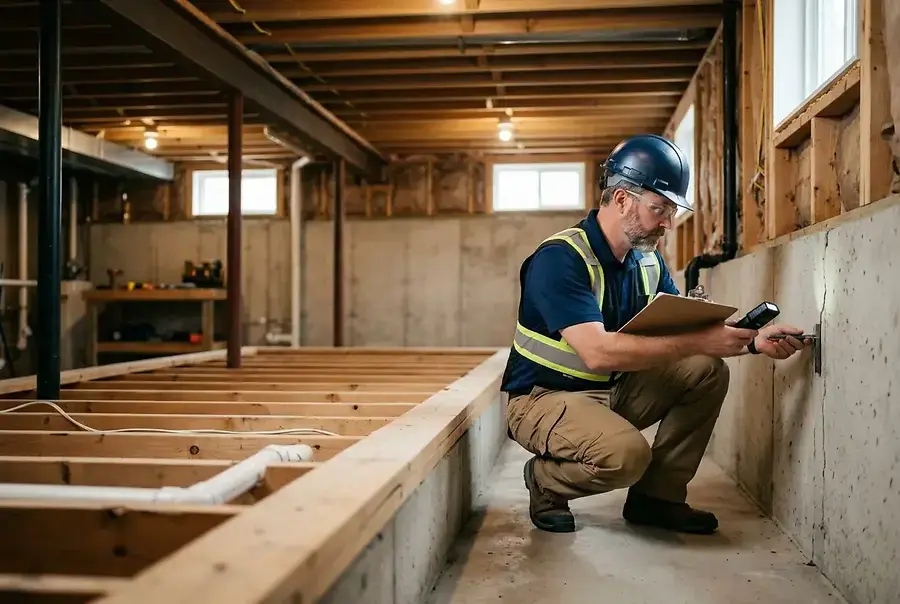
The foundation is literally the backbone of your home. Inspectors examine the foundation for cracks, settling, water damage, and signs of structural movement. They evaluate basement walls, crawl spaces, and support beams for deterioration or instability. A compromised foundation can be one of the most expensive problems to repair, making this assessment crucial to your decision-making process.
Structural integrity extends beyond the foundation to include:
- Roof framing and support systems
- Load-bearing walls and columns
- Floor joists and subflooring
- Exterior walls and siding condition
Mechanical and Electrical Systems
Your home's mechanical systems keep it comfortable and functional. Inspectors test heating and cooling systems, evaluate furnace and air conditioning efficiency, and check for proper ventilation. They examine electrical panels, wiring, outlets, and safety features like ground fault circuit interrupters (GFCIs).
Electrical issues pose serious safety risks, so inspectors pay special attention to outdated wiring, improper installations, and code violations. A faulty electrical system can lead to fires or electrocution hazards, making this evaluation non-negotiable.
Plumbing and Water Systems
Inspectors evaluate water supply lines, drainage systems, and fixtures throughout the property. They check for leaks, corrosion, proper water pressure, and adequate drainage. Water damage is one of the most common and costly problems in residential properties, so inspectors look for signs of past or present moisture issues in walls, ceilings, and basements.
Key plumbing elements assessed include:
- Water heater age and condition
- Pipe materials and connections
- Septic systems or sewer connections
- Bathroom and kitchen fixtures
- Grading and drainage around the foundation
Roofing and Exterior Protection
Your roof protects everything beneath it, making its condition critical. Inspectors evaluate roof age, material condition, flashing, gutters, and downspouts. They look for missing shingles, deterioration, and signs of leaks. A roof replacement can cost thousands of dollars, so understanding its remaining lifespan is essential for budgeting.
Red Flags to Watch For and When to Negotiate Repairs
Major Red Flags That Require Attention
Certain findings should immediately raise concerns and prompt negotiation or further investigation:
- Foundation cracks or settling – Indicates structural problems requiring professional evaluation
- Roof age over 20 years – Suggests imminent replacement needs
- Outdated electrical systems – Pose fire and safety hazards
- Plumbing leaks or water damage – Can lead to mold and structural deterioration
- HVAC system failures – Expensive to replace and essential for comfort
- Mold or moisture intrusion – Health hazards requiring remediation
- Asbestos or lead paint – Health risks requiring professional removal
When and How to Negotiate
After receiving the inspection report, you have several options. You can request that the seller make repairs before closing, ask for a credit to cover repair costs, or negotiate a price reduction. The key is understanding which issues are deal-breakers and which are manageable.
For minor issues like loose gutters or caulking, you might handle repairs yourself after purchase. For major structural, electrical, or plumbing problems, request that the seller address them or provide substantial credits. Never ignore red flags hoping they'll resolve themselves—they typically worsen over time and become more expensive.
When to Walk Away
Some inspection findings warrant walking away from the deal entirely. If the property has extensive foundation damage, severe mold contamination, or multiple major system failures, the cost of repairs may exceed the property's value. Trust your inspector's professional judgment and don't let emotions override practical financial considerations.
Using Inspection Results to Make Confident Purchasing Decisions
Interpreting the Inspection Report
A thorough inspection report details every finding, categorizing issues by severity. Take time to understand the report completely—ask your inspector to explain technical terms and clarify which issues require immediate attention versus those that are cosmetic or can wait.
Request a walk-through with your inspector to see problems firsthand. Visual confirmation helps you understand the severity and make informed decisions about negotiation or repairs.
Getting a Second Opinion
For major findings, consider hiring a specialist. If the inspector identifies roof problems, hire a roofing contractor. For electrical concerns, consult a licensed electrician. Specialist evaluations provide detailed cost estimates and help you understand repair complexity and urgency.
Making Your Final Decision
Use inspection results alongside other factors—market conditions, comparable properties, your budget, and long-term plans for the home. A property with minor issues might still be an excellent investment if the price reflects those problems. Conversely, a seemingly perfect home at an inflated price might not offer good value.
Remember: A home inspection is your opportunity to make an informed decision based on facts, not emotions. Use this information strategically to protect your investment and ensure you're buying a property that meets your needs and budget.
By understanding what inspectors evaluate and how to interpret their findings, you'll approach your home purchase with confidence and clarity. Don't skip the inspection or ignore its results—this single step can save you thousands of dollars and prevent costly surprises after closing.