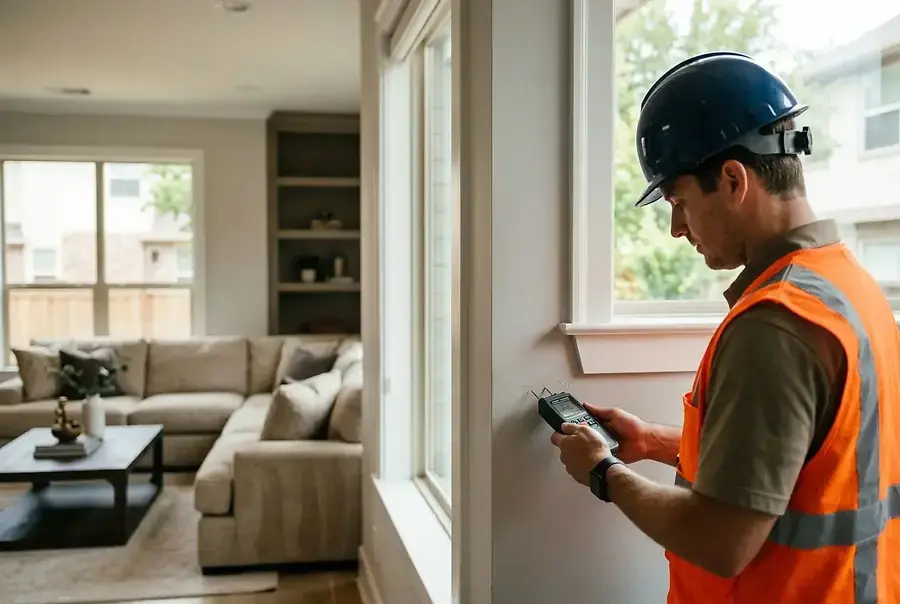
Understanding the Dallas Home Inspection Process
A home inspection is one of the most critical steps in the homebuying process, especially in the Dallas real estate market. This comprehensive evaluation involves a licensed professional thoroughly examining the property's structural integrity, systems, and overall condition. The inspection typically takes two to four hours, depending on the home's size and complexity.
During a standard Dallas home inspection, the inspector will evaluate:
- Foundation and structural components – checking for cracks, settling, or water damage
- Roof condition – assessing shingles, flashing, and overall integrity
- HVAC systems – testing heating, cooling, and ventilation functionality
- Plumbing systems – checking for leaks, water pressure, and drainage issues
- Electrical systems – verifying safety and code compliance
- Interior and exterior elements – examining walls, windows, doors, and siding
As a Dallas buyer, you have the right to be present during the inspection. Many experienced buyers use this time to ask questions and learn more about their potential investment. The inspector will provide a detailed written report within 24-48 hours, documenting all findings and recommendations.
Common Issues Found in Dallas Residential Properties
Water Damage and Foundation Problems
Dallas's climate and soil composition make water damage and foundation issues particularly common. Heavy rains can lead to basement flooding, while the region's expansive clay soil can cause foundation settling. Inspectors pay special attention to these concerns, as they can be expensive to repair.
HVAC System Concerns
Given Dallas's hot summers, air conditioning systems work overtime. Inspectors frequently find aging or inadequately maintained AC units that may need replacement soon. A well-functioning HVAC system is essential for comfort and energy efficiency in this climate.
Roof Age and Condition
Many Dallas homes have roofs nearing the end of their lifespan. Most asphalt shingle roofs last 15-20 years, and inspectors will assess whether replacement is imminent. This is crucial information for budgeting your post-purchase maintenance.
Plumbing Issues
Older Dallas properties often have outdated plumbing systems. Inspectors look for corroded pipes, slow drains, and water pressure problems. These issues can range from minor inconveniences to significant expenses.
Electrical System Deficiencies
Outdated electrical panels, insufficient outlets, and code violations are common findings. Modern homes require adequate electrical capacity for contemporary appliances and devices, so this is an important safety consideration.
Red Flags to Watch for During Your Inspection
Structural Damage
Major structural issues are serious red flags. Look for significant cracks in the foundation, bowing walls, or uneven floors. These problems can compromise the home's safety and value. If your inspector identifies structural damage, consider hiring a structural engineer for a second opinion before proceeding.
Mold and Water Intrusion
Visible mold, water stains, or musty odors indicate moisture problems. These issues can affect your health and require expensive remediation. Don't overlook even small signs of water damage, as they often indicate larger underlying problems.
Pest Infestations
Evidence of termites, rodents, or other pests should raise concerns. Termite damage, in particular, can be extensive and costly to treat. Request a separate pest inspection if the home inspector identifies any signs of infestation.
Outdated or Unsafe Systems
Knob-and-tube wiring, asbestos insulation, or non-functional safety systems are serious concerns. These outdated elements may require professional removal or replacement, which can be expensive. Safety should always be your top priority.
Deferred Maintenance
While not always a deal-breaker, extensive deferred maintenance suggests the seller hasn't properly cared for the property. This can indicate hidden problems and future repair costs. Pay attention to the overall condition and maintenance history.
Next Steps: Using Inspection Results to Negotiate Better Terms
Review the Report Carefully
Take time to thoroughly review the inspection report. Understand the difference between minor issues and major concerns. The inspector should clearly categorize findings by severity, helping you prioritize what matters most.
Request Repairs or Credits
Armed with inspection findings, you can negotiate with the seller. You have several options:
- Request repairs – Ask the seller to fix significant issues before closing
- Negotiate a credit – Receive a monetary credit to handle repairs yourself
- Request a price reduction – Lower the purchase price to account for necessary repairs
- Walk away – If issues are too severe, you may have grounds to terminate the contract
Get Additional Inspections
For specific concerns identified in the general inspection, consider specialized inspections. A roof inspection, pest inspection, or radon test can provide detailed information about particular systems or hazards. These targeted evaluations help you make informed decisions.
Plan Your Budget
Use the inspection report to plan post-purchase maintenance and repairs. Even if the seller addresses major issues, budget for routine maintenance and eventual system replacements. Understanding the home's condition helps you plan financially for homeownership.
Work with Your Real Estate Agent
Your real estate agent is your advocate in negotiations. They understand local market conditions and can advise on reasonable repair requests. A skilled agent will help you leverage inspection findings to achieve the best possible outcome.
Home inspections are an investment in your peace of mind and financial security. By understanding what inspectors look for and how to interpret their findings, you'll be better equipped to make a confident decision about your Dallas property purchase. Don't rush this process—a thorough inspection can save you thousands of dollars and prevent future headaches.
