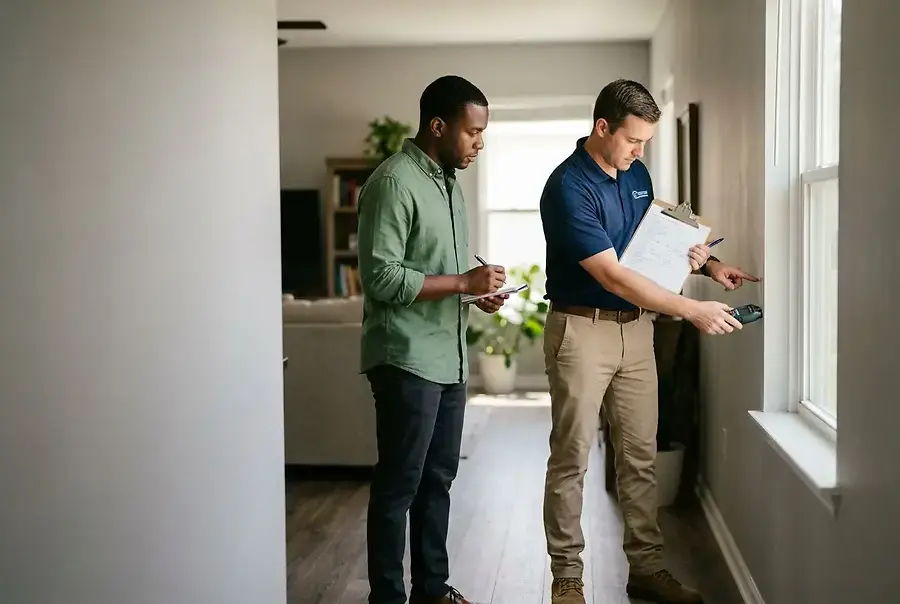
Why Home Inspections Matter in Jacksonville's Real Estate Market
Purchasing a home is one of the most significant financial decisions you'll make in your lifetime. In Jacksonville's competitive real estate market, a professional home inspection is your best defense against costly surprises and hidden defects. A thorough inspection provides an objective assessment of a property's condition, helping you make informed decisions and avoid purchasing a property with serious structural or mechanical issues.
Jacksonville's unique climate and geography present specific challenges for homeowners. The region's humidity, salt air proximity, and occasional flooding concerns make inspections particularly crucial. Many properties in Jacksonville are older, with aging systems that require careful evaluation. An experienced home inspector understands these local factors and can identify issues that might not be apparent to the untrained eye.
Without a professional inspection, you could inherit expensive problems such as foundation damage, roof deterioration, electrical hazards, or plumbing failures. The cost of a home inspection—typically between $300 and $500—is a small investment compared to the potential expenses of addressing major issues after purchase.
What to Expect During a Professional Home Inspection
The Inspection Timeline and Process
A typical home inspection in Jacksonville takes between two to four hours, depending on the property's size and age. The inspector will systematically examine both the interior and exterior of the home, documenting their findings with photographs and detailed notes.
Key Areas Inspected
Professional inspectors evaluate the following critical components:
- Structural Systems: Foundation, walls, roof, and overall structural integrity
- Roofing: Shingles, flashing, gutters, and drainage systems
- Exterior: Siding, windows, doors, and weatherproofing
- Plumbing: Water supply lines, drainage systems, fixtures, and water heater
- Electrical: Panel, wiring, outlets, and safety systems
- HVAC: Heating, cooling, and ventilation systems
- Interior: Walls, ceilings, floors, and built-in appliances
- Pest and Moisture: Signs of termites, mold, or water damage
Your Role During the Inspection
As the homebuyer, you have the right to be present during the inspection. This is highly recommended as it allows you to ask questions, understand the inspector's concerns, and learn about the property's systems. Take notes, ask for clarification on any issues, and request the inspector explain maintenance requirements for various systems.
Red Flags and Common Issues Found in Jacksonville Properties
Moisture and Water Damage
Jacksonville's humid climate and proximity to water make moisture issues a common concern. Inspectors look for signs of water intrusion, including staining, soft wood, mold growth, and efflorescence on basement walls. These issues can lead to serious structural damage and health concerns if left unaddressed.
Roof Problems
Florida's intense sun and occasional storms take a toll on roofing materials. Inspectors examine for missing shingles, deteriorated flashing, sagging areas, and signs of previous repairs. A roof nearing the end of its lifespan is a significant expense that should factor into your offer.
Foundation Issues
While catastrophic foundation failure is rare, minor settling and cracks are common in Jacksonville properties. Inspectors assess the severity of any cracks and look for signs of active movement. Horizontal cracks or cracks wider than 1/4 inch warrant professional evaluation by a structural engineer.
Electrical and Plumbing Systems
Older homes may have outdated electrical panels, aluminum wiring, or insufficient grounding. Plumbing issues include corroded pipes, inadequate water pressure, and outdated fixtures. These systems are critical for safety and functionality.
HVAC System Age and Condition
Air conditioning systems are essential in Jacksonville. Inspectors evaluate the age, maintenance history, and operational efficiency of HVAC systems. Units over 10-15 years old may require replacement soon, representing a substantial future expense.
Pest Infestations
Termites and other pests are prevalent in Florida. While a home inspection isn't a pest inspection, inspectors note visible signs of infestation. You may want to hire a specialized pest inspector for a more thorough evaluation.
How to Use Inspection Results to Negotiate Better Offers and Protect Your Purchase
Understanding the Inspection Report
After the inspection, you'll receive a detailed report categorizing issues by severity. Items are typically classified as critical (safety hazards requiring immediate attention), major (significant defects affecting value or function), or minor (cosmetic or maintenance issues).
Negotiation Strategies
Use inspection findings strategically in negotiations:
- Request Repairs: Ask the seller to fix critical and major issues before closing
- Price Reduction: Negotiate a lower purchase price to account for repair costs
- Escrow Holdback: Request funds be held in escrow to cover repairs after closing
- Seller Disclosure: Ensure the seller has disclosed all known issues
Prioritizing Issues
Not every finding requires negotiation. Focus on issues that affect safety, structural integrity, or major systems. Minor cosmetic issues or routine maintenance items are typically the buyer's responsibility.
Prioritize your negotiation efforts on items that pose health risks or require expensive repairs.
Getting Professional Opinions
For significant issues, consider hiring specialists such as structural engineers, roofers, or plumbers to provide detailed assessments and repair estimates. These expert opinions strengthen your negotiating position and provide clarity on actual repair costs.
Protecting Your Purchase
Make your offer contingent on a satisfactory home inspection. This contingency allows you to renegotiate or withdraw from the purchase if serious issues are discovered. Never waive your inspection contingency to make your offer more competitive—the protection it provides is invaluable.
After closing, maintain detailed records of all inspections and repairs. Schedule regular maintenance for major systems and address minor issues promptly to prevent them from becoming major problems. A well-maintained home protects your investment and ensures years of comfortable living in Jacksonville.
