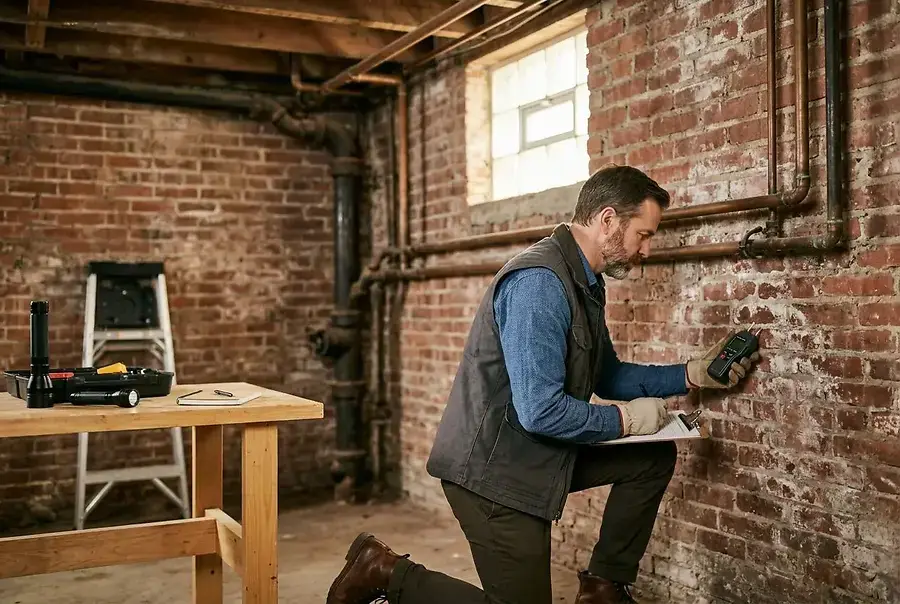
Understanding the Home Inspection Process in New York
A home inspection is one of the most critical steps in the residential buying process, especially in New York where properties range from historic brownstones to modern condominiums. This comprehensive evaluation typically lasts 2-4 hours and involves a licensed inspector examining the property's structural integrity, mechanical systems, and overall condition.
In New York, home inspections are not legally required, but they are highly recommended for all buyers. The inspection contingency period usually allows 7-10 days for the buyer to conduct the inspection and negotiate repairs or credits based on findings. Understanding what happens during this process empowers you to make informed decisions about your investment.
What to Expect During the Inspection
A professional home inspector will evaluate:
- Structural components and foundation integrity
- Roofing and exterior conditions
- Plumbing and water systems
- Electrical systems and safety
- HVAC and heating systems
- Interior walls, ceilings, and floors
- Windows, doors, and weatherproofing
As a buyer, you have the right to accompany the inspector throughout the process. This allows you to ask questions, understand issues firsthand, and gather valuable information about your potential home.
Critical Areas Inspectors Examine in Older NYC Properties
New York's housing stock includes many properties built before modern building codes were established. Older homes present unique challenges that require special attention during inspections.
Foundation and Structural Issues
Older NYC buildings often rest on stone or brick foundations that may have settled over decades. Inspectors look for cracks, water intrusion, and structural movement. Basement moisture is particularly common in older properties and can indicate serious foundation problems or inadequate waterproofing.
Lead Paint and Hazardous Materials
Properties built before 1978 likely contain lead paint, which poses health risks, especially to children. Federal law requires sellers to disclose known lead hazards. Inspectors will note the presence of lead paint, and you may want to hire a specialized lead inspector for a detailed assessment.
Outdated Electrical Systems
Many older NYC homes still have knob-and-tube wiring or outdated fuse boxes instead of modern circuit breakers. These systems may not safely handle modern electrical demands and could pose fire hazards. Upgrading electrical systems can be expensive, so this is a critical negotiation point.
Plumbing and Water Quality
Aging pipes made of galvanized steel or cast iron can corrode, affecting water quality and pressure. Some older buildings still have lead service lines connecting to the city water supply. Water testing and pipe inspection are essential for properties over 50 years old.
Roof and Exterior Conditions
Roof age is crucial in New York's climate with heavy snow and temperature fluctuations. Inspectors assess remaining roof life, which typically ranges from 15-25 years depending on materials. Exterior brick, mortar joints, and caulking also require evaluation, as deterioration can lead to water damage and structural problems.
Red Flags and How to Negotiate After Inspection Results
Once you receive the inspection report, you'll have a clear picture of the property's condition. Understanding which issues are deal-breakers versus negotiable items is essential.
Major Red Flags
Certain findings warrant serious consideration:
- Foundation damage or active water intrusion – Repair costs can exceed $50,000
- Roof requiring immediate replacement – Major expense in NYC properties
- Outdated electrical systems – Safety hazard and costly upgrade
- Mold or severe moisture issues – Health concerns and structural damage
- HVAC system failure – Essential in New York winters
Negotiation Strategies
After receiving inspection results, you have several options:
- Request repairs: Ask the seller to fix critical issues before closing
- Request credits: Receive a monetary credit to handle repairs yourself
- Request price reduction: Negotiate a lower purchase price reflecting needed repairs
- Walk away: Use inspection contingency to exit the contract without penalty
In New York's competitive market, sellers often resist major repair requests. Be strategic – prioritize critical safety and structural issues over cosmetic concerns. Get contractor quotes for major repairs to support your negotiation position with concrete numbers.
Working with Your Real Estate Agent
Your real estate agent should help you understand market conditions and what's negotiable. In a seller's market, expect less flexibility. In a buyer's market, sellers are more motivated to address inspection issues to keep the deal alive.
Pro Tip: Always hire a licensed, insured home inspector with experience in New York properties. The $400-600 inspection fee is minimal compared to the protection it provides against costly surprises.
Conclusion: Making Informed Decisions with Inspection Data
A thorough home inspection is your best defense against purchasing a property with hidden problems. In New York's diverse real estate market, understanding what inspectors look for—especially in older properties—helps you evaluate whether a home is worth the asking price.
Don't view inspection results as obstacles; instead, see them as valuable information that empowers your negotiation and decision-making. Whether you're buying a historic brownstone in Brooklyn, a pre-war apartment on the Upper West Side, or a newer property in Queens, a professional inspection reveals the true condition of your investment.
Take time to review the inspection report carefully, ask your inspector questions, and consult with your real estate agent before making final decisions. With this knowledge, you'll close on your New York home with confidence, knowing exactly what you're purchasing and what investments may be needed in the future.