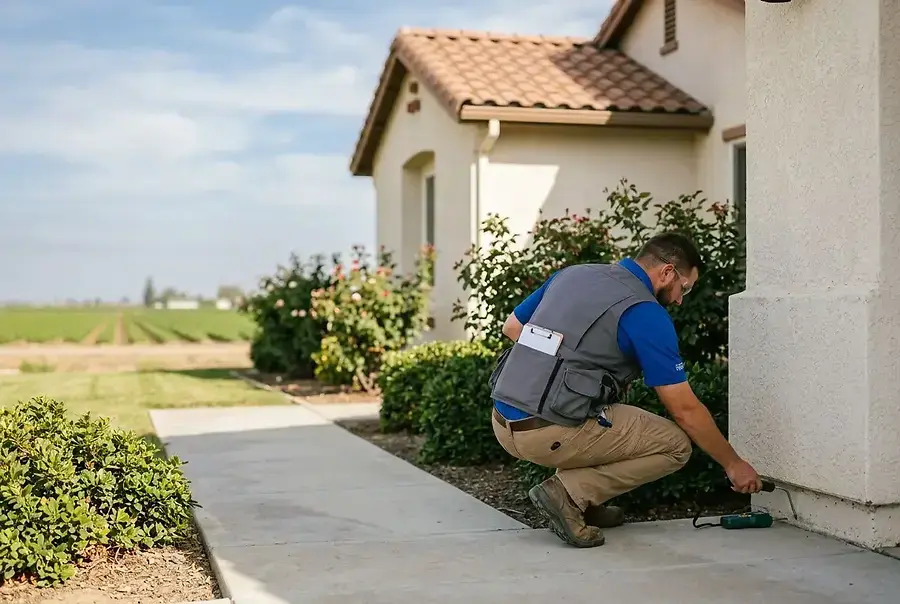
Why Home Inspections Matter in Central Valley Markets
Purchasing a home is one of the most significant financial decisions you'll make in your lifetime. In Central Valley communities, where the real estate market is dynamic and diverse, a thorough home inspection is not just recommended—it's essential. A professional home inspection provides you with an independent, objective assessment of your property's condition before you commit to the purchase.
Home inspections serve multiple critical purposes. They identify potential safety hazards, reveal structural issues that may require costly repairs, and give you valuable information to negotiate better terms with sellers. In the Central Valley, where properties range from historic homes to newer developments, understanding what lies beneath the surface can save you thousands of dollars and countless headaches down the road.
The inspection process typically takes two to three hours and covers all major systems and components of the home, including the roof, foundation, electrical systems, plumbing, HVAC, and more. Armed with this knowledge, you can make informed decisions about whether to proceed with the purchase, request repairs, or renegotiate the price.
Common Issues Found in Central Valley Residential Properties
Foundation and Structural Concerns
Central Valley properties often experience foundation issues due to the region's soil composition and climate patterns. Settling, cracking, and shifting foundations are relatively common in older homes. Inspectors look for signs of movement, water damage, and structural integrity problems that could indicate more serious underlying issues.
Water Damage and Moisture Problems
Despite the Central Valley's semi-arid climate, water damage remains a significant concern. Issues include:
- Roof leaks and damaged shingles
- Poor drainage around the foundation
- Plumbing leaks in walls and under floors
- Inadequate grading that directs water toward the home
These problems can lead to mold growth, wood rot, and expensive structural damage if left unaddressed.
Aging HVAC and Electrical Systems
Many Central Valley homes, particularly those built several decades ago, have outdated heating and cooling systems. Aging air conditioning units may struggle with the region's hot summers, while older electrical systems might not meet current safety standards or handle modern power demands. Inspectors assess whether these systems are functional and safe or require replacement.
Pest and Termite Damage
The Central Valley's warm climate creates ideal conditions for pests, particularly termites. A thorough inspection will identify signs of infestation, wood damage, and pest entry points. This is especially important in older properties where termite damage may have gone undetected for years.
Roof Condition and Age
The intense sun and occasional severe weather in the Central Valley take a toll on roofs. Inspectors evaluate shingle condition, flashing integrity, and overall roof age. A roof nearing the end of its lifespan is a significant expense to factor into your purchase decision.
Choosing the Right Inspector for Your Home Purchase
Qualifications and Certifications
When selecting a home inspector, verify their credentials. Look for inspectors who are:
- Licensed by the state (if required in your area)
- Certified by recognized organizations like the American Society of Home Inspectors (ASHI)
- Insured and bonded
- Experienced with Central Valley properties specifically
Experience and Local Knowledge
Choose an inspector with extensive experience in Central Valley communities. Local inspectors understand the region's unique challenges, common issues, and building practices. They can provide valuable context about problems specific to your area and help you understand what repairs are truly urgent versus cosmetic.
Inspection Scope and Reporting
Ensure the inspector provides a comprehensive inspection that covers all major systems. Ask about their reporting process—detailed written reports with photos are standard.
A good inspector will explain their findings clearly and answer your questions thoroughly, helping you understand what issues mean for your home's future.
Cost Considerations
Home inspection costs in the Central Valley typically range from $300 to $500, depending on the property size and complexity. While it's tempting to choose the cheapest option, remember that this is an investment in your peace of mind. A thorough inspection by a qualified professional is worth the cost.
Red Flags to Avoid
Be cautious of inspectors who:
- Pressure you to use their recommended contractors for repairs
- Provide vague or incomplete reports
- Rush through the inspection process
- Lack proper licensing or insurance
- Have conflicts of interest with real estate agents or sellers
Protecting Your Investment Through Thorough Inspections
A home inspection is your opportunity to make an informed decision about one of the largest purchases of your life. In Central Valley communities, where property values and conditions vary widely, this step is invaluable. Don't skip the inspection to save money or speed up the closing process.
Use the inspection report to negotiate repairs or credits with the seller. Some issues may be deal-breakers, while others might be manageable with proper maintenance. Your inspector's findings give you leverage and clarity in negotiations.
After closing, keep the inspection report for future reference. It documents the property's condition at the time of purchase and can be helpful for insurance claims, warranty purposes, or future sales.
By investing in a professional home inspection and choosing a qualified, experienced inspector, you're taking a crucial step to protect your investment and ensure your new Central Valley home is safe, sound, and worth the price you're paying. Your future self will thank you for the diligence you exercise today.
