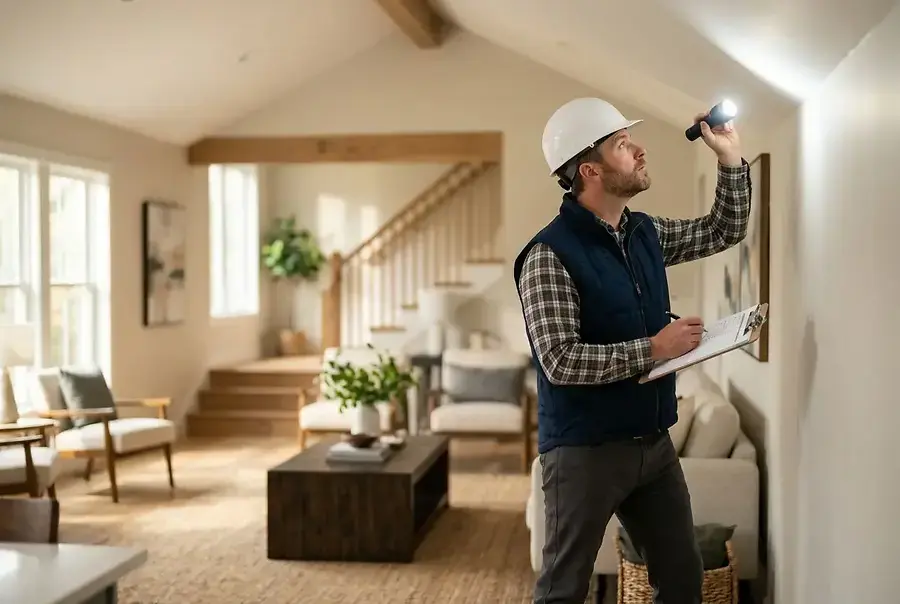
What Professional Home Inspectors Examine During Residential Inspections
A professional home inspection is one of the most critical steps in the home-buying process. Inspectors conduct a thorough evaluation of the property's structural integrity, systems, and overall condition. Understanding what they examine helps you prepare better and know what to expect.
Structural Components
Home inspectors begin by assessing the foundation, walls, and roof. They look for cracks, settling issues, water damage, and signs of structural movement. The roof's age, condition, and remaining lifespan are carefully evaluated, along with gutters and downspouts that protect the home from water damage.
Electrical Systems
Inspectors examine the electrical panel, wiring, outlets, and switches throughout the home. They verify that the system meets current safety codes and check for outdated components like aluminum wiring or insufficient grounding that could pose fire hazards.
Plumbing and Water Systems
The inspection includes checking water pressure, drainage, pipe materials, and the condition of fixtures. Inspectors look for leaks, corrosion, and proper venting. Water heater age and functionality are also evaluated, along with the main water shut-off valve location.
HVAC Systems
Heating, ventilation, and air conditioning systems are tested for proper operation. Inspectors check filter conditions, ductwork integrity, thermostat functionality, and the age of major components. They assess whether the system adequately heats and cools the home.
Interior and Exterior Conditions
Inspectors examine walls, ceilings, floors, doors, and windows for damage, moisture intrusion, and proper operation. They assess exterior elements including siding, paint, landscaping drainage, and deck or porch safety.
Common Issues Discovered in Home Inspections and How to Address Them
Most homes have some issues. Knowing the common ones helps you understand inspection findings and plan necessary repairs or negotiations.
Water Damage and Moisture Issues
Water intrusion is among the most frequently discovered problems. This includes:
- Roof leaks causing attic damage
- Foundation cracks allowing basement moisture
- Improper grading directing water toward the home
- Damaged or missing caulking around windows and doors
How to Address: Fix roof leaks immediately, improve grading around the foundation, and seal all exterior openings. Address moisture in basements with proper drainage solutions.
Outdated or Failing Systems
Older homes often have aging electrical, plumbing, or HVAC systems that may not meet current codes or function efficiently. Aluminum wiring, galvanized pipes, and original HVAC units from decades past are common concerns.
How to Address: Budget for system upgrades or replacements. Get quotes from licensed contractors to understand replacement costs and timelines.
Pest Infestations and Wood Damage
Termites, carpenter ants, and other pests can cause significant structural damage. Inspectors look for evidence of infestations and wood rot.
How to Address: Hire a pest control specialist for treatment and prevention. Address any wood damage through professional repair or replacement.
Safety Hazards
Missing handrails, unstable decks, improper electrical grounding, and inadequate ventilation are safety concerns that inspectors document.
How to Address: Prioritize safety repairs. These are often non-negotiable and should be corrected before closing.
Preparing Your Home for Inspection: Tips to Strengthen Your Position
If you're selling, preparing your home for inspection can significantly impact the outcome. If you're buying, understanding these preparations helps you know what to expect.
Clean and Declutter
A clean home allows inspectors better access to all areas. Remove clutter from attics, basements, and crawl spaces. Ensure all utilities are accessible and functional.
Make Minor Repairs
Address small issues before inspection:
- Fix leaky faucets and running toilets
- Replace broken light fixtures and switches
- Patch drywall holes and cracks
- Repair or replace damaged weatherstripping
- Caulk gaps around windows and doors
Document Maintenance History
Provide records of recent repairs, system maintenance, and upgrades. This demonstrates responsible homeownership and can ease inspector concerns about system reliability.
Ensure System Access
Make sure inspectors can easily access the electrical panel, water heater, HVAC system, and attic. Clear any obstructions and ensure adequate lighting in these areas.
Test All Systems
Verify that all lights, outlets, appliances, and systems work properly. Replace batteries in smoke detectors and carbon monoxide detectors. Test HVAC systems in both heating and cooling modes.
Using Inspection Reports to Negotiate and Finalize Your Residential Purchase
The inspection report is a powerful tool in real estate negotiations. Understanding how to interpret and use it can save you thousands of dollars.
Understanding the Report
Inspection reports categorize findings by severity. Critical issues require immediate attention for safety or structural integrity. Major issues affect home systems or longevity. Minor issues are cosmetic or low-priority concerns.
Prioritizing Findings
Focus on critical and major issues. Don't get distracted by minor cosmetic concerns. Work with your real estate agent to identify which issues are negotiable and which are deal-breakers.
Negotiation Strategies
You have several options when issues are discovered:
- Request repairs: Ask the seller to fix major issues before closing
- Request credits: Negotiate a price reduction to cover repair costs
- Request inspections: Get specialized inspections for specific concerns
- Walk away: If issues are too extensive, you may choose not to proceed
Getting Specialist Inspections
If the general inspection reveals concerns about specific systems, hire specialists. Roof, electrical, plumbing, and pest inspections provide detailed assessments and repair estimates that strengthen your negotiating position.
Final Walkthrough
Before closing, conduct a final walkthrough to verify that agreed-upon repairs were completed satisfactorily. Confirm that the home is in the condition you expected based on inspection findings and negotiations.
Conclusion: Home inspections protect your investment by revealing the true condition of a property. By understanding what inspectors examine, recognizing common issues, preparing properly, and using inspection reports strategically, you can make informed decisions and negotiate confidently. Whether you're buying or selling, a thorough inspection process ensures you're making one of the most important financial decisions with complete information.