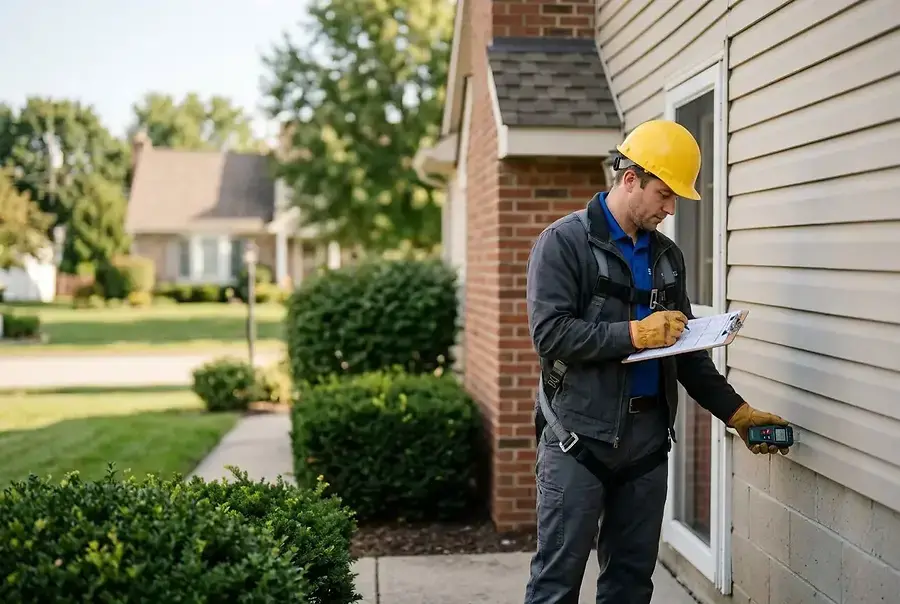
What Home Inspectors Examine During a Residential Property Inspection
A professional home inspection is one of the most critical steps in the home-buying process. Inspectors conduct a thorough examination of a property's structural integrity, systems, and components to identify any existing or potential issues. Understanding what they evaluate helps you prepare for the inspection and know what questions to ask.
Structural Components
Inspectors begin by examining the foundation, walls, and roof structure. They look for cracks, settling, water damage, and signs of structural movement. The roof is inspected for missing shingles, deterioration, and proper ventilation. Inspectors also check the condition of exterior walls, siding, and the overall structural soundness of the building.
Electrical Systems
The electrical system is thoroughly evaluated, including the main panel, wiring, outlets, and switches. Inspectors verify that the system meets current safety codes and can handle the home's electrical demands. They check for outdated wiring, improper grounding, and potential fire hazards.
Plumbing and Water Systems
Inspectors test water pressure, check for leaks, and examine pipes for corrosion or damage. They inspect the water heater, septic system (if applicable), and drainage systems. The condition of fixtures and the presence of water stains are also documented.
HVAC Systems
Heating, ventilation, and air conditioning systems are tested for proper operation. Inspectors check the age of equipment, filter conditions, and overall efficiency. They verify that systems are appropriately sized for the home and functioning correctly.
Common Issues Found in Residential Properties and Their Cost Implications
Most homes have some issues, ranging from minor to significant. Knowing the typical problems and their financial impact helps you understand inspection reports and plan your budget accordingly.
Roof Issues
Roof problems are among the most expensive repairs. Missing shingles, leaks, and structural damage can cost $5,000 to $25,000+ depending on the extent of damage and roof size. Age is also a factor—roofs typically last 20-25 years.
Foundation and Structural Problems
Foundation cracks, settling, or water intrusion can be costly. Minor cracks may cost $500-$2,000 to repair, while major structural issues can exceed $10,000. These issues require immediate attention as they affect the home's safety and value.
Electrical System Deficiencies
Outdated wiring, insufficient outlets, or code violations typically cost $1,000-$5,000 to address. Older homes with aluminum wiring or knob-and-tube wiring may require complete rewiring, which can be more expensive.
Plumbing Issues
Leaking pipes, water damage, or outdated plumbing can range from $500-$3,000 for minor repairs to $10,000+ for extensive replumbing. Water damage from leaks can also lead to mold remediation costs.
HVAC System Failures
Replacing a heating or cooling system costs $3,000-$8,000 depending on the system type and home size. Regular maintenance issues are typically much less expensive at $200-$500.
How to Interpret Inspection Reports and Identify Red Flags
Inspection reports can be lengthy and technical. Learning to read them effectively helps you identify serious concerns and minor issues that don't require immediate attention.
Understanding Report Organization
Most inspection reports are organized by system or component. Each section typically includes:
- Description: What was inspected
- Condition: Current status (good, fair, poor)
- Findings: Specific issues identified
- Recommendations: Suggested actions or repairs
Identifying Critical Red Flags
Critical issues require immediate attention and can significantly impact your decision to purchase. These include:
- Foundation cracks or structural damage
- Roof leaks or significant deterioration
- Electrical hazards or code violations
- Mold or water damage
- Failing HVAC systems
- Plumbing leaks or sewage issues
Distinguishing Major from Minor Issues
Not all issues are deal-breakers. Minor issues like worn caulking, cosmetic damage, or routine maintenance needs are common and relatively inexpensive to address. Focus your negotiation efforts on items that affect safety, functionality, or require significant investment.
Asking for Clarification
Don't hesitate to contact the inspector with questions. Request photos, detailed explanations, and recommendations for professional follow-up inspections when needed. A good inspector will be happy to clarify findings and discuss implications.
Using Inspection Results to Negotiate Price Adjustments and Repairs
The inspection report is your most powerful negotiating tool. Use it strategically to secure better terms on your home purchase.
Prioritizing Issues for Negotiation
Focus on significant, documented issues that require professional repair or replacement. Create a prioritized list with estimated costs. This approach demonstrates that your requests are reasonable and based on professional findings.
Requesting Repairs vs. Price Reductions
You have two main options: request that the seller make repairs before closing, or ask for a price reduction to cover repair costs yourself. Consider which option is better based on:
- The seller's willingness to negotiate
- Your ability to oversee repairs
- Market conditions and your negotiating position
- The complexity and urgency of repairs
Crafting Your Negotiation Strategy
Present your requests professionally and reasonably. Use the inspection report as your foundation, include contractor estimates for major items, and be prepared to compromise.
Remember: sellers are more likely to respond positively to reasonable, well-documented requests than to demands based on minor issues.
Knowing When to Walk Away
If inspection results reveal extensive problems that would require major investment, or if the seller refuses to address critical safety issues, it may be time to reconsider the purchase. Your inspection contingency protects you—use it if necessary.
A thorough understanding of inspection reports empowers you to make informed decisions, negotiate effectively, and ultimately secure a home that meets your expectations and budget. Take time to review the report carefully, ask questions, and use the findings to your advantage in the home-buying process.