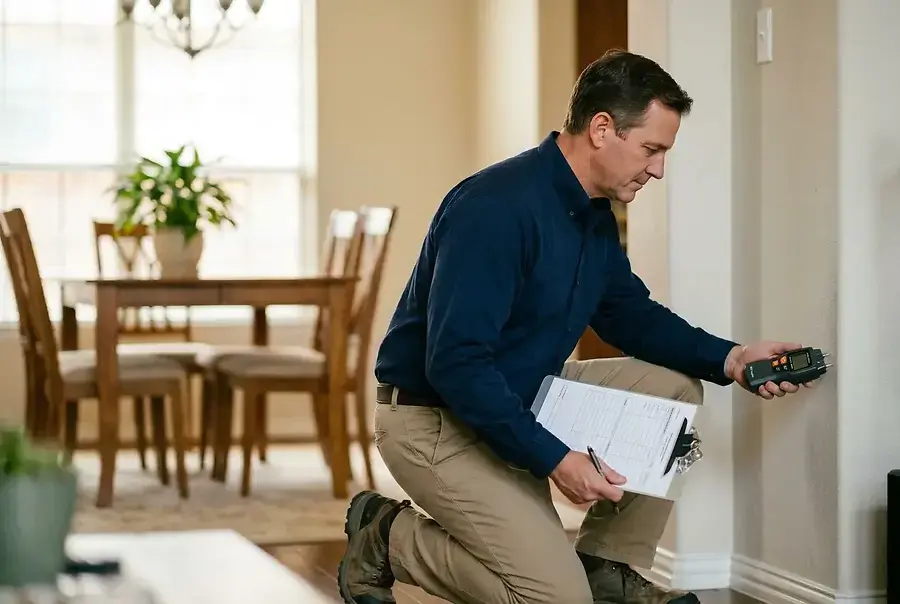
Understanding the North Texas Home Inspection Process
Purchasing a home in North Texas is one of the most significant investments you'll make. Whether you're buying in Denton, Collin, Wise, or Tarrant counties, a thorough home inspection is essential to understanding the true condition of your potential property. A professional home inspection typically takes two to three hours and involves a detailed examination of the home's structural components, systems, and overall condition.
The inspection process begins when you make an offer on a property. Most purchase agreements include a contingency period—usually 7 to 10 days—during which you can hire a licensed inspector to evaluate the home. This window is critical for identifying any issues before you commit to the purchase.
Why Home Inspections Matter in the Metroplex
North Texas homes face unique environmental challenges, including extreme heat, occasional severe weather, and soil composition variations across different counties. These factors can affect everything from foundation stability to HVAC system efficiency. A qualified inspector understands these regional concerns and knows what to look for specifically in Metroplex properties.
Key Areas to Inspect in Homes Across the Metroplex
Foundation and Structural Elements
The foundation is the most critical component of any home. Inspectors will look for:
- Cracks in the foundation or basement walls
- Signs of settling or shifting
- Water damage or moisture intrusion
- Proper grading around the foundation to ensure water drainage
North Texas soil conditions can be particularly challenging, so foundation issues are common in the region. Don't ignore even minor cracks—they can indicate larger structural problems.
Roof and Exterior
Your roof protects everything beneath it. Inspectors will examine:
- Shingle condition and remaining lifespan
- Flashing around chimneys, vents, and skylights
- Gutters and downspouts for proper drainage
- Exterior walls for damage, rot, or pest intrusion
- Windows and doors for proper sealing
Given North Texas's intense sun and occasional hail storms, roof condition is particularly important. A roof nearing the end of its life can be an expensive replacement.
HVAC Systems
Heating and cooling systems work overtime in North Texas. Your inspector will check:
- Age and condition of the air conditioning unit
- Furnace functionality and safety
- Ductwork for leaks or damage
- Thermostat operation
- Filter accessibility and condition
Pro tip: Ask the seller for maintenance records. Regular servicing extends HVAC lifespan significantly.
Plumbing and Water Systems
Water-related issues can be costly. Inspectors evaluate:
- Water pressure and flow throughout the home
- Pipe material and condition (galvanized, copper, PEX, etc.)
- Signs of leaks or water damage
- Water heater age and condition
- Septic systems (if applicable in rural Wise or Denton counties)
Electrical Systems
Safety is paramount with electrical systems. Your inspector will verify:
- Panel capacity and condition
- Proper grounding and bonding
- GFCI outlets in wet areas
- Adequate outlets and no obvious hazards
- Compliance with current electrical codes
Interior Components
Don't overlook interior details:
- Insulation levels in attic and walls
- Ventilation in bathrooms and kitchen
- Flooring condition and stability
- Doors and windows operation
- Signs of pest infestation or mold
Working with Local Inspectors and Reading Reports
Choosing the Right Inspector
Select a licensed, experienced inspector familiar with North Texas properties. Look for inspectors who are members of professional organizations like the Texas Real Estate Commission (TREC) or the American Society of Home Inspectors (ASHI). Ask for references and verify their credentials before hiring.
What to Expect in an Inspection Report
A comprehensive inspection report should include:
- Detailed descriptions of all major systems
- Photos of problem areas
- Severity ratings (safety issue, major repair, minor repair, maintenance)
- Estimated costs for repairs when possible
- Recommendations for further evaluation by specialists
Important: Not every issue found requires immediate action. Your inspector will help you prioritize concerns based on safety and cost implications.
Understanding Inspection Findings
Reports often categorize issues into different levels. Safety issues require immediate attention, while major repairs may need addressing before closing. Minor repairs and maintenance items can often be negotiated or handled after purchase.
Use the inspection report as a negotiation tool. If significant issues are discovered, you can request repairs, credits, or price reductions from the seller.
Next Steps After Your Home Inspection
Review and Analysis
Take time to thoroughly review the inspection report with your real estate agent. Ask your inspector to explain any findings you don't understand. Don't hesitate to request clarification on technical issues.
Specialist Inspections
Some issues warrant specialist evaluation:
- Structural engineers for foundation concerns
- Pest inspectors for termite or other infestations
- Mold specialists if moisture issues are suspected
- HVAC technicians for system concerns
Negotiation Strategy
Armed with your inspection report, you have several options:
- Request the seller make repairs before closing
- Ask for a credit to handle repairs yourself
- Negotiate a price reduction
- Walk away if issues are too significant
Remember, you have leverage during the inspection contingency period. Use it wisely to protect your investment.
Final Walk-Through
Before closing, conduct a final walk-through to ensure agreed-upon repairs were completed and the home's condition hasn't changed since inspection.
A thorough home inspection is your best defense against costly surprises after purchase. By understanding what to look for and working with qualified professionals, you can make a confident decision about your North Texas home investment.
