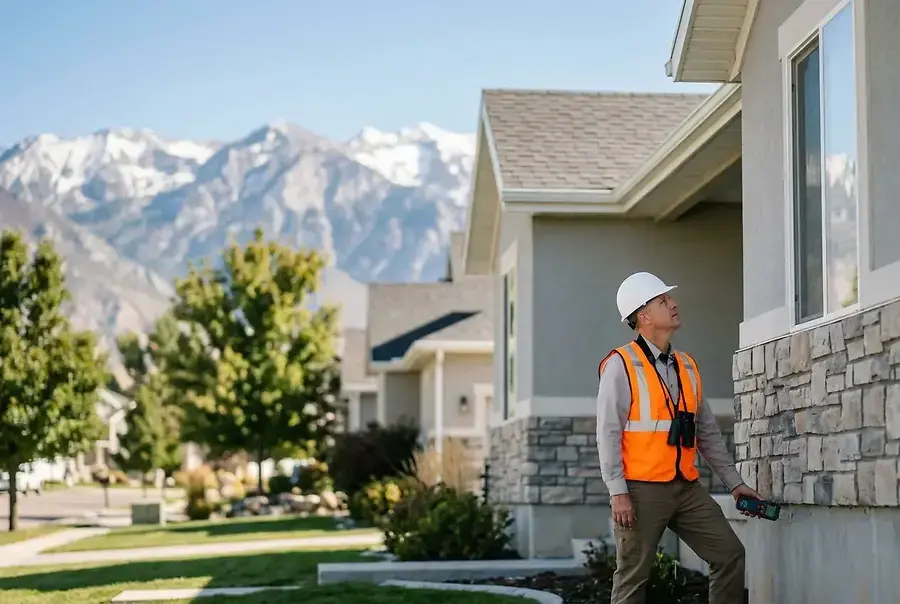
Why Home Inspections Matter in Utah's Competitive Market
Utah's real estate market moves fast. Whether you're looking to buy in Bountiful's family-friendly neighborhoods, Saint George's growing communities, or Salt Lake City's vibrant urban areas, a thorough home inspection is your best defense against costly surprises. In a competitive market where homes sell quickly, taking time for a comprehensive inspection can mean the difference between a smart investment and a financial burden.
Home inspections provide an objective assessment of a property's condition before you commit to the purchase. They identify structural issues, safety hazards, and maintenance needs that might not be visible during a casual walkthrough. For Utah buyers, understanding what inspectors look for—and what you should prioritize—is essential to making an informed decision.
Key Areas to Inspect in Utah Homes: Climate-Related Concerns
Roof and Attic Condition
Utah's intense sun and occasional heavy snow loads make roof inspection critical. Look for:
- Missing or damaged shingles
- Proper attic ventilation to prevent moisture buildup
- Signs of water damage or leaks
- Adequate insulation for energy efficiency
- Flashing around chimneys and vents
A well-maintained roof can last 20-25 years, but Utah's climate can accelerate wear. Ask your inspector about the roof's age and remaining lifespan.
Foundation and Basement Issues
Utah's expansive clay soils and freeze-thaw cycles create unique foundation challenges. During inspection, examine:
- Cracks in the foundation (hairline cracks are normal, but wider ones need attention)
- Water intrusion or moisture in basements
- Proper grading around the foundation to direct water away
- Sump pump functionality in areas prone to water accumulation
- Efflorescence (white mineral deposits indicating moisture)
Pro tip: Foundation repairs can be expensive. If you notice significant issues, request a specialized foundation inspection before finalizing your purchase.
HVAC Systems and Energy Efficiency
Utah's temperature extremes—from scorching summers to cold winters—demand reliable heating and cooling systems. Verify:
- Age and condition of furnace and air conditioning units
- Regular maintenance records
- Proper ductwork insulation
- Thermostat functionality
- Energy efficiency ratings
Replacing an HVAC system can cost $5,000-$10,000, so understanding its condition is vital for budgeting.
Plumbing and Water Quality
Hard water is common in Utah, affecting pipes and fixtures over time. Check for:
- Water pressure and flow rates
- Signs of corrosion in copper pipes
- Water heater age and condition
- Proper drainage in all fixtures
- Evidence of previous water damage or mold
Consider requesting a water quality test, especially in rural areas outside city water systems.
Electrical Systems
Older homes in Utah may have outdated electrical systems. Inspectors should verify:
- Adequate grounding and bonding
- Proper circuit breaker capacity
- GFCI outlets in bathrooms and kitchens
- No aluminum wiring (a fire hazard in older homes)
- Sufficient outlets for modern living
Understanding Inspection Reports and Red Flags
What to Look For in Your Report
A professional inspection report should be detailed and organized by system. It typically includes:
- Summary of findings highlighting major issues
- Detailed descriptions of each system's condition
- Photographs documenting problems
- Recommendations for repairs or further evaluation
- Cost estimates for addressing issues (when applicable)
Major Red Flags to Take Seriously
Structural problems: Foundation cracks, sagging floors, or bowing walls indicate serious issues requiring professional assessment.
Water damage and mold: Extensive moisture problems can lead to health issues and costly remediation. Never ignore signs of mold or water intrusion.
Outdated electrical systems: Aluminum wiring, insufficient grounding, or overloaded circuits pose fire hazards and may require complete rewiring.
Failing HVAC systems: If the furnace or air conditioner is near the end of its lifespan, budget for replacement soon after purchase.
Plumbing issues: Corroded pipes, low water pressure, or sewage backups can be expensive to repair and affect your quality of life.
Minor Issues vs. Deal-Breakers
Not every finding requires walking away from a property. Minor issues like:
- Worn caulking around tubs and showers
- Outdated fixtures or cosmetic damage
- Missing weatherstripping
- Minor paint touch-ups needed
These can often be negotiated or addressed after purchase. Focus your concern on structural, safety, and major system issues that could cost thousands to repair.
Making Informed Decisions with Inspection Knowledge
Armed with a thorough inspection report, you have leverage in negotiations. Use your findings to:
- Request repairs from the seller before closing
- Negotiate a lower price to account for needed repairs
- Request credits to handle repairs yourself after purchase
- Walk away if major issues exceed your budget or comfort level
Remember, a home inspection is an investment in your peace of mind. In Utah's competitive markets—whether you're buying in Bountiful, Saint George, or Salt Lake City—a professional inspection protects your financial investment and helps you make decisions based on facts, not emotions.
Take your time reviewing the inspection report, ask your inspector questions, and consult with your real estate agent about next steps. The few hundred dollars spent on an inspection can save you thousands in unexpected repairs and help you buy with confidence.