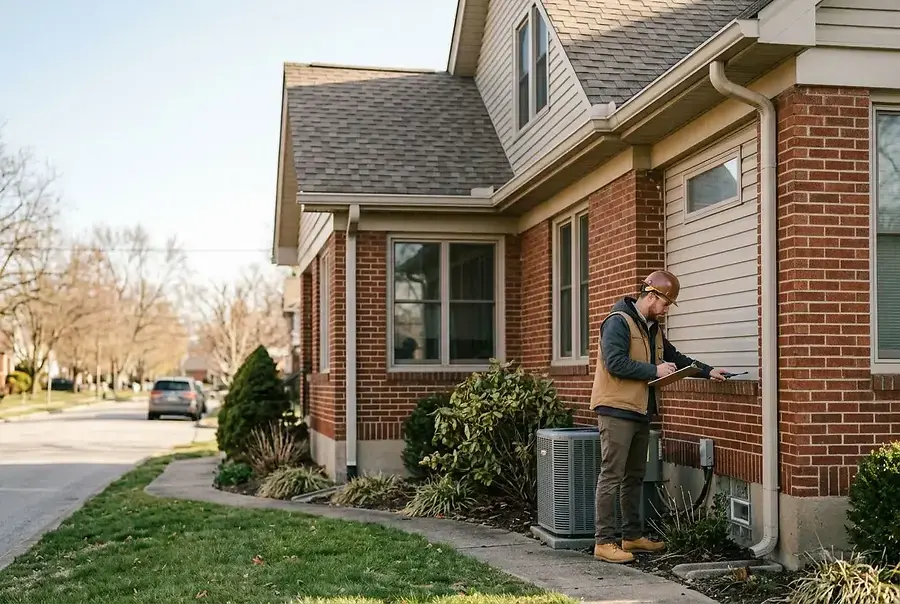
Why Home Inspections Matter in Cincinnati
Whether you're buying your first home or selling a property in Cincinnati, a professional home inspection is one of the most critical steps in the real estate process. Cincinnati's diverse housing market—from historic Victorian homes in Hyde Park to modern developments in the suburbs—means that properties vary significantly in age, condition, and potential issues.
A thorough home inspection provides peace of mind and protects your financial investment. For buyers, it reveals hidden problems before you commit to a purchase. For sellers, a pre-listing inspection can identify issues early, allowing you to address them proactively or adjust your asking price accordingly. In Cincinnati's competitive market, transparency and preparation are key to a smooth transaction.
The inspection process typically takes 2-4 hours and covers every major system and structural component of the home. Understanding what inspectors evaluate helps you ask the right questions and make informed decisions.
Key Structural, Foundation, and Roof Elements to Evaluate
Foundation and Structural Integrity
Cincinnati's clay-heavy soil and variable weather patterns can impact home foundations over time. Professional inspectors examine foundations for:
- Visible cracks or settling issues
- Water damage or moisture intrusion
- Basement wall stability and bowing
- Evidence of previous repairs or reinforcement
Foundation problems are among the most expensive repairs, so this assessment is crucial. Many Cincinnati homes built decades ago may show minor settling, which is normal, but significant cracks warrant further evaluation by a structural engineer.
Roof Condition and Age
Your roof is your home's first line of defense against Cincinnati's weather, including heavy rains and occasional severe storms. Inspectors evaluate:
- Shingle condition, curling, or missing pieces
- Roof age and remaining lifespan
- Flashing around chimneys, vents, and skylights
- Gutters and downspout functionality
- Signs of leaks or water damage in the attic
A well-maintained roof typically lasts 15-25 years. If your roof is nearing the end of its life, budget for replacement or negotiate repairs with the seller.
Exterior and Siding
Inspectors assess the home's exterior for weather resistance and structural soundness, including wood rot, damaged siding, deteriorating mortar in brick homes, and proper drainage away from the foundation.
Critical Systems: HVAC, Plumbing, Electrical, and Appliances
HVAC Systems
Cincinnati's four distinct seasons mean your heating and cooling systems work hard year-round. Inspectors test:
- Furnace or heat pump operation and age
- Air conditioning efficiency
- Thermostat functionality
- Ductwork condition and sealing
- Filter accessibility and maintenance records
Older HVAC systems may still function but could be inefficient. Newer systems offer better energy savings, which is important in Cincinnati's climate.
Plumbing System
Water quality and plumbing reliability are essential for daily living. Professional inspectors examine:
- Water pressure and flow from fixtures
- Pipe material and condition (galvanized, copper, PVC)
- Signs of leaks, corrosion, or water damage
- Sump pump operation in basements
- Water heater age, type, and condition
- Septic system status (if applicable)
Galvanized pipes in older Cincinnati homes may be corroded and could require replacement. This is an important consideration for long-term maintenance costs.
Electrical System
Safety is paramount when evaluating electrical systems. Inspectors check:
- Panel capacity and breaker condition
- Grounding and bonding adequacy
- Outlet and switch functionality
- Presence of GFCI outlets in wet areas
- Proper wiring throughout the home
Outdated electrical systems or insufficient capacity for modern appliances may require upgrades. This is especially common in Cincinnati's older neighborhoods.
Appliances
While not always included in standard inspections, appliance condition affects your move-in experience. Inspectors note the age and functionality of:
- Kitchen appliances (stove, refrigerator, dishwasher)
- Washer and dryer
- Garage door opener
Clarify with your inspector which appliances are included in the inspection and which convey with the sale.
Inspection Results and Your Next Steps as a Buyer or Seller
Understanding Your Inspection Report
A comprehensive inspection report categorizes findings by severity: critical issues requiring immediate attention, major concerns needing repair, and minor items for future maintenance. Don't panic if the report lists multiple items—most homes have some issues. The key is understanding which ones affect safety, functionality, or value.
For Buyers: Negotiating After Inspection
Once you receive the inspection report, you have several options:
- Request repairs: Ask the seller to fix critical issues before closing
- Request credits: Negotiate a price reduction to cover repair costs yourself
- Walk away: If major issues exceed your comfort level or budget
- Accept as-is: Proceed without repairs if issues are minor or acceptable
In Cincinnati's market, your negotiating power depends on market conditions, the home's price point, and the severity of issues. Work with your real estate agent to develop a strategic response.
For Sellers: Preparing Your Home
Consider ordering a pre-listing inspection to identify issues before showing your home. This allows you to:
- Make repairs that increase buyer confidence
- Price your home competitively based on actual condition
- Avoid surprises during buyer inspections
- Demonstrate transparency and professionalism
A pre-listing inspection often pays for itself by preventing price negotiations or failed sales due to inspection contingencies.
Final Recommendations
Whether buying or selling in Cincinnati, prioritize hiring a certified, experienced home inspector. Ask for references, verify credentials, and ensure they provide detailed written reports. Don't skip the inspection to save money—it's one of the best investments you can make in your real estate transaction.
By understanding what inspectors evaluate and taking action based on their findings, you protect your investment and ensure a smoother, more confident real estate experience in Cincinnati's dynamic market.