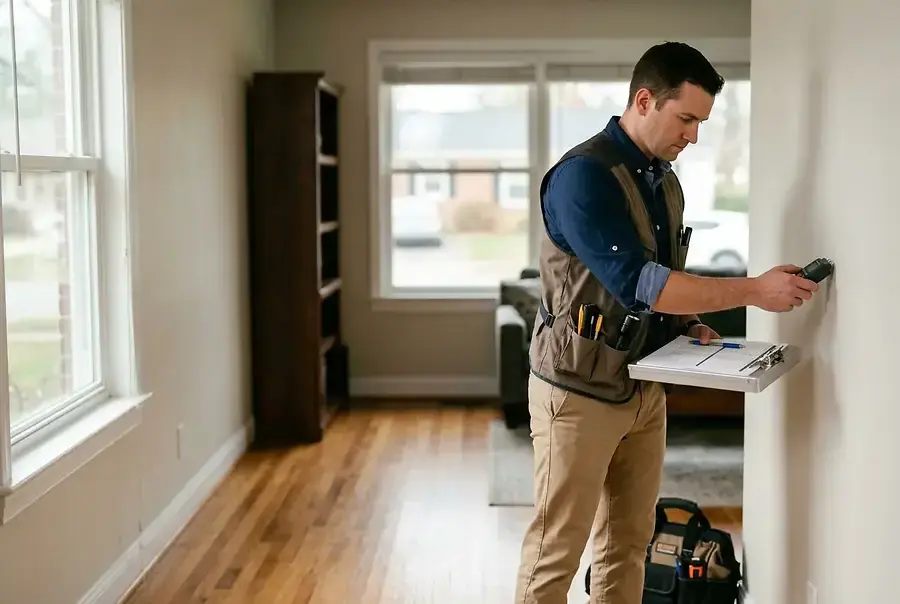
Understanding the Home Inspection Process
A home inspection is one of the most important steps in the home-buying process. This thorough evaluation of a property's condition helps you make an informed decision before committing to such a significant investment. In Flora, MS, a standard home inspection typically takes two to three hours and covers both the interior and exterior of the property.
During the inspection, a certified home inspector will examine the structural integrity, mechanical systems, and overall condition of the home. It's crucial to understand that a home inspection is not an appraisal—it focuses on the condition of the property rather than its market value. As a buyer, you have the right to be present during the inspection, and many experts recommend attending to ask questions and gain firsthand knowledge about the property.
What to Expect During Your Inspection
Your inspector will provide a detailed written report within 24 to 48 hours of the inspection. This report will include photographs, descriptions of any issues found, and recommendations for repairs or further evaluation. Understanding this report is essential for making your next move in the purchasing process.
Critical Areas Every Inspector Will Evaluate
Professional home inspectors follow a systematic approach when evaluating properties. Here are the key areas they'll examine:
Foundation and Structural Components
The foundation is the backbone of any home. Inspectors will look for:
- Cracks in the foundation or basement walls
- Signs of settling or shifting
- Water damage or moisture intrusion
- Proper grading around the foundation
Roofing and Exterior
The roof protects your entire investment. Inspectors evaluate:
- Roof age and condition of shingles or materials
- Flashing around chimneys and vents
- Gutters and downspouts
- Siding, windows, and doors for damage or deterioration
Plumbing Systems
Water-related issues can be costly. Your inspector will check:
- Water pressure and flow throughout the home
- Pipe condition and material (galvanized, copper, PVC)
- Presence of leaks under sinks and around toilets
- Septic system or municipal sewer connection
- Water heater age and condition
Electrical Systems
Safety is paramount when it comes to electrical systems. Inspectors examine:
- Panel condition and capacity
- Proper grounding and bonding
- GFCI outlets in wet areas
- Overall wiring condition and safety
HVAC and Mechanical Systems
Climate control systems are essential for comfort and health. Inspectors assess:
- Furnace or heat pump age and functionality
- Air conditioning system performance
- Ductwork condition and insulation
- Thermostat operation
Interior Condition
The inspector will also evaluate:
- Walls, ceilings, and floors for damage
- Doors and windows operation
- Insulation in attic and crawl spaces
- Signs of pest infestation or mold
Red Flags and What They Mean for Your Offer
Not all inspection findings are deal-breakers, but some warrant serious consideration. Understanding the severity of issues helps you negotiate effectively.
Major Red Flags
Structural problems such as foundation cracks, severe settling, or water damage in the basement are serious concerns that require professional evaluation and can be expensive to repair. Roof issues including significant damage, missing shingles, or a roof nearing the end of its lifespan may require replacement, which is a substantial expense.
Electrical hazards like outdated wiring, improper grounding, or an overloaded panel pose safety risks and must be addressed. Plumbing failures including galvanized pipes, active leaks, or septic system problems can lead to water damage and costly repairs.
Moderate Concerns
Issues like aging HVAC systems, minor roof repairs, or cosmetic damage may not be deal-breakers but should factor into your negotiation. These items can often be addressed through repair credits or price reductions.
Using Inspection Results in Negotiations
Once you receive your inspection report, you have several options:
- Request the seller make repairs before closing
- Negotiate a price reduction to cover repair costs
- Ask for a repair credit at closing
- Walk away from the deal if issues are too severe
Remember: You have leverage during the inspection period. Use it wisely to protect your investment.
Next Steps After Receiving Your Inspection Report
Review and Analysis
Take time to thoroughly review the inspection report. Don't hesitate to ask your inspector questions about any findings. Understanding the severity and cost of repairs is crucial before making your next decision.
Get Professional Opinions
For significant issues, consider obtaining estimates from licensed contractors. This gives you concrete numbers to use in negotiations with the seller. Specialized inspections for issues like mold, radon, or pest infestations may also be warranted.
Consult Your Real Estate Agent
Your real estate agent can provide valuable insight into local market conditions and help you decide whether to negotiate, request repairs, or move forward without contingencies. They understand Flora's real estate landscape and can guide your strategy.
Make Your Decision
Based on the inspection findings and your financial situation, decide your next course of action. This is your opportunity to ensure the property meets your expectations and budget. Don't rush this decision—it's one of the most important you'll make as a homebuyer.
A thorough home inspection protects your investment and gives you peace of mind. By understanding what inspectors look for, recognizing red flags, and taking appropriate action, you'll be well-equipped to make a confident decision about your Flora property purchase.