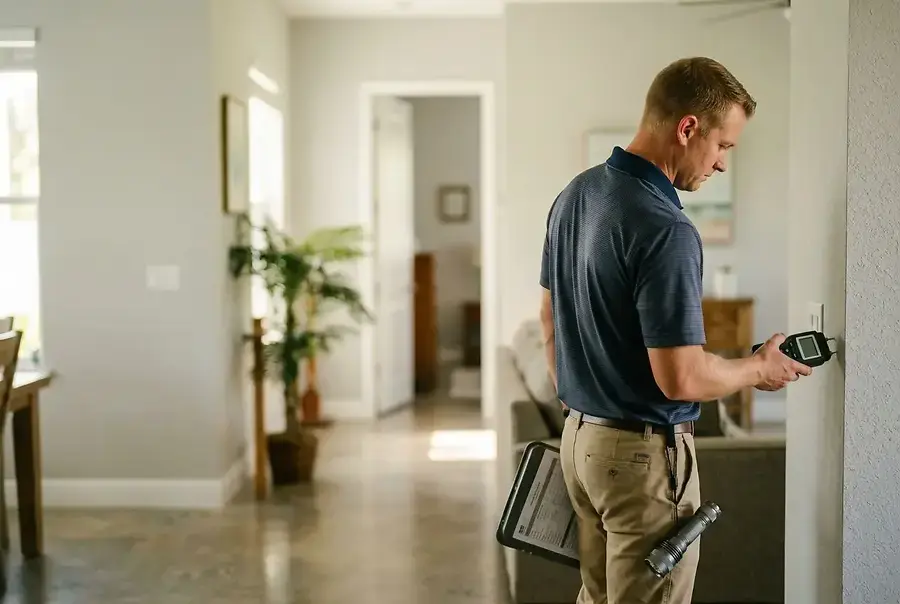
Why Home Inspections Matter in Florida's Climate
Purchasing a home is one of the most significant investments you'll make in your lifetime. In Florida, where the climate presents unique challenges, a thorough home inspection becomes even more critical. The state's intense heat, humidity, frequent rainfall, and occasional hurricanes create conditions that can accelerate wear and tear on residential properties.
Florida homebuyers in Orlando, Fort Lauderdale, and Coral Springs face specific environmental pressures that differ from other regions. A professional home inspection can reveal hidden problems before you commit to the purchase, potentially saving you thousands of dollars in unexpected repairs. Whether you're a first-time buyer or an experienced investor, understanding what inspectors look for will empower you to make informed decisions.
Key Areas to Inspect: Roof, Foundation, and Water Damage
Roof Condition and Integrity
Your roof is your home's first line of defense against Florida's weather. Inspectors will examine:
- Shingle condition and age (Florida roofs typically last 15-20 years)
- Signs of leaks, mold, or water stains in the attic
- Proper ventilation and insulation
- Flashing around chimneys, vents, and skylights
- Evidence of previous repairs or patches
A compromised roof in Florida can lead to catastrophic water damage during hurricane season. Don't overlook this critical component.
Foundation and Structural Integrity
Florida's sandy soil and high water table create unique foundation challenges. Inspectors will look for:
- Cracks in concrete slabs or foundation walls
- Signs of settling or shifting
- Water intrusion or moisture in crawl spaces
- Proper drainage around the foundation perimeter
- Evidence of previous foundation repairs
Foundation issues are expensive to repair and can affect your home's resale value. Early detection is crucial for protecting your investment.
Water Damage and Moisture Control
Water is Florida's biggest enemy. Inspectors will assess:
- Bathroom and kitchen plumbing for leaks
- HVAC condensation lines and proper drainage
- Window and door seals for water infiltration
- Basement or crawl space moisture levels
- Grading and drainage patterns around the property
Hidden moisture can lead to mold growth, structural damage, and health hazards. This inspection area deserves your careful attention.
Common Issues in South Florida Homes and Red Flags to Watch
Mold and Humidity Problems
South Florida's tropical climate creates ideal conditions for mold growth. Watch for musty odors, visible mold spots, or discoloration on walls and ceilings. These signs indicate moisture problems that require immediate attention and professional remediation.
Hurricane and Storm Damage
Even if a home has been repaired after a hurricane, previous damage can compromise structural integrity. Ask your inspector to look for:
- Replacement windows or doors that may not meet current codes
- Roof repairs that don't match original construction
- Reinforced garage doors or impact-resistant features
- Proper installation of storm shutters or protection systems
Saltwater Corrosion
Homes near coastal areas face accelerated corrosion of metal components. Inspectors will examine air conditioning units, electrical panels, and metal framing for rust and deterioration. Saltwater exposure can significantly reduce the lifespan of these systems.
Plumbing and Electrical Systems
Florida homes often have outdated plumbing and electrical systems. Common issues include:
- Polybutylene pipes (known to fail prematurely)
- Outdated electrical panels with insufficient capacity
- Corroded copper pipes in high-humidity environments
- Improper grounding or code violations
These systems are expensive to replace, so understanding their condition is essential.
Air Conditioning and HVAC Systems
In Florida's heat, a functioning AC system is non-negotiable. Inspectors will verify:
- System age and maintenance history
- Proper refrigerant levels
- Ductwork condition and insulation
- Thermostat functionality
A failing AC system can cost $5,000-$15,000 to replace, making this inspection critical.
Pest and Termite Damage
Florida's warm climate attracts termites, roaches, and other pests. Look for evidence of termite damage, mud tubes, or previous pest control treatments. Structural damage from termites can be severe and costly to repair.
Taking Action After Your Inspection Report
Understanding Your Report
Once your inspector completes their work, you'll receive a detailed report. Take time to review it thoroughly and ask your inspector to explain any findings you don't understand. Don't ignore items marked as "safety concerns" or "major repairs needed."
Negotiating Repairs and Credits
Your inspection report is a negotiating tool. You can:
- Request the seller make repairs before closing
- Ask for a credit toward closing costs
- Renegotiate the purchase price based on findings
- Walk away if major issues exceed your budget
Remember: You have leverage during the inspection period. Use it wisely.
Planning for Future Maintenance
Even if the inspection reveals no major issues, Florida homes require ongoing maintenance. Create a maintenance schedule for:
- Annual roof inspections
- HVAC system servicing twice yearly
- Plumbing inspections every 3-5 years
- Foundation monitoring
- Pest control treatments
Preventive maintenance is far less expensive than emergency repairs. Budget accordingly for your Florida home's unique needs.
Final Thoughts
A comprehensive home inspection is your best defense against costly surprises after purchase. In Florida's challenging climate, this step isn't optional—it's essential. By understanding what inspectors look for and knowing the common issues specific to South Florida properties, you're taking control of your investment.
Work with a qualified, licensed home inspector who understands Florida's unique environmental challenges. Ask questions, review the report carefully, and don't hesitate to hire specialists for areas of concern. Your future self will thank you for the diligence you invest today.