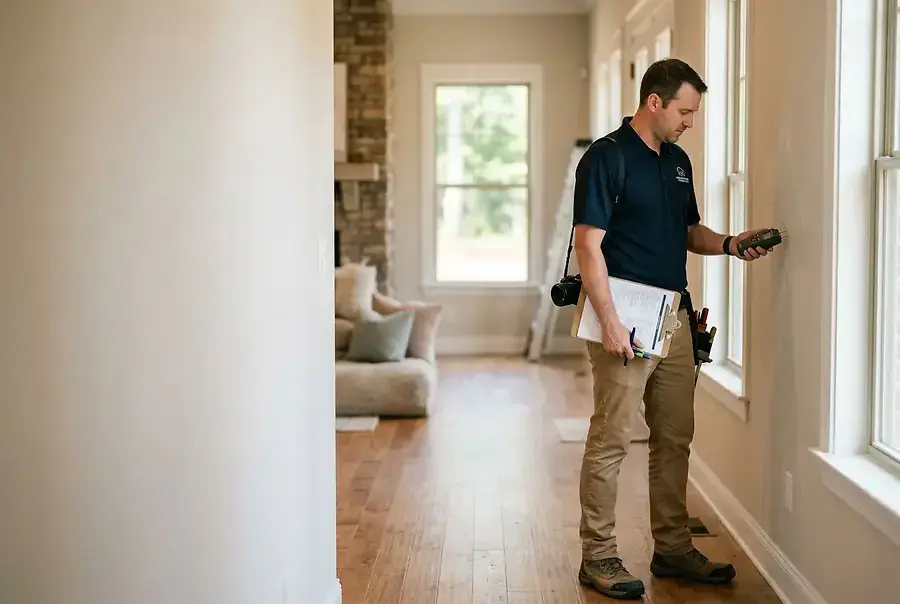
Why Home Inspections Are Critical in Huntsville's Market
Purchasing a home is one of the most significant financial decisions you'll make in your lifetime. In Huntsville's competitive real estate market, a professional home inspection serves as your safeguard against costly surprises after closing. Many buyers overlook this crucial step or rush through it, only to discover expensive problems months later.
A thorough home inspection provides you with detailed knowledge about your potential property's condition. This information empowers you to make informed decisions, negotiate repairs or credits with sellers, and plan for future maintenance. Whether you're a first-time buyer or an experienced investor, understanding what inspectors evaluate can save you thousands of dollars.
What Professional Inspectors Examine in Your Home
Structural Components and Foundation
Professional inspectors begin by evaluating the home's foundation and structural integrity. They look for:
- Cracks in the foundation or basement walls
- Signs of settling or shifting
- Water damage or moisture intrusion
- Proper grading around the foundation
A compromised foundation can lead to serious structural problems and expensive repairs. Inspectors use specialized tools to assess the severity of any issues they discover.
Roofing and Exterior
The roof is your home's first line of defense against the elements. Inspectors examine:
- Roof age and remaining lifespan
- Missing, damaged, or curling shingles
- Flashing around chimneys and vents
- Gutters and downspouts functionality
- Siding condition and potential water damage
In Huntsville's climate, proper roof maintenance is essential. A roof nearing the end of its life can be a major expense that should factor into your purchase decision.
Plumbing Systems
Inspectors thoroughly evaluate your home's plumbing by checking:
- Water pressure and flow rates
- Pipe material and condition
- Presence of leaks or water stains
- Drain functionality
- Water heater age and condition
- Septic system or sewer line integrity
Plumbing issues can be costly and disruptive. Identifying problems early allows you to budget for repairs or negotiate with the seller.
Electrical Systems
A comprehensive electrical inspection includes:
- Panel condition and capacity
- Proper grounding and bonding
- Outlet and switch functionality
- Presence of outdated wiring
- Safety concerns like exposed wiring
Safety is paramount with electrical systems. Outdated or faulty wiring can pose fire hazards and should be addressed before you move in.
HVAC and Climate Control
Inspectors evaluate your heating and cooling systems by assessing:
- Age and condition of furnace and air conditioning units
- Proper airflow and temperature distribution
- Ductwork integrity
- Thermostat functionality
HVAC systems are expensive to replace. Understanding their condition helps you plan for future upgrades.
Interior Features and Appliances
Professional inspectors also examine:
- Walls, ceilings, and floors for damage
- Windows and doors operation
- Kitchen and bathroom fixtures
- Included appliances functionality
- Insulation levels in attic and walls
Common Red Flags and Costly Issues to Watch For
Water Damage and Mold
Water intrusion is one of the most common and expensive problems in homes. Look for:
- Stains on ceilings or walls
- Musty odors in basements or crawl spaces
- Soft or spongy wood
- Visible mold growth
Water damage can compromise structural integrity and create health hazards. If detected, professional remediation is essential.
Pest Infestations
Termites, carpenter ants, and other pests can cause significant structural damage. Your inspector should look for:
- Evidence of termite activity
- Pest droppings or nesting materials
- Damaged wood or hollow-sounding areas
Outdated or Hazardous Materials
Older homes may contain:
- Asbestos in insulation or flooring
- Lead-based paint
- Knob-and-tube wiring
These materials require professional removal and can significantly impact your budget.
HVAC and Electrical Concerns
Systems nearing the end of their lifespan or showing signs of wear should be documented. Replacement costs can range from several thousand to tens of thousands of dollars. Understanding the condition of these systems helps you negotiate appropriately.
Roof and Foundation Issues
Both of these are major structural components. Any significant issues should be thoroughly documented and professionally evaluated for repair costs.
Using Inspection Results to Negotiate and Protect Your Investment
Once you receive your inspection report, you have several options:
- Request repairs: Ask the seller to fix identified issues before closing
- Negotiate credits: Request a credit toward closing costs to handle repairs yourself
- Renegotiate price: Use significant findings to justify a lower purchase price
- Walk away: If major issues exist, you may choose to terminate the contract
Most purchase agreements include an inspection contingency period, typically 7-10 days. Use this time wisely to review the report thoroughly and consult with contractors about repair estimates if needed.
A professional home inspection is not an expense—it's an investment in your peace of mind and financial security.
Don't hesitate to ask your inspector questions about findings. Understanding what you're purchasing empowers you to make confident decisions about your Huntsville home.
By prioritizing a comprehensive home inspection and carefully reviewing the results, you're taking a crucial step toward protecting your investment and ensuring your new home is safe, sound, and worth the price you're paying.
