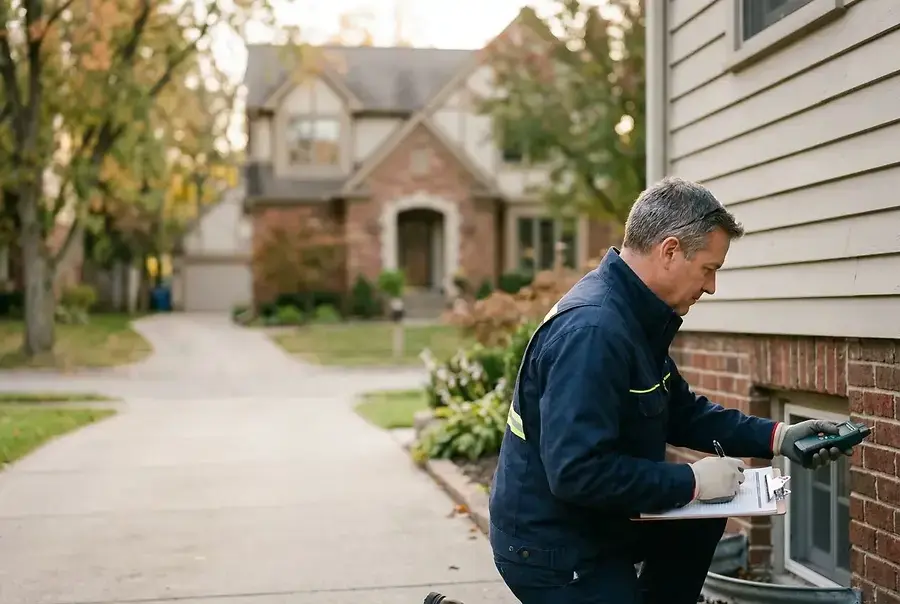
Why Home Inspections Matter in Metro Detroit
Purchasing a home is one of the most significant investments you'll make in your lifetime. In Metro Detroit's competitive real estate market, a professional home inspection is your safeguard against costly surprises after closing. An inspection provides an objective assessment of your potential property's condition, helping you make informed decisions and negotiate repairs or credits before finalizing your purchase.
Many first-time homebuyers underestimate the importance of inspections, viewing them as an unnecessary expense. However, a thorough inspection can reveal hidden issues that could cost thousands to repair—issues that might not be visible during a casual walkthrough. In Michigan's climate, where homes face unique challenges from freeze-thaw cycles and seasonal weather changes, professional inspections are particularly valuable.
What Professional Inspectors Examine During a Standard Inspection
Structural Components and Foundation
Inspectors begin by evaluating the home's foundation and structural integrity. They look for cracks, settling, water damage, and signs of foundation movement. In Metro Detroit, where many homes are older and built on various soil types, foundation issues are a common concern that requires careful assessment.
Roofing and Exterior
The roof is your home's first line of defense against Michigan's harsh winters and spring rains. Inspectors examine shingles, flashing, gutters, and downspouts for damage, wear, and proper drainage. They also assess siding, windows, doors, and exterior caulking to ensure weatherproofing is adequate.
Plumbing Systems
A comprehensive inspection includes checking water pressure, drainage, and the condition of visible pipes. Inspectors test fixtures, look for leaks, and assess water heater functionality. They may also evaluate the main water shut-off location and check for outdated materials like galvanized pipes that are common in older Detroit-area homes.
Electrical Systems
Inspectors examine the electrical panel, wiring, outlets, and switches. They verify that the system is properly grounded and meets current safety standards. Older homes in the Metro Detroit area may have outdated electrical systems that need upgrading to safely handle modern appliance loads.
HVAC Systems
Heating and cooling systems are critical in Michigan's climate. Inspectors test furnaces, air conditioners, and thermostats to ensure they operate efficiently. They also check ductwork, insulation, and ventilation to assess the home's overall climate control capability.
Interior Components
Professional inspectors examine walls, ceilings, floors, and doors for damage or defects. They check for signs of water intrusion, mold, pest damage, and structural issues. Basements receive special attention, as water infiltration is a common problem in Michigan homes.
Common Issues Found in Metro Detroit Homes and How to Address Them
Water Damage and Basement Issues
Metro Detroit's clay soil and seasonal water table fluctuations make basement water intrusion a frequent problem. If your inspection reveals water damage, request that the seller address the issue before closing or negotiate a credit for repairs. Solutions may include installing sump pumps, improving grading, or applying waterproof coatings.
Aging Roofs
Many homes in the area have roofs nearing the end of their lifespan. A roof replacement can cost $8,000 to $15,000 or more. Use inspection findings to negotiate repairs or credits, or budget for replacement in your first year of ownership.
Outdated Electrical Systems
Older homes may have insufficient electrical capacity or outdated wiring. Upgrading electrical systems is essential for safety and insurance purposes. Discuss findings with the seller and determine who will bear the cost of necessary upgrades.
HVAC System Age
Furnaces and air conditioning units typically last 15-20 years. If systems are near the end of their lifespan, factor replacement costs into your offer or negotiate credits with the seller.
Plumbing Concerns
Galvanized pipes, common in older Detroit homes, can corrode and restrict water flow. Replacing old plumbing is a significant expense but improves water quality and pressure. Use inspection results to negotiate repairs or credits.
Using Inspection Results to Negotiate and Make Informed Decisions
Understanding Your Inspection Report
Professional inspectors provide detailed reports categorizing issues by severity. Focus on major structural, safety, and system issues rather than minor cosmetic concerns. Your real estate agent can help you prioritize which items warrant negotiation.
Negotiation Strategies
You have several options when inspection reveals problems:
- Request repairs: Ask the seller to fix major issues before closing
- Request credits: Negotiate a reduction in purchase price to cover repairs yourself
- Request inspections: Ask for specialized inspections (radon, mold, pest) if concerns arise
- Renegotiate or walk away: If issues are severe, you may reconsider the purchase
Making Your Decision
Use inspection results to make an informed decision aligned with your budget and risk tolerance. No home is perfect, but understanding what you're buying allows you to plan for future maintenance and repairs. Consider the home's age, location, and market conditions when evaluating inspection findings.
Making Your Home Purchase Decision with Confidence
A professional home inspection is an investment in peace of mind. In Metro Detroit's real estate market, where homes vary widely in age and condition, inspections provide the clarity you need to make confident purchasing decisions. Never skip this crucial step, regardless of how well-maintained a home appears.
Work with experienced real estate professionals who understand local market conditions and common regional issues. Use inspection results not as a reason to walk away from a good home, but as a tool to negotiate fairly and plan for your investment's future. With proper inspection and due diligence, you can protect your investment and enjoy your new Metro Detroit home for years to come.