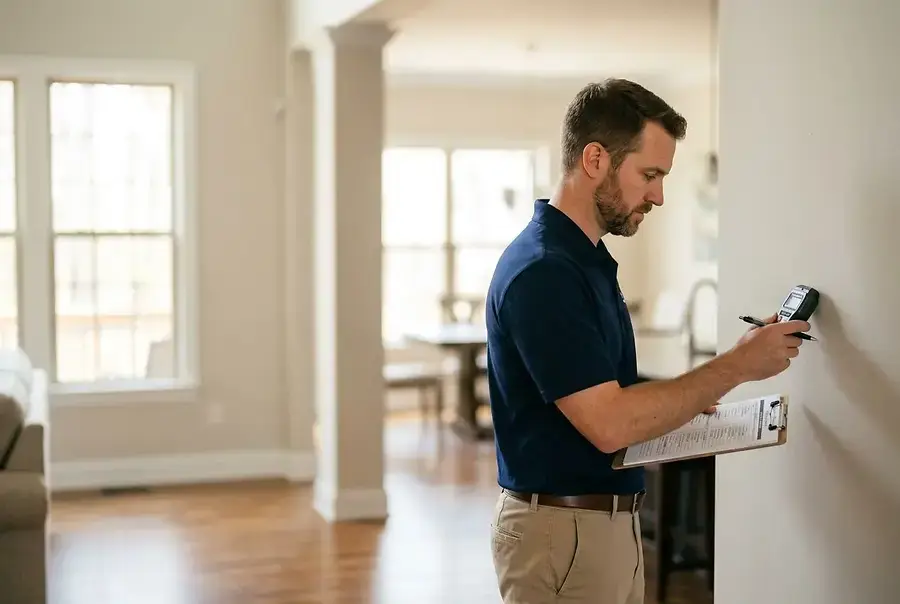
Understanding the Home Inspection Process and What Inspectors Evaluate
A home inspection is one of the most critical steps in the home-buying process. This thorough examination of a property's condition provides you with essential information before making one of the largest investments of your life. In North Gwinnett, where the real estate market is booming, understanding what inspectors look for can give you a significant advantage.
The Inspection Timeline and Process
A typical home inspection takes between two to four hours, depending on the property's size and age. The inspector will examine both the interior and exterior of the home, creating a detailed report of their findings. You should always attend the inspection to ask questions and understand potential issues firsthand.
During the inspection, professionals evaluate:
- Structural integrity and foundation
- Roofing condition and remaining lifespan
- HVAC systems and air quality
- Plumbing and water systems
- Electrical systems and safety
- Insulation and ventilation
- Windows, doors, and exterior siding
- Appliances and built-in systems
What Makes a Professional Inspector
Choose an inspector who is licensed and certified in Georgia. Look for membership in organizations like the American Society of Home Inspectors (ASHI) or the National Association of Home Inspectors (NAHI). These professionals carry liability insurance and follow strict ethical standards.
Common Issues Found in North Gwinnett Homes: Age, Climate, and Construction Factors
North Gwinnett's diverse housing stock ranges from newer developments to established neighborhoods. Understanding region-specific issues helps you anticipate potential problems.
Climate-Related Concerns
Georgia's humid subtropical climate creates unique challenges for homeowners. Moisture intrusion is the most common issue inspectors find in the area. High humidity can lead to:
- Mold growth in attics and crawl spaces
- Wood rot in fascia and soffits
- Basement dampness and water seepage
- HVAC system strain and efficiency loss
Age-Related Issues
Homes built before the 1990s may contain outdated electrical systems that cannot handle modern power demands. Older plumbing may use galvanized pipes prone to corrosion. Asbestos in insulation and roofing materials is another concern in pre-1980s homes.
Construction Quality Variations
North Gwinnett's rapid growth means varying construction standards. Newer subdivisions may have:
- Foundation settling issues in the first few years
- Incomplete or improper grading causing drainage problems
- Rushed construction leading to punch-list items
- Warranty claim opportunities for defects
Pro Tip: Ask your inspector specifically about issues common to your home's age and the subdivision where it's located. They can provide valuable insights based on their experience in North Gwinnett.
Using Inspection Reports to Negotiate and Make Informed Offers
The inspection report is your negotiating tool. A detailed report categorizes issues by severity and estimated repair costs, giving you concrete data for discussions.
Interpreting the Report
Reports typically classify findings as:
- Critical Issues: Safety hazards requiring immediate attention (electrical problems, structural damage)
- Major Issues: Significant repairs needed soon (roof replacement, HVAC failure)
- Minor Issues: Maintenance items or cosmetic concerns
Negotiation Strategies
You have several options after receiving the inspection report:
- Request repairs: Ask the seller to fix critical and major issues before closing
- Request credits: Negotiate a price reduction to cover repair costs yourself
- Request inspections: Ask for specialized inspections (termite, radon, mold) for specific concerns
- Renegotiate the offer: Adjust your purchase price based on findings
In North Gwinnett's competitive market, be strategic. Prioritize critical safety issues in negotiations rather than cosmetic concerns. Sellers are more likely to agree to essential repairs than minor updates.
When to Walk Away
If the inspection reveals extensive damage that would cost more to repair than the home's value, or if critical systems are failing, reconsider your offer. Your inspector can help you understand whether issues are fixable or indicate deeper problems.
Protecting Your Investment: Next Steps After the Inspection
The inspection doesn't end when you receive the report. Smart buyers take additional steps to protect their investment.
Specialized Inspections
Consider these additional inspections based on your home's condition:
- Termite/Pest Inspection: Essential in Georgia; reveals wood-destroying insect damage
- Radon Testing: Colorless, odorless gas that poses health risks
- Mold Inspection: Particularly important given North Gwinnett's humidity
- Septic System Inspection: If the home uses a septic system
- Well Water Testing: For homes with private wells
Documentation and Warranties
Request all available documentation from the seller, including:
- Previous inspection reports
- Repair receipts and warranties
- HVAC maintenance records
- Roof warranty information
- Appliance manuals and warranties
Planning Your First Year
Use the inspection report to prioritize maintenance and repairs for your first year of ownership. Address critical issues immediately, schedule major repairs during appropriate seasons, and budget for preventative maintenance.
Create a home maintenance calendar to track:
- HVAC filter changes (every 1-3 months)
- Gutter cleaning (spring and fall)
- Roof inspections (annually)
- Foundation monitoring (if settling was noted)
- Plumbing inspections (every 5 years)
Building Your Support Network
Establish relationships with qualified contractors in North Gwinnett before you need them. Ask your inspector for referrals to trusted professionals. Having reliable contacts for plumbing, electrical, roofing, and HVAC work ensures you can address issues quickly and affordably.
Conclusion: A thorough home inspection is your best defense against costly surprises. By understanding what inspectors evaluate, recognizing North Gwinnett-specific issues, using reports strategically in negotiations, and taking proactive steps after purchase, you'll protect your investment and enjoy your new home with confidence. Take the inspection process seriously—it's worth every minute and dollar invested.