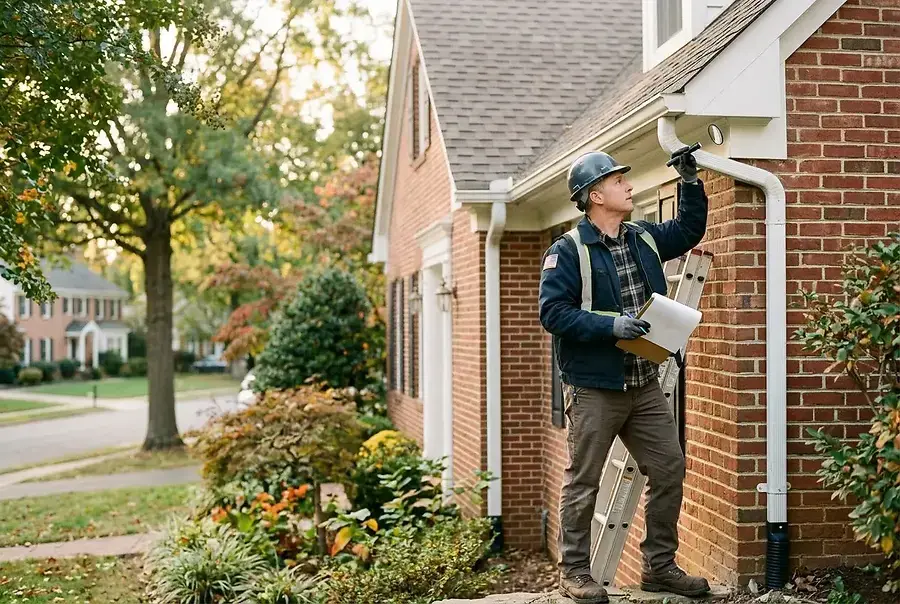
Introduction: Why Home Inspections Matter in Northern Virginia
Purchasing a home in Northern Virginia is one of the most significant investments you'll make in your lifetime. With the region's competitive real estate market and diverse housing stock ranging from historic townhouses to modern suburban homes, a thorough home inspection is not just recommended—it's essential. A professional home inspection provides you with a detailed assessment of the property's condition, helping you identify potential issues before they become expensive problems.
In Northern Virginia's fast-paced market, many buyers feel pressured to make quick decisions. However, skipping or rushing through a home inspection can lead to costly surprises after closing. Whether you're buying a charming Arlington colonial or a newer Fairfax home, understanding what inspectors look for will empower you to make informed decisions and negotiate effectively.
Key Areas Inspectors Check: Foundation, Roof, HVAC, and Plumbing Systems
Foundation and Structural Integrity
The foundation is the backbone of any home. Professional inspectors examine the foundation for cracks, settling, water damage, and signs of structural movement. In Northern Virginia, where soil composition varies significantly across the region, foundation issues can be particularly common in older homes. Inspectors look for:
- Horizontal or diagonal cracks in basement walls
- Evidence of water intrusion or dampness
- Uneven floors or doors that don't close properly
- Signs of previous repairs or patching
Why it matters: Foundation repairs can cost thousands of dollars, making this one of the most critical areas to assess before purchase.
Roof Condition and Longevity
Your roof protects everything beneath it, making its condition crucial. Inspectors evaluate the roof's age, material type, and overall condition. They look for missing or damaged shingles, improper ventilation, and signs of leaks. Northern Virginia's weather patterns—including heavy snow, ice, and summer storms—can accelerate roof deterioration.
- Shingle condition and remaining lifespan
- Proper flashing around chimneys and vents
- Adequate ventilation and insulation
- Signs of previous leaks or water damage in the attic
Why it matters: A roof replacement can easily exceed $10,000, so understanding its remaining lifespan helps you budget for future maintenance.
HVAC Systems
Heating, ventilation, and air conditioning systems are vital for comfort and energy efficiency. Inspectors test both heating and cooling systems to ensure they operate properly. They also assess the age of the equipment and whether it's appropriately sized for the home. In Northern Virginia's variable climate, a well-functioning HVAC system is essential year-round.
- Age and condition of furnace and air conditioning units
- Proper airflow and temperature control
- Ductwork integrity and insulation
- Thermostat functionality
Why it matters: HVAC repairs or replacements can be expensive, and an aging system may need attention soon after purchase.
Plumbing Systems
Inspectors examine water supply lines, drainage systems, and fixtures throughout the home. They check for leaks, corrosion, and proper water pressure. In Northern Virginia, older homes may have outdated plumbing materials that could require replacement. Inspectors also verify that the water heater is functioning properly and assess its remaining lifespan.
- Water pressure and flow rate
- Signs of leaks under sinks and around toilets
- Condition of water heater and age
- Proper drainage and venting
- Presence of outdated materials like galvanized pipes
Why it matters: Plumbing issues can lead to water damage, mold, and costly repairs if not addressed promptly.
Red Flags and Common Issues Found in Northern Virginia Homes
Water Damage and Moisture Issues
Northern Virginia's humid climate and occasional heavy rainfall make water damage a common concern. Look for stains on ceilings, walls, or in basements. Mold growth, musty odors, and efflorescence (white mineral deposits) on basement walls are all warning signs. These issues can indicate roof leaks, poor drainage, or foundation cracks.
Outdated Electrical Systems
Older homes in Northern Virginia may have outdated electrical panels or insufficient capacity for modern appliances. Inspectors check for aluminum wiring, which poses fire hazards, and verify that the electrical system meets current safety codes. Inadequate grounding or overloaded circuits are serious concerns.
HVAC System Age and Efficiency
Many Northern Virginia homes have aging HVAC systems that are nearing the end of their lifespan. Units over 15 years old may be less efficient and prone to breakdowns. Inspectors will note the age and condition, helping you anticipate replacement costs.
Roof and Attic Problems
Inadequate attic ventilation, missing insulation, and roof damage are frequently discovered during inspections. These issues can lead to energy loss, ice dams in winter, and premature roof deterioration. Proper attic ventilation is especially important in Northern Virginia's climate.
Pest Infestations
Termites, carpenter ants, and other pests can cause significant structural damage. Inspectors look for evidence of pest activity, including mud tubes, damaged wood, and droppings. Northern Virginia's wooded areas make pest issues more common in some neighborhoods.
Basement and Foundation Concerns
Cracks, water seepage, and settling are common in Northern Virginia basements. Hairline cracks may be cosmetic, but larger cracks or those showing signs of active movement warrant further investigation. Efflorescence and dampness indicate moisture problems that need addressing.
Conclusion: Using Inspection Results to Make Confident Offers
A professional home inspection is your opportunity to understand exactly what you're buying. Once you receive the inspection report, review it carefully and don't hesitate to ask your inspector questions about any concerns. Use the findings to make informed decisions about your offer, negotiate repairs or credits, or request a price reduction.
In Northern Virginia's competitive market, having a thorough inspection report gives you leverage and peace of mind. Whether issues are minor maintenance items or major concerns, you'll have the information needed to move forward confidently. Remember, the cost of a professional inspection is a small investment compared to the potential savings from identifying problems before purchase.
Work closely with your real estate agent and inspector to prioritize concerns based on severity and cost. Some issues may be deal-breakers, while others might be acceptable if the price reflects the needed repairs. By understanding what inspectors look for and knowing the common issues in Northern Virginia homes, you're taking a crucial step toward making a smart, informed home purchase.