Introduction: Why Professional Home Inspections Are Critical in South Florida's Climate
South Florida's unique climate presents distinct challenges for homeowners and property investors. The combination of intense heat, humidity, salt air, and hurricane-force winds creates an environment where homes require specialized attention during the inspection process. Whether you're buying in Boca Raton, Delray Beach, or surrounding communities, a professional home inspection is not just recommended—it's essential to protecting your investment.
The tropical climate accelerates wear and tear on building materials, from corroded metal fixtures to deteriorated roofing systems. Additionally, the region's high water table and flood risks demand thorough evaluation of drainage systems and foundation integrity. A comprehensive inspection can reveal hidden problems that could cost thousands to repair after purchase.
What Inspectors Examine: Key Areas in Coastal and Inland Properties
Roof and Exterior Structures
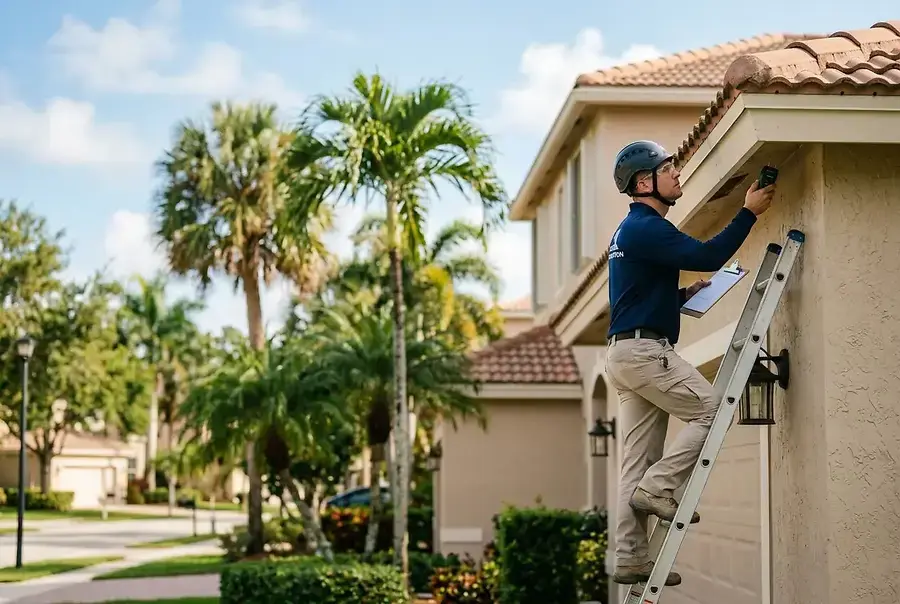
South Florida inspectors pay particular attention to roofing materials, as they're constantly exposed to intense UV rays and salt spray. Inspectors look for:
- Missing, cracked, or curled shingles
- Rust or corrosion on metal components
- Proper flashing around chimneys and vents
- Signs of water damage or leaks
- Hurricane-resistant reinforcements and tie-downs
The exterior walls, including stucco, siding, and paint, are also examined for cracks, peeling, and water infiltration—common issues in humid coastal environments.
Foundation and Structural Integrity
Given South Florida's sandy soil composition and proximity to water, foundation issues are a major concern. Inspectors evaluate:
- Cracks in the foundation or concrete slab
- Signs of settling or shifting
- Water intrusion in basements or crawl spaces
- Proper grading and drainage away from the structure
- Pier and beam systems in elevated homes
Plumbing and Water Systems
Corrosion from salt air and mineral-rich water is a significant issue in South Florida. Inspectors examine:
- Copper and PVC pipe conditions
- Water pressure and flow rates
- Septic systems or municipal connections
- Water heater age and functionality
- Evidence of leaks or water damage
HVAC and Electrical Systems
Air conditioning systems work overtime in South Florida's heat. Inspectors assess:
- AC unit age and maintenance records
- Proper refrigerant levels
- Electrical panel condition and capacity
- Grounding and surge protection
- Compliance with current electrical codes
Flood and Water Damage Assessment
This is critical in South Florida, especially in coastal areas and flood-prone zones. Inspectors look for:
- Evidence of previous flooding or water damage
- Mold and mildew growth
- Proper elevation and flood vents
- Sump pump functionality
- Flood insurance requirements and costs
Common South Florida Home Issues and How to Address Them Before Closing
Mold and Moisture Problems
The humid climate creates ideal conditions for mold growth. Address this by ensuring proper ventilation, fixing leaks immediately, and maintaining dehumidifiers in vulnerable areas. If mold is detected during inspection, request remediation before closing or negotiate a price reduction.
Rust and Corrosion
Metal components deteriorate quickly in South Florida's salty air. Inspect air conditioning units, metal roofing, and outdoor fixtures closely. Sellers should consider replacing heavily corroded items or offering credits for replacement costs.
Roof Damage and Age
Most South Florida roofs need replacement every 15-20 years due to harsh weather conditions. If your inspection reveals an aging roof, negotiate repair or replacement before closing, or factor replacement costs into your offer.
Foundation Cracks and Settlement
Minor cracks are common, but significant structural issues require professional assessment. Request a structural engineer's evaluation if concerns arise. Sellers may need to provide repair estimates or credits.
Outdated Electrical Systems
Older homes may have insufficient electrical capacity for modern appliances and air conditioning demands. Upgrading the electrical panel can be expensive, so this should be negotiated during the inspection contingency period.
Plumbing Corrosion
Corroded pipes can affect water quality and pressure. If extensive corrosion is found, request a full replumbing estimate and negotiate accordingly. This is a significant expense that should be addressed before purchase.
Conclusion: Using Inspection Reports to Make Confident Real Estate Decisions
A comprehensive home inspection is your opportunity to understand the true condition of your potential investment. In South Florida's challenging climate, professional inspections reveal issues that could otherwise cost tens of thousands in repairs.
Key takeaways for buyers: Use inspection findings to negotiate repairs, replacements, or price reductions. Never waive the inspection contingency, and always hire a licensed, experienced inspector familiar with South Florida properties.
Key takeaways for sellers: Address known issues proactively before listing. A pre-listing inspection can help you price competitively and avoid last-minute negotiations that could derail a sale.
Whether you're in Boca Raton, Delray Beach, or anywhere in South Florida, investing in a thorough home inspection protects your financial interests and gives you peace of mind. Don't let hidden problems become expensive surprises—make the inspection report your guide to confident real estate decisions.