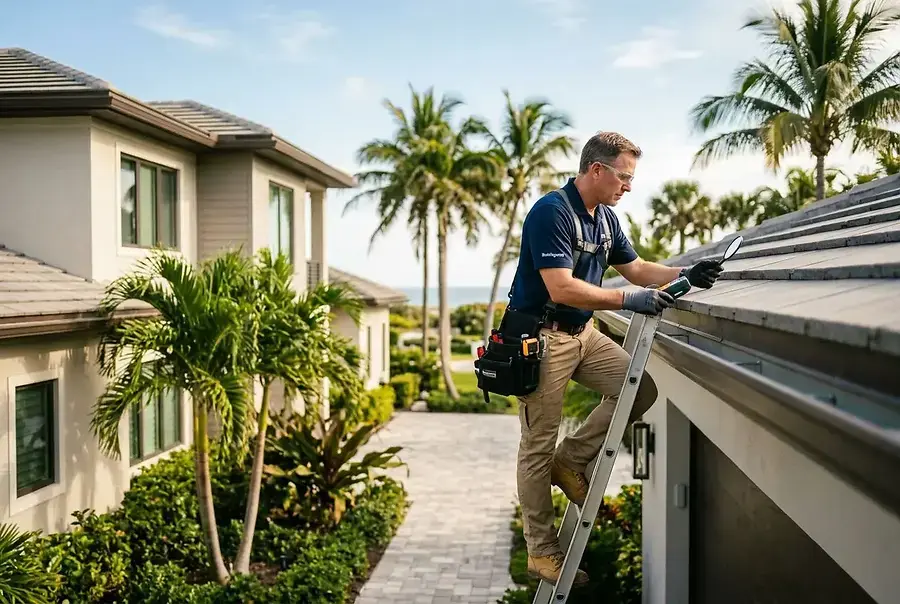
Why Home Inspections Matter in South Florida's Climate
Purchasing a home in South Florida is a significant investment, and understanding the importance of a thorough home inspection is crucial. The region's unique climate—characterized by intense heat, humidity, salt air, and hurricane season—creates specific challenges that standard inspections in other areas may not address. A comprehensive inspection protects your investment by identifying potential issues before they become costly problems.
South Florida's environmental factors accelerate wear and tear on properties. Salt air corrodes metal components, moisture promotes mold growth, and intense UV rays damage roofing materials and exterior finishes. Additionally, the region's high water table and proximity to the ocean create drainage and foundation concerns that inspectors must carefully evaluate. Without a proper inspection, you could inherit expensive repairs that significantly impact your property's value and your quality of life.
Key Areas Inspectors Examine in Coastal Properties
Roof and Exterior Structures
Your roof is your home's first line of defense against South Florida's weather. Inspectors examine shingles for deterioration, checking for missing pieces, curling, or granule loss. They assess the condition of flashing around chimneys and vents, as these areas are vulnerable to water intrusion. Metal roofing components are evaluated for rust and corrosion, which is particularly important in coastal areas where salt spray accelerates degradation.
The exterior envelope—including walls, siding, and trim—receives careful attention. Inspectors look for cracks in stucco, paint peeling, and signs of water damage. They examine windows and doors for proper sealing and functionality, as these are critical barriers against moisture infiltration.
Foundation and Structural Integrity
South Florida's sandy soil and high water table create unique foundation challenges. Inspectors assess the foundation for cracks, settling, or signs of water damage. They evaluate drainage systems around the property, as poor drainage can lead to foundation problems and basement flooding. Moisture intrusion is a primary concern, and inspectors use specialized equipment to detect dampness in crawl spaces and basements.
HVAC and Moisture Control Systems
Air conditioning systems work overtime in South Florida's climate. Inspectors test HVAC functionality, check refrigerant levels, and examine ductwork for leaks. They also evaluate dehumidification systems, which are essential for controlling the region's persistent humidity. Proper moisture control prevents mold growth and structural damage, making this assessment critical.
Plumbing and Water Systems
Inspectors examine all visible plumbing, checking for leaks, corrosion, and proper water pressure. In coastal areas, they pay special attention to water supply lines and drainage systems. They test water quality and check for signs of saltwater intrusion, which can compromise pipes and fixtures. Sump pump systems are evaluated for proper operation, as these are vital for managing water in flood-prone areas.
Electrical Systems
A thorough electrical inspection includes checking the main panel, circuit breakers, and visible wiring. Inspectors verify that the system meets current code requirements and can handle the demands of modern appliances. They assess grounding and bonding, which are particularly important in coastal properties where lightning strikes are more common.
Pest and Mold Assessment
South Florida's warm, humid climate is ideal for termites, cockroaches, and other pests. Inspectors look for signs of infestation and structural damage caused by wood-destroying insects. Mold inspection is essential, as the region's moisture levels create favorable conditions for mold growth. Inspectors check attics, crawl spaces, and areas around plumbing for mold or mildew.
Red Flags and How to Interpret Inspection Reports
Understanding Report Categories
Inspection reports typically categorize findings by severity. Critical issues require immediate attention and may affect your decision to purchase. Major concerns should be addressed before closing, while minor issues can often be negotiated or handled after purchase. Understanding these categories helps you prioritize repairs and budget accordingly.
Common Red Flags in South Florida
Several issues are particularly concerning in this region:
- Active water intrusion or moisture damage—indicates potential mold and structural problems
- Roof damage or age—replacement costs are significant and urgent in hurricane season
- Foundation cracks or settling—may indicate serious structural issues
- Evidence of termite or pest damage—can compromise structural integrity
- Outdated electrical systems—may not meet current safety standards or insurance requirements
- Non-functional HVAC or dehumidification—essential for comfort and property preservation
- Inadequate drainage or flood history—critical in flood-prone areas
Asking the Right Questions
Don't hesitate to ask your inspector to clarify findings. Request specific information about repair costs, urgency, and whether issues are cosmetic or structural. Ask about the age of major systems and their expected lifespan. Understanding the "why" behind each finding helps you make informed decisions about your purchase.
Next Steps After Your Inspection: Making Informed Decisions
Negotiating Repairs and Credits
Armed with your inspection report, you have leverage in negotiations. You can request that the seller repair critical issues before closing, provide credits toward repairs, or reduce the purchase price. Prioritize critical and major issues in your negotiations, as these directly impact safety and property value.
Obtaining Specialized Inspections
If the general inspection reveals concerns, consider specialized inspections. A mold inspector can assess moisture issues, a structural engineer can evaluate foundation problems, and a pest control specialist can confirm termite damage. These additional inspections provide detailed information for negotiation and planning.
Planning Your Maintenance Strategy
Use the inspection report to develop a maintenance plan. Address critical issues immediately after closing. Schedule regular maintenance for HVAC systems, roof inspections, and drainage maintenance. Proactive maintenance prevents small issues from becoming expensive problems in South Florida's challenging climate.
Working with Your Real Estate Team
Your real estate agent and inspector are valuable resources. They understand local market conditions and can advise on typical repair costs and timelines. They can also recommend qualified contractors for addressing identified issues. Collaboration with your team ensures you make decisions based on complete information.
A thorough home inspection is your best protection as a South Florida property buyer. By understanding what inspectors examine, recognizing red flags, and taking informed action, you protect your investment and ensure your new home is safe, sound, and ready for years of enjoyment in paradise.