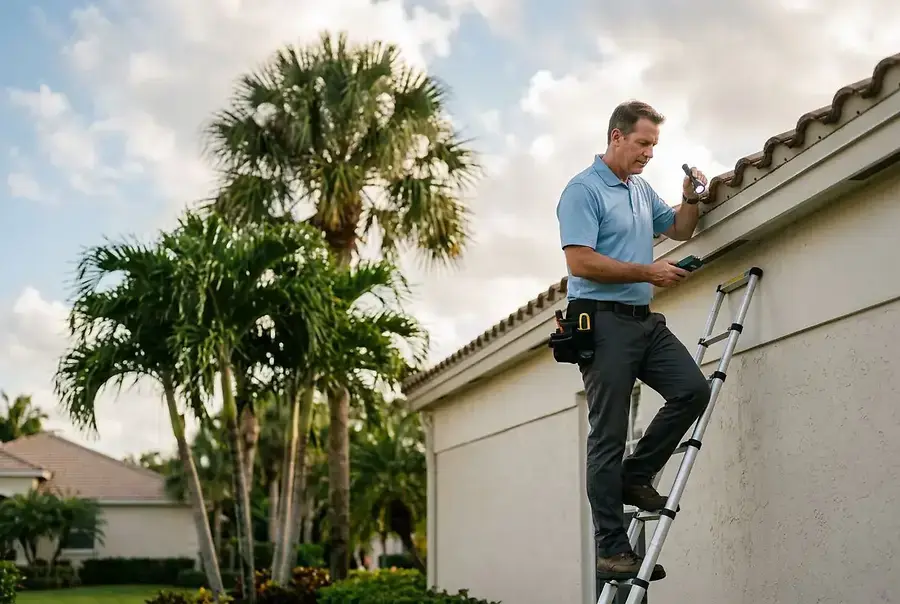
Understanding South Florida's Unique Home Inspection Challenges
Purchasing a home in South Florida requires a different approach than buying property in other regions. The tropical climate, high humidity, salt air, and hurricane exposure create unique challenges that standard home inspections must address. Whether you're looking at properties in Palm Beach Gardens, Jupiter, Hobe Sound, Stuart, West Palm Beach, or Fort Lauderdale, understanding these regional factors is essential.
South Florida's environmental conditions accelerate wear and tear on homes. Salt air corrodes metal components, moisture promotes mold growth, and intense sun exposure damages roofing materials and exterior finishes. Additionally, the risk of flooding and hurricane damage means structural integrity is paramount. A thorough inspection tailored to South Florida conditions can reveal hidden problems before you commit to a purchase.
Why South Florida Inspections Differ
Unlike northern properties, South Florida homes face constant moisture challenges. The combination of high humidity, frequent rain, and proximity to the ocean creates an environment where water intrusion, mold, and rust are common issues. Hurricane preparedness is another critical factor—inspectors must evaluate whether a property can withstand severe weather events.
- Moisture and mold damage from humidity and rainfall
- Corrosion of metal fixtures and structural components
- Roof deterioration from UV exposure and salt air
- Foundation and structural concerns related to flooding
- HVAC system strain from constant cooling demands
Critical Areas to Evaluate: From Foundation to Roof
Foundation and Structural Integrity
South Florida's foundation issues often stem from soil composition and water management. Many properties sit on limestone or sandy soil that can shift or settle. Inspectors should check for cracks, uneven floors, and signs of water damage in crawl spaces or basements. Look for evidence of previous flooding, which can compromise structural integrity and indicate future risk.
Roof and Exterior
The roof is your home's first line of defense against South Florida's weather. Inspectors evaluate:
- Shingle condition and age (most roofs last 15-20 years in this climate)
- Proper ventilation and attic conditions
- Flashing around chimneys, vents, and skylights
- Signs of leaks or water staining
- Hurricane-resistant features and tie-downs
The exterior also matters significantly. Check for salt-air damage to siding, paint peeling, and corrosion on metal components. Windows and doors should seal properly to prevent water intrusion during heavy rains.
Plumbing and Water Systems
Corrosion is a major concern in South Florida plumbing. Copper pipes may show signs of deterioration, and older homes might have outdated materials prone to failure. Inspectors test water pressure, check for leaks, and evaluate the water heater's condition. Hard water is common in the region, which can affect appliances and fixtures over time.
HVAC Systems
Air conditioning systems work overtime in South Florida. Inspectors verify that units are properly sized, well-maintained, and functioning efficiently. They check refrigerant levels, ductwork integrity, and thermostat operation. A failing AC system can be expensive to replace, so this evaluation is crucial.
Electrical and Pest Control
Electrical systems should meet current codes and handle the demands of modern appliances and cooling systems. Inspectors look for outdated wiring, overloaded circuits, and grounding issues. Additionally, pest inspections are highly recommended in South Florida, where termites, cockroaches, and other insects thrive in the warm, humid climate.
Working with Local Inspectors and Reading Your Report
Choosing the Right Inspector
Select an inspector with extensive experience in South Florida properties. They should be licensed, insured, and familiar with regional building codes and climate-specific issues. Ask for references and verify their credentials. Local inspectors understand the unique challenges of properties in Palm Beach Gardens, Jupiter, Hobe Sound, Stuart, West Palm Beach, and Fort Lauderdale.
What to Expect During the Inspection
Plan to be present during the inspection, which typically takes 2-4 hours. The inspector will examine the property systematically, documenting findings with photos and notes. Ask questions throughout the process—this is your opportunity to understand potential issues and their severity.
Understanding Your Inspection Report
The inspection report categorizes findings by severity:
- Critical Issues: Problems affecting safety or structural integrity that require immediate attention
- Major Issues: Significant repairs needed within the next few years
- Minor Issues: Maintenance items or cosmetic concerns
- Recommendations: Suggestions for improvements or further evaluation
Don't ignore minor issues—they can compound over time in South Florida's climate. A small roof leak or minor plumbing issue can become expensive if left unaddressed.
Next Steps: Using Inspection Findings in Your Offer
Negotiating Based on Inspection Results
Once you have the inspection report, you have several options. You can request repairs from the seller, ask for a price reduction, or request a credit at closing. In competitive South Florida markets, sellers may be unwilling to make repairs, so a price reduction is often more realistic.
Prioritize critical and major issues in your negotiations. Don't get bogged down in minor cosmetic concerns—focus on items that affect safety, functionality, or long-term durability.
Getting Additional Inspections
For significant findings, consider specialized inspections:
- Roof Inspection: A roofing specialist can provide detailed assessment and repair estimates
- Mold Inspection: If moisture issues are suspected, a mold specialist can test for contamination
- Pest Inspection: Essential in South Florida to detect termites and other infestations
- Pool/Spa Inspection: If the property has a pool, hire a specialist to evaluate its condition
Making Your Final Decision
Use the inspection report to make an informed decision.
A thorough inspection protects your investment and prevents costly surprises after closing.If major issues exist and the seller won't negotiate, you have the right to walk away. In South Florida's real estate market, there are always other properties available.
Remember, the inspection period is your opportunity to uncover problems before you're legally bound to the purchase. Take it seriously, ask questions, and don't hesitate to seek professional advice when evaluating significant findings.