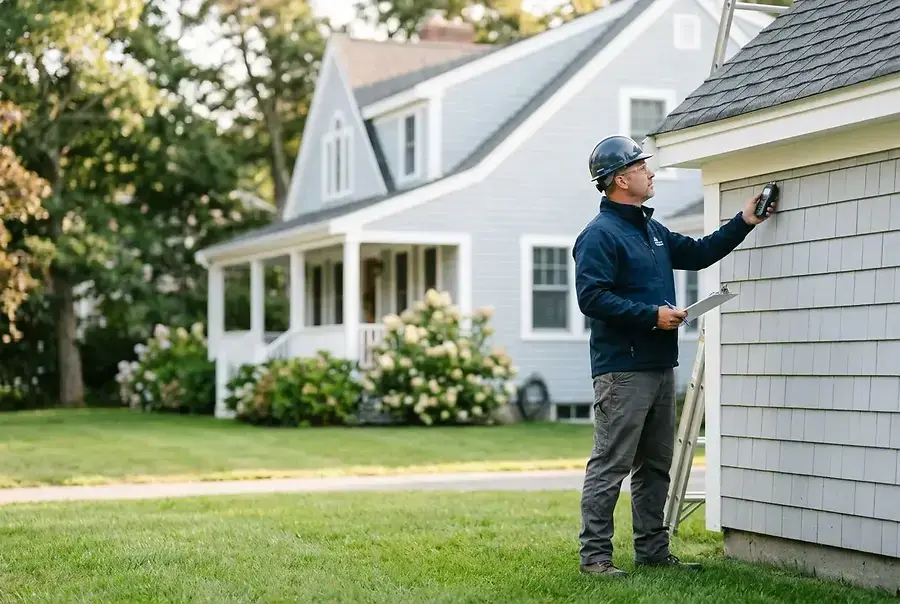
Why Home Inspections Matter in Competitive Markets
In today's competitive real estate landscape, a home inspection is one of the most critical steps in the buying process. For South Shore residential buyers, this professional evaluation can mean the difference between a sound investment and a costly mistake. A thorough home inspection provides an objective assessment of a property's condition, revealing hidden issues that could impact your safety, comfort, and financial security.
Many buyers skip or rush through inspections to stay competitive in fast-moving markets, but this approach can backfire. An inspection report gives you leverage in negotiations and protects you from inheriting expensive repairs. Whether you're a first-time buyer or an experienced investor, understanding what inspectors look for is essential to making informed decisions.
Common Issues Found in South Shore Properties and Red Flags to Watch
Moisture and Water Damage
South Shore properties face unique challenges due to their proximity to coastal environments. Moisture intrusion and water damage are among the most common issues inspectors discover. Look for:
- Stains on ceilings and walls indicating roof leaks
- Damp basements or crawl spaces
- Mold growth in bathrooms, kitchens, or attics
- Deteriorating wood framing or subflooring
Foundation and Structural Concerns
The foundation is your home's backbone. Inspectors carefully examine for cracks, settling, or shifting that could indicate serious structural problems. Even minor cracks can worsen over time, so it's important to understand their severity and potential causes.
Roofing and Exterior Issues
South Shore homes experience harsh weather conditions, making roof inspections particularly important. Common findings include:
- Missing or damaged shingles
- Deteriorated flashing around chimneys and vents
- Gutter and downspout problems
- Siding damage or rot
- Compromised weatherproofing
HVAC and Electrical Systems
Heating, ventilation, and air conditioning systems should be evaluated for age, maintenance, and functionality. Similarly, electrical systems must meet current safety codes. Outdated wiring, insufficient outlets, and overloaded circuits are red flags that require immediate attention.
Plumbing Problems
Water quality and pressure issues are common in older South Shore homes. Inspectors test water flow, check for leaks, and identify outdated or corroded pipes. Galvanized or polybutylene pipes may need replacement, which can be a significant expense.
The Home Inspection Process: What to Expect and Questions to Ask
Before the Inspection
Schedule your inspection within your contingency period, ideally within 7-10 days of your offer being accepted. Hire a certified, licensed inspector with experience in South Shore properties. Ask for references and verify their credentials through your state's licensing board.
During the Inspection
Plan to be present during the inspection, which typically lasts 2-4 hours depending on the property's size. The inspector will systematically examine:
- Roof condition and attic space
- Foundation and basement or crawl space
- Exterior walls, windows, and doors
- Interior walls, ceilings, and floors
- Kitchen and bathroom fixtures
- Electrical panel and outlets
- Plumbing system and water heater
- HVAC equipment
- Insulation and ventilation
Take notes and ask questions throughout the process. Understanding the inspector's findings in real-time helps you make better decisions later.
Key Questions to Ask Your Inspector
Don't hesitate to ask clarifying questions. Your inspector should explain findings in terms you understand and provide context for any concerns.
- What is the estimated lifespan of major systems like the roof and HVAC?
- Are there any safety hazards that need immediate attention?
- What repairs are cosmetic versus structural?
- How much would recommended repairs likely cost?
- Are there signs of pest infestation or asbestos?
- What maintenance issues could become serious problems if ignored?
After the Inspection
You'll receive a detailed inspection report within 24-48 hours. Review it carefully and discuss findings with your real estate agent. Use the report strategically to negotiate repairs, credits, or price reductions. Prioritize major structural or safety issues over minor cosmetic concerns.
Using Inspection Reports to Negotiate and Make Informed Decisions
An inspection report is your negotiating tool. If significant issues are discovered, you have several options:
- Request repairs: Ask the seller to fix major issues before closing
- Negotiate credits: Request a credit toward closing costs to handle repairs yourself
- Renegotiate price: Use findings to justify a lower offer
- Walk away: If issues are too extensive, you can terminate the contract
Be strategic in your negotiations. Focus on items that affect safety, structural integrity, or major systems. Sellers are more likely to address these than minor cosmetic issues.
Remember that no home is perfect. The goal isn't to find a flawless property but to understand what you're buying and make an informed decision. Some issues are deal-breakers, while others are manageable expenses you can budget for.
By taking the home inspection seriously and using the report wisely, you're protecting your investment and ensuring peace of mind in your new South Shore home. A thorough inspection today prevents costly surprises tomorrow.