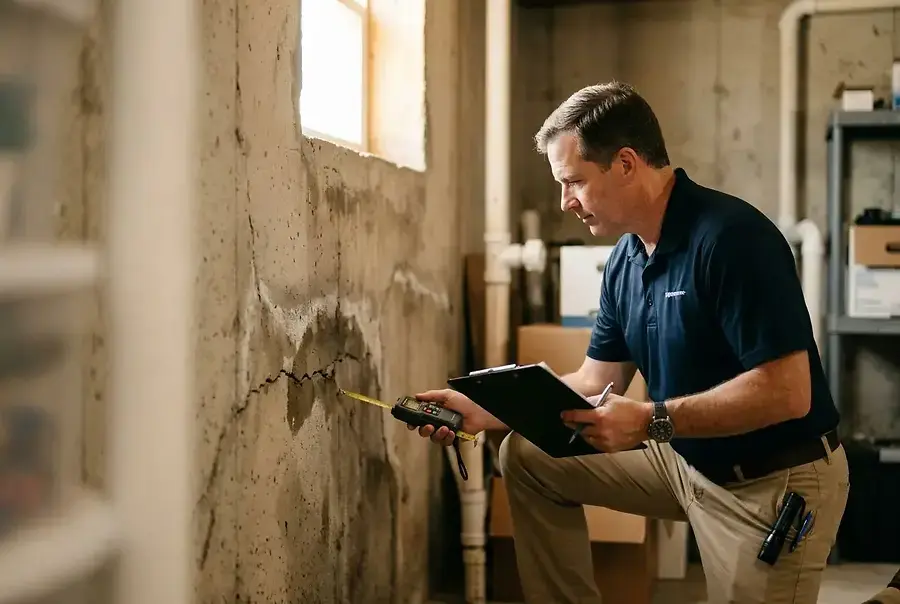
Why Home Inspections Matter in South Texas
Purchasing a home is one of the most significant financial decisions you'll make in your lifetime. In South Texas, where the climate and soil conditions present unique challenges, a thorough home inspection becomes even more critical. The region's expansive clay soils, intense heat, and occasional flooding can impact properties in ways that aren't immediately visible to the untrained eye.
A professional home inspection serves as your safeguard against costly surprises after closing. It provides an objective assessment of the property's condition and helps you negotiate repairs or price adjustments before finalizing your investment. For San Antonio-area buyers, understanding what inspectors look for can mean the difference between a sound investment and a financial burden.
Why should you invest in a home inspection? Beyond peace of mind, inspections can reveal issues that affect your safety, comfort, and the property's long-term value. They empower you to make informed decisions based on facts rather than assumptions.
Key Areas to Inspect: Foundation, Plumbing, and HVAC Systems
Foundation Assessment
The foundation is arguably the most critical component of any home, and in South Texas, it deserves special attention. The region's clay-heavy soil expands and contracts with moisture changes, creating stress on foundations. Inspectors will look for:
- Visible cracks in the foundation walls or floor slabs—hairline cracks are common, but wider cracks may indicate serious issues
- Uneven floors or sloping surfaces that suggest foundation settlement
- Water damage or staining indicating past or present moisture problems
- Gaps between walls and doors or windows that suggest structural movement
- Proper drainage around the foundation to prevent water accumulation
Pro tip: Ask your inspector about the age of the home and whether it has had previous foundation repairs. This history can help you understand the property's structural stability.
Plumbing Systems
South Texas water quality and aging infrastructure make plumbing inspections essential. Inspectors evaluate both visible and hidden plumbing components:
- Water pressure and flow from all fixtures to ensure adequate supply
- Pipe materials and condition—older homes may have galvanized or polybutylene pipes that are prone to failure
- Drainage systems to confirm proper slope and function
- Water heater age and condition, including temperature and pressure relief valves
- Signs of leaks under sinks, around toilets, and in crawl spaces or basements
- Septic systems (if applicable) for proper function and maintenance records
Hard water is common in South Texas, so ask about water softening systems and mineral buildup in pipes. These factors can affect long-term plumbing costs.
HVAC Systems
Given South Texas's hot climate, a reliable HVAC system is non-negotiable. Inspectors will assess:
- Age and condition of the air conditioning unit—units typically last 12-15 years
- Proper refrigerant levels and system efficiency
- Ductwork integrity to ensure cool air reaches all areas effectively
- Thermostat functionality and programming capabilities
- Maintenance records showing regular servicing and filter changes
- Heating system condition (if present) for winter months
An aging or poorly maintained HVAC system can cost thousands to replace. Understanding its condition helps you budget for future replacements or negotiate repairs.
Understanding Inspection Reports and Red Flags
Decoding Your Inspection Report
A comprehensive inspection report typically categorizes findings into three levels: safety issues, major repairs needed, and minor maintenance items. Understanding this hierarchy helps you prioritize concerns.
"A good inspection report is your roadmap to understanding the true condition of the property you're about to purchase."
Critical Red Flags to Watch For
Certain findings warrant serious consideration before proceeding with your purchase:
- Structural damage including significant foundation cracks or settling
- Mold or water intrusion indicating moisture control problems
- Outdated electrical systems that pose fire hazards
- Roof damage or age nearing the end of its lifespan
- Pest infestations such as termites or wood-boring insects
- Asbestos or lead paint in older homes requiring professional remediation
Don't ignore red flags hoping they'll resolve themselves. Instead, use them as negotiation points or reasons to request professional follow-up inspections from specialists.
When to Request Additional Inspections
A general home inspection provides a broad overview, but some situations warrant specialized evaluations:
- Pest inspections for termite damage or other infestations
- Radon testing to check for this odorless, radioactive gas
- Mold assessments if moisture issues are suspected
- Septic system evaluations for properties not on municipal sewer
- Pool or spa inspections for proper maintenance and safety
Making Informed Decisions with Inspection Data
Armed with a thorough inspection report, you're positioned to make a confident purchasing decision. Here's how to leverage this information:
Negotiate strategically: Use inspection findings to request repairs, credits, or price reductions. Prioritize major issues over cosmetic concerns.
Plan for maintenance: Even homes in good condition require ongoing maintenance. Use the inspection report to create a maintenance schedule and budget.
Consult your real estate agent: Your agent can help you understand local market conditions and whether inspection findings are typical for homes in the area.
Trust the professionals: If you're uncertain about findings, ask your inspector for clarification or request a follow-up consultation before closing.
A home inspection is an investment in your future. In South Texas, where environmental factors and regional building practices create unique challenges, this investment is particularly valuable. By understanding what to look for and how to interpret findings, you'll navigate the home-buying process with confidence and protect your investment for years to come.
