Understanding Florida-Specific Home Inspection Concerns
Buying a home in Southwest Florida comes with unique challenges that differ significantly from other regions. The coastal climate, high humidity, salt air, and hurricane exposure create specific inspection concerns that every buyer should understand. Unlike properties in other states, Florida homes face distinct environmental pressures that can affect structural integrity and longevity.
The combination of moisture, heat, and salt air accelerates deterioration of building materials. Mold growth is a common concern in Florida's humid environment, and inspectors pay special attention to signs of moisture intrusion. Additionally, the threat of hurricanes means that roof condition, window integrity, and structural reinforcement are critical evaluation points that go beyond standard inspections in other regions.
The Impact of Coastal Climate on Home Structures
Southwest Florida's proximity to the Gulf of Mexico creates an aggressive environment for building materials. Salt air corrodes metal components, including air conditioning units, electrical fixtures, and structural steel. Inspectors specifically look for corrosion damage and recommend protective measures for coastal properties.
The high water table in many Southwest Florida areas also presents drainage challenges. Properties may experience flooding or water seepage during heavy rains or storm surge events. Understanding your property's elevation, drainage systems, and flood zone designation is essential before making an offer.
Critical Systems to Evaluate in Southwest Florida Properties
Roof Condition and Hurricane Preparedness
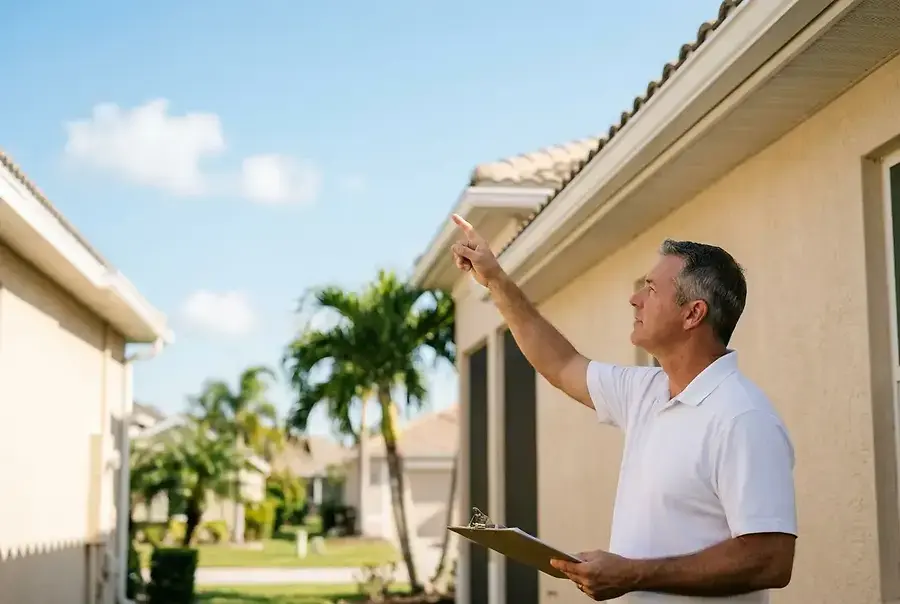
Your roof is your home's first line of defense against Florida's weather. Inspectors examine:
- Roof age and remaining lifespan
- Signs of damage, missing shingles, or deterioration
- Proper fastening and wind resistance ratings
- Flashing integrity around chimneys and vents
- Gutter and drainage system functionality
A roof nearing the end of its life in Florida may require replacement sooner than in other climates due to UV exposure and weather stress. Many insurance companies have specific requirements for roof age and condition in Southwest Florida.
Plumbing and Water Systems
Florida's unique water conditions require special attention to plumbing systems. Inspectors evaluate:
- Water pressure and flow rates
- Corrosion in copper or galvanized pipes
- Water heater condition and age
- Septic system functionality (if applicable)
- Well water quality (for properties with wells)
Hard water is common in Southwest Florida, which can lead to mineral buildup and reduced efficiency in appliances. Many homeowners invest in water softening systems to extend the life of their plumbing and appliances.
Air Conditioning and HVAC Systems
Air conditioning isn't a luxury in Florida—it's essential. Inspectors thoroughly evaluate AC systems because they work year-round in this climate. They check refrigerant levels, compressor function, ductwork integrity, and overall efficiency. A failing AC system can be expensive to replace, so understanding its condition is crucial.
Foundation and Structural Integrity
Florida's sandy soil and high water table create unique foundation challenges. Inspectors look for:
- Cracks in concrete slabs or foundation walls
- Signs of settling or shifting
- Moisture intrusion in crawl spaces
- Proper ventilation and drainage around the foundation
Foundation issues in Florida can be costly to repair, making this one of the most important inspection areas.
Red Flags and How to Respond to Inspection Reports
Common Issues Found in Southwest Florida Homes
Mold and Moisture Damage: This is the most common finding in Florida inspections. While some mold is normal, extensive growth indicates a moisture problem that needs addressing. Request documentation of remediation efforts and ask about the source of moisture.
Roof Damage or Age: If the roof is over 15 years old or shows significant damage, budget for replacement. In Florida's climate, roofs deteriorate faster than in other regions.
Outdated Electrical Systems: Older homes may have aluminum wiring or insufficient electrical capacity. These issues should be addressed by a licensed electrician before purchase.
Plumbing Corrosion: Corroded pipes may need replacement, which can be expensive. Ask the inspector about the extent of corrosion and whether it affects water quality.
Negotiating After Inspection
Once you receive the inspection report, you have several options. You can request repairs, ask for a credit toward repairs, renegotiate the price, or walk away from the deal. In Southwest Florida's competitive market, be strategic about which issues you prioritize. Focus on major structural concerns and systems that are expensive to repair.
Document everything: Keep copies of all inspection reports, repair estimates, and correspondence. This documentation protects you and provides valuable information for future reference.
Making Informed Decisions After Your Inspection
Understanding Inspection Limitations
Home inspections are visual assessments only. Inspectors cannot access areas behind walls or under flooring. They also cannot predict future problems or guarantee that hidden issues don't exist. Understanding these limitations helps you make realistic decisions about your purchase.
When to Hire Specialists
If the general inspection reveals concerns in specific areas, consider hiring specialists:
- Mold Inspectors: For suspected mold problems
- Structural Engineers: For foundation or structural concerns
- Electrical Inspectors: For outdated or problematic electrical systems
- Pest Control Inspectors: For termite or pest damage
- Pool Inspectors: For properties with pools or spas
While these additional inspections cost money, they provide peace of mind and detailed information about expensive systems.
Creating Your Action Plan
After reviewing all inspection reports, create a prioritized list of issues. Address critical safety concerns and major system failures first. Less urgent cosmetic issues can often be handled after purchase or negotiated into the sale price.
Remember: A home inspection is an investment in your peace of mind. The information you gain helps you make an informed decision about one of the largest purchases of your life.
By understanding what inspectors look for, recognizing red flags specific to Southwest Florida, and knowing how to respond to findings, you protect your investment and ensure you're making a sound decision. Take the inspection process seriously, ask questions, and don't hesitate to seek expert advice when needed.