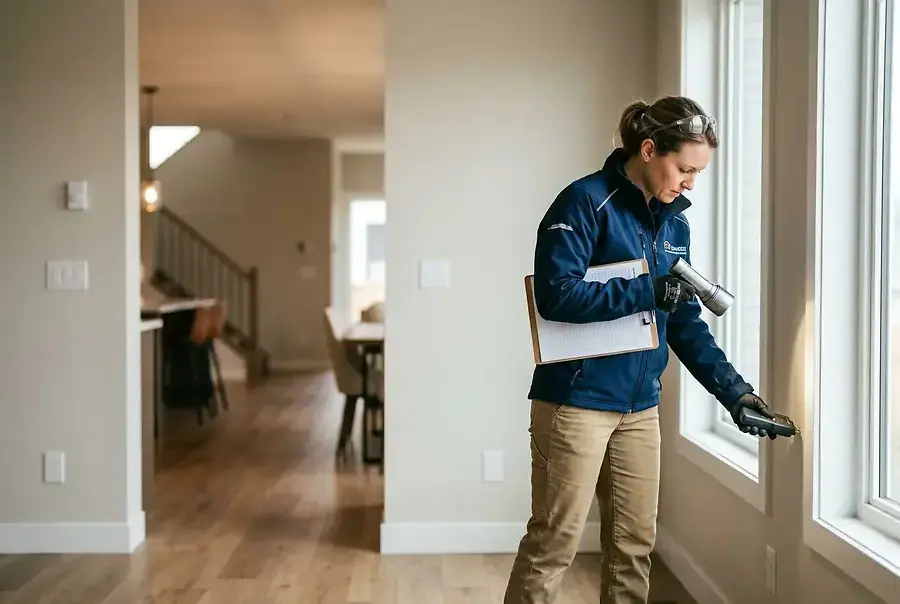
Understanding the Complete Home Inspection Process
A home inspection is one of the most critical steps in the home-buying process. This professional evaluation examines the structural integrity, mechanical systems, and overall condition of a property. For buyers in Texas and Long Island, understanding what happens during an inspection can mean the difference between discovering a minor issue and inheriting a major financial burden.
The inspection typically lasts between two to four hours, depending on the home's size and complexity. A licensed inspector will systematically evaluate every accessible area of the property, documenting findings in a detailed report. This report becomes your roadmap for negotiating repairs, requesting credits, or even walking away from the deal if serious issues emerge.
What to Expect During Your Inspection
Most inspectors will provide you with a written report within 24 to 48 hours of the inspection. The report categorizes findings by severity—from minor cosmetic issues to major structural concerns. Understanding this categorization helps you prioritize which issues truly matter for your investment.
Pro Tip: Always attend the home inspection in person. This allows you to ask questions directly and understand the inspector's concerns firsthand.
Key Areas Inspectors Examine in Texas and Long Island Homes
Roof and Exterior
The roof is your home's first line of defense against the elements. Inspectors examine shingles, flashing, gutters, and drainage systems. In Texas, where intense sun and occasional severe storms are common, roof condition is particularly important. Long Island homes face different challenges, including salt air corrosion and heavy winter weather. Look for signs of wear, missing shingles, or improper repairs.
Foundation and Structural Components
A solid foundation is non-negotiable. Inspectors look for cracks, settling, water intrusion, and signs of structural movement. Both Texas and Long Island properties can experience foundation issues—Texas from soil expansion and contraction, Long Island from freeze-thaw cycles. Any significant structural concerns should be evaluated by a structural engineer before proceeding.
Plumbing Systems
Inspectors test water pressure, check for leaks, examine pipe materials, and verify proper drainage. Older homes in Long Island may have outdated galvanized pipes prone to corrosion. Texas homes should be checked for hard water damage and mineral buildup. The inspector will also evaluate the water heater's age and condition.
Electrical Systems
A thorough electrical inspection includes checking the panel, outlets, switches, and grounding. Outdated wiring, insufficient capacity, or improper installations can pose safety hazards and limit your ability to power modern appliances. This is especially important in older properties where electrical systems may not meet current building codes.
HVAC Systems
Heating and cooling systems are major expenses. Inspectors evaluate the furnace, air conditioning unit, ductwork, and thermostat functionality. In Texas, air conditioning efficiency is critical. Long Island homes need reliable heating systems. The age and maintenance history of these systems directly impact your comfort and utility costs.
Interior Components
Inspectors examine walls, ceilings, floors, doors, windows, and insulation. They look for water damage, mold, pest evidence, and structural issues. Windows and doors should operate smoothly and seal properly. Adequate insulation is essential for energy efficiency in both climates.
Red Flags and How to Negotiate Repairs or Credits
Critical Issues That Require Attention
- Foundation cracks or settling – Can indicate serious structural problems
- Roof damage or age – Replacement costs can exceed $10,000
- Plumbing leaks or outdated systems – Lead to water damage and costly repairs
- Electrical hazards – Safety risks and code violations
- HVAC system failure – Major replacement expense
- Mold or water intrusion – Health concerns and structural damage
- Pest infestation – Requires professional remediation
Negotiation Strategies
Once you receive the inspection report, you have several options. You can request that the seller make repairs before closing, ask for a credit toward closing costs, or request a price reduction. In competitive markets, sellers may be less willing to negotiate, but significant issues give you leverage.
Request repairs for major issues only. Sellers often prefer to provide credits rather than hire contractors. For minor cosmetic issues, it's often better to negotiate a credit and handle repairs yourself after closing.
Get multiple quotes for major repairs. Before negotiating, obtain estimates from licensed contractors. This gives you concrete numbers to present to the seller and strengthens your negotiating position.
Know your walk-away point. Determine in advance which issues would be deal-breakers. If the inspection reveals problems exceeding your threshold, you may have the right to terminate the contract, depending on your inspection contingency.
Making Your Final Decision with Inspection Results in Hand
Evaluating the Complete Picture
The inspection report is a tool for informed decision-making, not a reason for panic. Every home has some issues—the question is whether they're manageable and within your budget. Consider the home's age, location, and market value when evaluating inspection findings.
Questions to Ask Yourself
- Are the issues cosmetic or structural?
- Can I afford to repair these items if the seller won't?
- How do these issues compare to other homes in this price range?
- Will these repairs affect my ability to obtain financing?
- Is this home still a good investment despite the issues?
Moving Forward Confidently
A thorough home inspection protects your investment and provides peace of mind. Whether you're buying in Texas or Long Island, understanding what inspectors examine and how to interpret their findings empowers you to make smart decisions. Use the inspection report as a negotiating tool, not a reason to abandon a home you love. With proper due diligence, you'll close on a property that's a sound investment for years to come.
Remember: A professional home inspection is one of the best investments you can make during the home-buying process. It typically costs $300-$500 but can save you thousands in unexpected repairs.