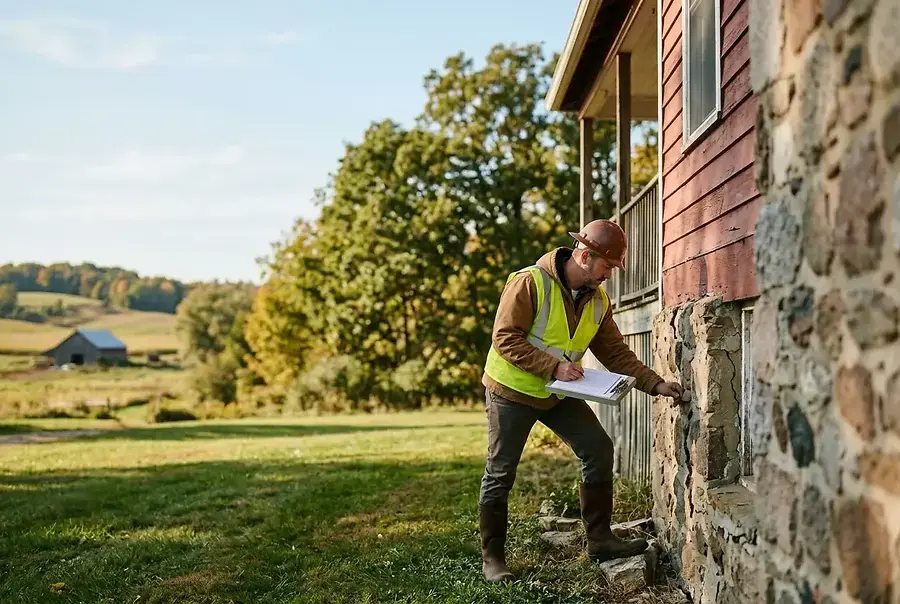
Understanding Rural Property Inspections: What Makes Them Different
Buying a home in rural Wisconsin communities like Amery, Osceola, and Hudson presents unique challenges compared to urban properties. Rural home inspections require specialized knowledge because these properties often operate independently from municipal utilities and infrastructure. Unlike city homes connected to public water and sewer systems, rural properties depend on private wells and septic systems that demand careful evaluation.
Rural inspections also need to account for larger land areas, agricultural considerations, and distance from emergency services. The inspection process becomes more comprehensive, requiring inspectors familiar with Wisconsin's specific climate conditions, soil types, and building codes. Understanding these differences helps you ask the right questions and identify potential issues before they become expensive problems.
Critical Systems to Evaluate in Wisconsin Homes: Septic, Wells, and Foundation
Septic System Inspection
The septic system is arguably the most critical component of a rural Wisconsin home. A failing septic system can cost $10,000 to $25,000 to replace, making thorough inspection essential. During inspection, professionals should pump and visually inspect the tank, check for signs of backup or overflow, and evaluate the drain field condition.
- Verify the system's age and maintenance history
- Look for wet spots or odors near the drain field
- Check for proper distance from wells and property lines
- Ensure the system meets current Wisconsin Department of Safety and Professional Services standards
Well Water System Evaluation
Private wells require comprehensive testing beyond visual inspection. Wisconsin well water should be tested for bacteria, nitrates, and other contaminants. Request a professional water quality test that includes coliform bacteria screening, which is essential for health and safety.
Examine the well's construction, casing condition, and pump functionality. Verify that the well is properly sealed and located at least 50 feet from the septic system. Ask about water pressure, flow rate, and any history of contamination or treatment needs. A reliable well ensures your family's health and property value protection.
Foundation and Structural Assessment
Wisconsin's freeze-thaw cycles create unique foundation challenges. Inspectors should evaluate foundation type—whether concrete, stone, or block—and look for cracks, water intrusion, or settling issues. Proper drainage around the foundation is critical in Wisconsin's climate to prevent water damage and frost heave problems.
Check basement walls for moisture, efflorescence (white mineral deposits), or structural cracks. Verify that gutters and downspouts direct water away from the foundation. In older rural homes, foundation issues may require specialized repair, so detailed documentation is important for negotiation purposes.
Common Issues Found in Older Rural Homes and How to Address Them
Outdated Electrical Systems
Many older Wisconsin rural homes feature outdated electrical systems with aluminum wiring or insufficient capacity for modern appliances. These systems pose fire hazards and may require upgrading to meet current code standards. Budget for potential rewiring costs, which can range from $3,000 to $8,000 depending on the home's size.
Plumbing and Water Damage
Galvanized pipes corrode over time, reducing water pressure and quality. Look for signs of water damage in attics, crawl spaces, and basements. Roof leaks are particularly common in older homes and can lead to structural damage if not addressed promptly. Request a detailed roof inspection and ask about the remaining lifespan of roofing materials.
Insulation and Energy Efficiency
Older rural homes often lack adequate insulation, leading to high heating costs during Wisconsin winters. Check attic insulation levels, wall insulation, and basement insulation. Upgrading insulation can significantly reduce energy bills and improve comfort. This is an excellent negotiation point when reviewing inspection reports.
HVAC System Condition
Heating systems in older homes may be nearing the end of their lifespan. Request maintenance records and have the system professionally evaluated. A new furnace or heat pump installation can cost $5,000 to $10,000, so understanding the system's condition helps with pricing negotiations.
Working with Inspectors and Using Reports to Negotiate Better Deals
Selecting the Right Inspector
Choose a Wisconsin-licensed home inspector with specific experience in rural properties. Ask about their familiarity with septic systems, wells, and older home construction. Request references from previous clients and verify their credentials with the Wisconsin Department of Safety and Professional Services.
A thorough inspector should spend 3-4 hours on a typical rural property and provide detailed written reports with photographs. Don't hesitate to ask questions during the inspection—understanding the findings helps you make informed decisions.
Interpreting Inspection Reports
Inspection reports categorize issues by severity: critical, major, and minor.
Critical issues require immediate attention and significantly impact property value. Major issues should be addressed within a reasonable timeframe, while minor issues are typically cosmetic or low-priority.
Review the report carefully and research any unfamiliar terms. Ask your real estate agent or inspector to clarify findings. Understanding the true cost of repairs helps you determine fair offers and negotiate effectively.
Negotiation Strategies
Use inspection findings to negotiate better deals through several approaches:
- Request seller repairs for critical issues before closing
- Ask for price reductions to cover repair costs you'll handle
- Negotiate extended closing timelines for additional inspections
- Request seller credits for specific repairs or system replacements
Obtain repair estimates from licensed contractors for major issues. Present these estimates to sellers as documentation supporting your negotiation position. In rural Wisconsin, where properties are often unique, detailed inspection reports provide leverage for achieving fair pricing.
Final Considerations
A comprehensive home inspection is your best protection when purchasing rural Wisconsin property. The investment in professional inspection—typically $400 to $600—is minimal compared to potential repair costs. Take time to understand the report, ask questions, and use findings to negotiate confidently. With thorough inspection and careful evaluation, you'll make an informed decision about your rural Wisconsin home purchase.