Introduction: Why Property Tax Knowledge Matters for WNY Homeowners
Property taxes represent one of the largest ongoing expenses for homeowners in Western New York. Whether you own a home in Buffalo, Amherst, Cheektowaga, or any surrounding suburb, understanding how your property taxes are calculated is essential to managing your finances and protecting your investment. Many homeowners pay their property tax bills without fully grasping what goes into determining those amounts, which can lead to missed opportunities for savings or disputes with local assessors.
This guide will walk you through the fundamentals of property tax assessment in Western New York, explain the calculation process, and highlight the key differences you'll encounter across various towns and municipalities. By the end, you'll have the knowledge to make informed decisions about your property and potentially identify ways to reduce your tax burden.
How Property Taxes Are Calculated in Western New York Counties
Understanding the Assessment Process
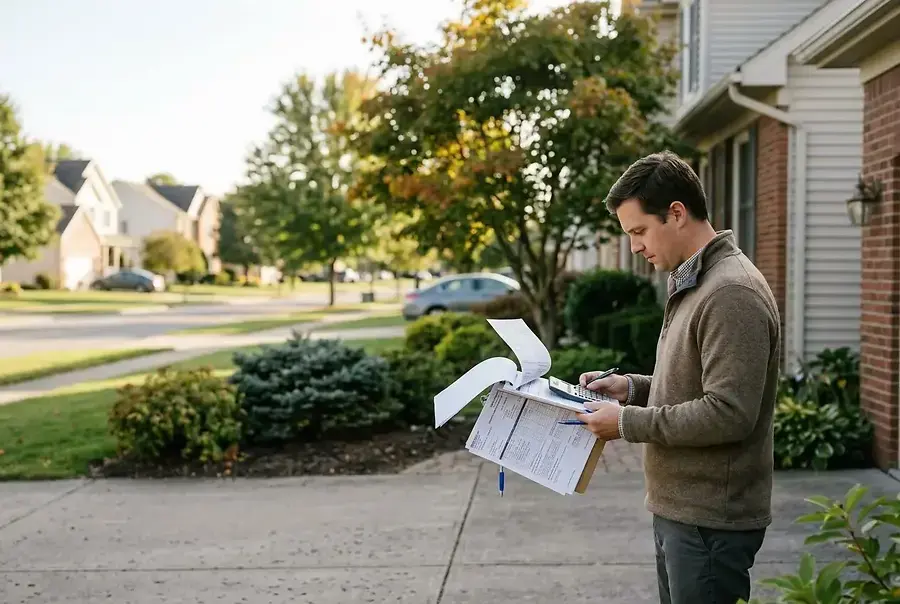
Property tax assessment in Western New York begins with the local assessor's office, which is responsible for determining the fair market value of your property. This assessment forms the foundation for your tax bill. The process typically involves:
- Physical inspection: Assessors evaluate your property's size, condition, age, and improvements
- Market analysis: Recent comparable sales in your area are analyzed to determine fair market value
- Data collection: Information about lot size, square footage, and special features is recorded
- Assessment notice: You receive an official notice of the assessed value
The Tax Rate Calculation
Once your property is assessed, the actual tax amount is determined by multiplying your assessed value by the local tax rate. The formula is straightforward: Assessed Value × Tax Rate = Property Tax Bill. However, the assessed value is typically not the full market value of your home.
In New York State, properties are assessed at a percentage of their full market value, which varies by municipality. This percentage is called the assessment ratio. For example, if your home's market value is $300,000 and the assessment ratio is 50%, your assessed value would be $150,000. The tax rate, expressed as a percentage or per $1,000 of assessed value, is then applied to this figure.
Key Components of Your Tax Bill
Your property tax bill includes several components beyond just the base property tax:
- School district taxes: The largest portion, funding local schools
- Town or city taxes: Supporting municipal services and infrastructure
- County taxes: Contributing to county-wide services
- Special district taxes: For services like fire protection, water, or sewer
Tax Assessment Differences Across Buffalo Suburbs and Towns
Buffalo City Assessments
Buffalo's property tax structure reflects its status as a major urban center. The city's assessment practices have been modernized in recent years, with more frequent reassessments to ensure equitable taxation. Buffalo homeowners should be aware that the city has implemented new assessment methodologies that may affect their tax bills. The school district taxes in Buffalo are particularly significant, as they represent a substantial portion of the overall tax burden.
Amherst and Suburban Variations
Amherst, one of Western New York's most affluent suburbs, has different assessment practices compared to Buffalo. Suburban towns like Amherst typically have higher property values but may have different assessment ratios and tax rates. The assessment process in Amherst tends to be more frequent, with regular reassessments to maintain current market values. This can result in more stable tax rates but may also lead to larger adjustments when property values shift significantly.
Cheektowaga and Other Municipalities
Cheektowaga and similar suburban communities often have their own unique assessment schedules and methodologies. Some towns conduct full reassessments every few years, while others use cyclical assessment programs where different neighborhoods are assessed on rotating schedules. This means your property might not be reassessed every year, which can create disparities in assessment equity across the town.
Factors Affecting Assessment Variations
Several factors contribute to differences in property tax assessments across Western New York municipalities:
- School district funding needs: Districts with higher expenses have higher tax rates
- Municipal services: Towns offering more services typically have higher tax rates
- Assessment frequency: More frequent reassessments may result in more current valuations
- Local economic conditions: Areas with stronger property value growth may have different assessment patterns
- Assessment methodology: Different towns use different approaches to determine fair market value
Challenging Your Assessment
If you believe your property has been assessed unfairly, most Western New York municipalities allow you to file a grievance. The process typically involves submitting a formal complaint to your local assessor's office by a specific deadline. You may need to provide evidence such as recent appraisals, comparable sales data, or documentation of property defects. Many homeowners successfully reduce their tax bills through this process, making it worth investigating if you suspect an error.
Conclusion: Empowering Yourself as a Knowledgeable WNY Property Owner
Understanding property tax assessment in Western New York empowers you to take control of your homeownership experience. Whether you live in Buffalo, Amherst, Cheektowaga, or another Western New York community, the knowledge of how your taxes are calculated and what drives differences across municipalities is invaluable.
Take action today by:
- Reviewing your property assessment notice carefully
- Comparing your assessment to similar properties in your area
- Understanding your local tax rate and what services it funds
- Filing a grievance if you believe your assessment is unfair
- Staying informed about changes in local assessment practices
Property taxes will remain a significant part of your homeownership costs, but with this knowledge, you can navigate the system more effectively and ensure you're paying a fair share. Don't hesitate to reach out to your local assessor's office with questions—they're there to help you understand your assessment and the process behind it.