The Growing Demand for Adaptive Industrial Spaces
Oklahoma City's real estate market is experiencing a significant shift as investors and developers recognize the tremendous potential in converting industrial properties into modern commercial spaces. The demand for adaptive reuse projects has surged, driven by changing business needs, workforce preferences, and the scarcity of new construction opportunities. Underutilized warehouses, factories, and manufacturing facilities that once seemed like liabilities are now being transformed into thriving commercial hubs.
This trend reflects a broader national movement toward sustainable development and smart capital allocation. Rather than demolishing existing structures, forward-thinking investors are capitalizing on the bones of these industrial buildings to create flexible, cost-effective commercial spaces. The financial incentives are compelling: lower acquisition costs compared to new construction, potential tax credits, and strong market demand from tenants seeking unique, character-filled spaces.
Understanding Oklahoma City's Industrial Real Estate Inventory and Opportunities
The Current Market Landscape
Oklahoma City boasts a substantial inventory of industrial properties available for conversion. The city's strategic location, affordable land prices, and business-friendly environment make it an ideal market for adaptive reuse projects. Many of these properties are located in revitalizing neighborhoods with improving infrastructure and growing commercial activity.
Key opportunities include:
- Historic warehouse districts with strong architectural character and established transportation networks
- Vacant manufacturing facilities in accessible locations with room for expansion
- Underperforming industrial parks positioned for mixed-use redevelopment
- Properties with strong bones requiring cosmetic and functional upgrades rather than structural overhauls
Market Demand Drivers
Several factors are fueling demand for converted industrial spaces in Oklahoma City. Businesses are increasingly seeking flexible, open-concept environments that traditional office buildings cannot provide. Tech companies, creative agencies, and startups are particularly drawn to the aesthetic and functionality of converted industrial spaces. Additionally, the growing popularity of mixed-use developments—combining retail, office, and residential components—creates multiple revenue streams from a single property.
The convergence of supply and demand creates a unique window of opportunity for savvy investors.
Conversion Strategies and Profitability Analysis for Industrial Properties
Assessing Conversion Feasibility
Before committing capital to an industrial conversion project, thorough due diligence is essential. Evaluate the property's structural integrity, mechanical systems, and compliance with current building codes. Consider factors such as ceiling height, column spacing, natural lighting potential, and existing utility infrastructure. Properties with minimal structural modifications required typically offer the best return on investment.
The most profitable conversions are those where the existing structure requires only cosmetic and functional upgrades, not complete reconstruction.
Strategic Conversion Approaches
Office and Creative Spaces
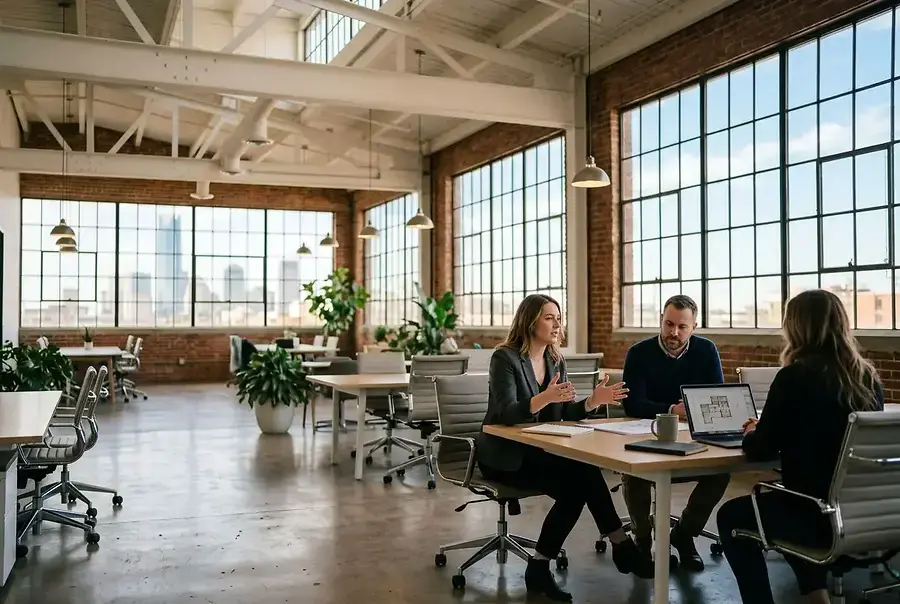
Converting industrial properties into modern office environments remains one of the most profitable strategies. The demand for flexible, open-plan workspaces with high ceilings, exposed brick, and natural light continues to grow. These spaces command premium rental rates, particularly in desirable neighborhoods. Budget for HVAC upgrades, electrical system modernization, and interior finishing while preserving architectural character.
Mixed-Use Development
Combining multiple uses—such as ground-floor retail with upper-level offices or residential units—maximizes revenue potential. This approach diversifies tenant base and reduces vacancy risk. Mixed-use projects typically achieve higher overall returns and create vibrant community spaces that attract quality tenants.
Specialized Commercial Uses
Consider niche markets such as:
- Event venues and entertainment spaces
- Food halls and restaurant incubators
- Artist studios and maker spaces
- Fitness and wellness facilities
- Educational and training centers
Financial Projections and ROI Analysis
Successful industrial conversions typically follow this financial model:
- Acquisition cost: 30-50% below comparable new construction
- Conversion costs: $50-150 per square foot depending on scope
- Rental rates: 10-30% premium over traditional commercial space
- Timeline: 12-24 months from acquisition to full occupancy
- Expected ROI: 15-25% annually for well-executed projects
These figures vary based on property condition, location, and market conditions. Properties in high-demand neighborhoods with strong tenant interest can exceed these benchmarks significantly.
Funding and Incentive Programs
Oklahoma City and state programs offer valuable incentives for industrial conversions. Historic preservation tax credits can offset 20% of qualified rehabilitation expenses. New Market Tax Credits and opportunity zone investments provide additional financial advantages. Many lenders now specialize in adaptive reuse financing, understanding the unique characteristics of these projects.
Explore partnerships with local economic development agencies, which often provide grants or low-interest financing for projects that create jobs and revitalize neighborhoods.
Conclusion: Positioning Your Portfolio for Industrial Market Growth
Converting industrial properties into profitable commercial spaces represents a compelling investment opportunity in Oklahoma City's evolving real estate market. The combination of affordable acquisition costs, strong tenant demand, and available incentive programs creates favorable conditions for investors willing to execute thoughtful conversion strategies.
Success requires careful property selection, realistic financial modeling, and quality execution. Focus on properties with strong structural foundations in accessible locations with demonstrated tenant demand. Partner with experienced architects, contractors, and property managers who understand the nuances of adaptive reuse projects.
The industrial properties that powered Oklahoma City's past are now fueling its future growth. By recognizing the potential in these underutilized assets and executing strategic conversions, investors can build profitable, sustainable commercial portfolios while contributing to neighborhood revitalization and economic development. The time to act is now, as the best opportunities are being identified and developed by forward-thinking market participants.