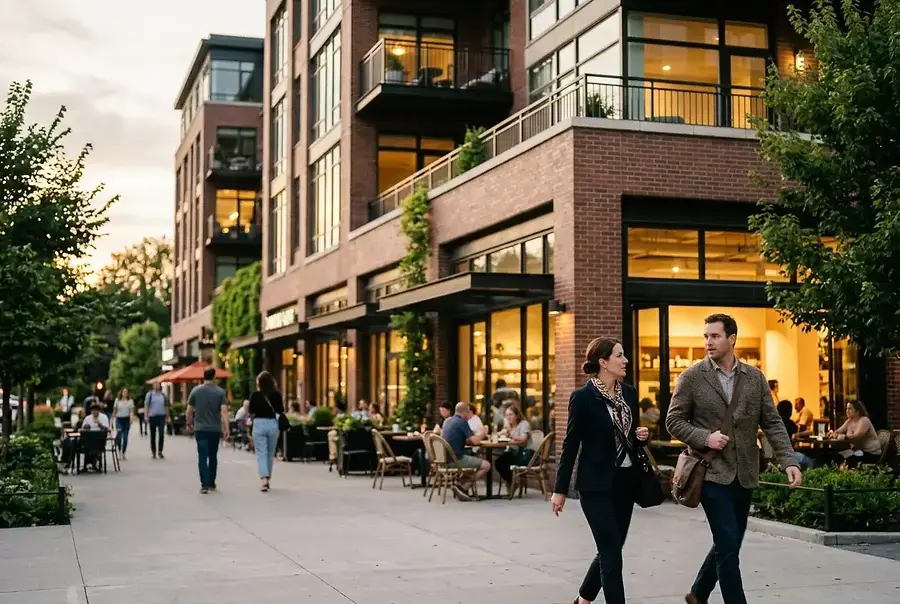
The Rise of Mixed-Use Commercial Conversion
The commercial real estate landscape is undergoing a significant transformation. Traditional single-purpose retail spaces that once dominated urban and suburban markets are being reimagined as dynamic mixed-use properties. This shift represents one of the most lucrative opportunities for property investors and developers seeking to maximize returns in an evolving market.
Mixed-use properties combine multiple functions within a single development—typically blending retail, residential, office, and entertainment spaces. This integrated approach addresses changing consumer behaviors and work patterns, creating properties that are more resilient, attractive to tenants, and ultimately more profitable.
Why the shift is happening now: The rise of e-commerce has fundamentally altered retail demand, leaving many traditional shopping centers and storefronts underutilized. Simultaneously, the demand for walkable, vibrant neighborhoods with diverse amenities has skyrocketed. Mixed-use conversions bridge this gap, transforming vacant or underperforming retail into thriving community hubs.
Market Demand and Tenant Diversification Opportunities
Understanding the Market Drivers
The demand for mixed-use properties stems from several converging trends:
- Remote work flexibility: Companies now seek smaller, strategically located office spaces rather than sprawling corporate campuses. Mixed-use properties offer convenient, accessible office solutions.
- Urban living preferences: Millennials and Gen Z consumers prioritize walkable neighborhoods with integrated amenities, dining, and entertainment options.
- Experiential retail: Modern retail focuses on experiences rather than transactions. Mixed-use developments create environments where shopping, dining, and socializing converge.
- Sustainability goals: Mixed-use properties reduce transportation needs and promote efficient land use, appealing to environmentally conscious investors and tenants.
Tenant Diversification and Revenue Streams
Converting retail spaces into mixed-use properties creates multiple revenue streams that stabilize cash flow and reduce vacancy risk. Rather than relying on a single retail tenant, property owners can generate income from:
- Residential units (apartments or condominiums)
- Office spaces for small businesses and startups
- Ground-floor retail and restaurants
- Parking facilities
- Entertainment and leisure amenities
This diversification is critical for long-term profitability. If one sector experiences a downturn, other revenue streams continue supporting the property's financial performance.
Tenant Quality and Retention
Mixed-use properties attract higher-quality tenants with stronger credit profiles. Residential tenants typically sign longer leases, while office and retail tenants benefit from the built-in customer base and foot traffic. This combination creates a stable, predictable income stream that justifies higher property valuations.
Regulatory Considerations and Design Implementation
Navigating Zoning and Regulatory Requirements
Converting retail spaces into mixed-use properties requires careful attention to local zoning laws and building codes. Key considerations include:
- Zoning compliance: Verify that mixed-use development is permitted in the property's current zoning district. Many municipalities have updated zoning codes to encourage mixed-use development, but some areas still restrict it.
- Parking requirements: Mixed-use properties often face complex parking regulations. Work with local authorities to understand requirements and explore creative solutions like shared parking or parking structures.
- Building codes: Converting retail to residential or office requires compliance with residential and commercial building codes, including fire safety, accessibility, and structural requirements.
- Environmental assessments: Older retail properties may require Phase I and Phase II environmental assessments to identify contamination or hazardous materials.
Strategic Design and Implementation
Successful mixed-use conversions require thoughtful design that maximizes each property's unique characteristics:
Vertical integration: Stack uses strategically—ground-floor retail and restaurants, mid-level office spaces, and upper-level residential units. This arrangement maximizes foot traffic and creates natural separation between uses.
Pedestrian-friendly design: Create inviting streetscapes with wide sidewalks, outdoor seating, and attractive storefronts. Pedestrian-oriented design increases retail sales and enhances the residential experience.
Flexible spaces: Design adaptable spaces that can accommodate various tenant types. Flexible floor plans allow properties to respond to changing market demands without major renovations.
Amenities and gathering spaces: Incorporate common areas, courtyards, or rooftop spaces that encourage community interaction. These amenities increase property appeal and justify premium pricing.
"Mixed-use properties represent the future of commercial real estate. They're not just more profitable—they're more resilient, more sustainable, and better positioned to serve evolving community needs."
Conclusion: Maximizing Property Value Through Strategic Conversion
Converting retail spaces into mixed-use properties is more than a trend—it's a strategic response to fundamental shifts in how people live, work, and spend their time. For investors willing to navigate regulatory requirements and invest in thoughtful design, the returns can be substantial.
The key to success lies in understanding your local market, securing proper zoning and regulatory approvals, and designing spaces that serve multiple purposes seamlessly. Properties that successfully integrate residential, office, and retail components command higher valuations, attract quality tenants, and generate diversified revenue streams.
As e-commerce continues reshaping retail and remote work becomes increasingly normalized, the demand for mixed-use properties will only intensify. Investors who act strategically today will position themselves to capture significant returns as this transformation accelerates.