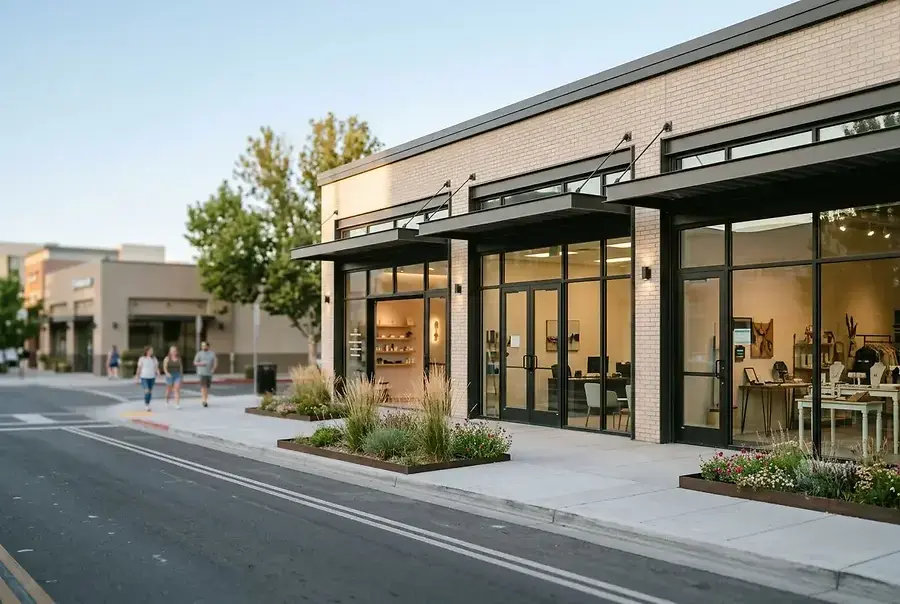
Introduction: The Retail-to-Multi-Tenant Conversion Opportunity in Reno
The retail landscape has undergone a dramatic transformation in recent years, leaving many commercial property owners with underutilized spaces and declining revenues. However, savvy investors in Reno have discovered a lucrative opportunity: converting these struggling retail locations into thriving multi-tenant properties. This strategic shift not only revitalizes aging commercial real estate but also creates stable, diversified income streams that weather market fluctuations far better than traditional single-tenant retail leases.
Reno's dynamic growth and evolving commercial market make it an ideal location for these conversion projects. The city's expanding population, combined with changing consumer shopping habits, has created a unique window of opportunity for investors willing to think creatively about property transformation. By converting retail spaces into mixed-use or multi-tenant commercial properties, investors can tap into emerging demand for flexible office space, co-working environments, professional services, and specialized retail concepts.
Identifying High-Potential Retail Spaces for Conversion Projects
Location and Market Analysis
The first step in any successful conversion project is identifying the right property. Location remains paramount, but the criteria have shifted. Rather than focusing solely on foot traffic for retail, look for properties with strong visibility, accessibility, and proximity to residential areas or business districts. Properties near major intersections, transit corridors, or established commercial zones offer the best potential for multi-tenant success.
Conduct thorough market analysis to understand local demand. Research demographic trends, employment centers, and emerging business clusters in Reno. Properties positioned near growing professional services districts or technology hubs often attract higher-quality tenants willing to pay premium rents.
Physical Characteristics and Structural Viability
Evaluate the physical condition of potential properties carefully. Ideal conversion candidates typically feature:
- Flexible floor plans that can be subdivided into multiple units
- Multiple entry points or the ability to create separate entrances
- Adequate parking for diverse tenant bases
- Good ceiling heights and natural lighting
- Existing or easily upgradeable mechanical, electrical, and plumbing systems
- Structural integrity that doesn't require extensive remediation
Properties with high ceilings and open layouts offer the most flexibility for creative subdivisions. Avoid spaces with load-bearing walls that cannot be removed or properties with significant structural issues that would consume your renovation budget.
Navigating Zoning, Permits, and Regulatory Requirements for Property Transformation
Understanding Reno's Zoning Framework
Before committing to any conversion project, thoroughly understand Reno's zoning regulations. Multi-tenant conversions often require zoning compliance verification to ensure your intended use aligns with local ordinances. Some retail zones may restrict certain types of commercial tenants or require special permits for specific uses.
Engage with Reno's Planning and Building Department early in your process. City planners can clarify zoning restrictions, identify potential conflicts, and guide you toward compliant configurations. This proactive approach prevents costly delays and redesigns later in the project.
Permitting and Compliance Considerations
Converting retail spaces into multi-tenant properties typically requires multiple permits and inspections:
- Building permits for structural modifications and renovations
- Occupancy permits for each new tenant space
- Fire and life safety compliance including egress requirements and sprinkler systems
- ADA accessibility upgrades to meet federal standards
- Utility permits for electrical, plumbing, and HVAC modifications
Budget additional time and funds for compliance work. Multi-tenant properties face stricter fire code requirements than single-tenant spaces, particularly regarding emergency exits and separation between units. These requirements, while adding to initial costs, ultimately create safer, more valuable properties.
Maximizing ROI Through Strategic Tenant Mix and Lease Structure
Crafting the Optimal Tenant Mix
The key to maximizing returns lies in strategic tenant selection. Diversification reduces risk while creating complementary business synergies. Rather than competing retailers, consider mixing professional services, specialized retail, wellness providers, and service-based businesses.
Ideal tenant combinations might include:
- Professional offices (accounting, legal, consulting) paired with administrative services
- Wellness providers (fitness studios, massage therapy, nutritionists) with complementary retail
- Niche retail concepts (specialty foods, artisan goods) with service businesses
- Co-working or flexible office space with professional service providers
Avoid tenant combinations that create direct competition or cannibalize each other's customer bases. The goal is creating a property ecosystem where tenants benefit from shared foot traffic and complementary services.
Structuring Leases for Maximum Stability
Implement lease structures that balance flexibility with stability. Multi-year leases with modest annual increases provide predictable income while remaining attractive to quality tenants. Consider offering slightly below-market rates to secure long-term, reliable tenants who will maintain their spaces and contribute positively to the property's reputation.
Smart investors recognize that stable, long-term tenants generate more total revenue than constantly turning over spaces to chase higher rents.
Include common area maintenance (CAM) charges in leases to ensure all tenants contribute fairly to shared space upkeep. Clearly define tenant responsibilities, maintenance expectations, and improvement standards to maintain property quality and tenant satisfaction.
Value-Add Opportunities
Enhance property value through strategic improvements:
- Create attractive common areas that encourage tenant interaction
- Implement professional property management and maintenance
- Upgrade signage and wayfinding for better tenant visibility
- Develop shared amenities like break rooms or conference facilities
- Establish a strong online presence and tenant directory
These improvements justify higher rents and attract quality tenants while creating a cohesive, professional environment that enhances overall property value.
Conclusion: Positioning Yourself as a Conversion Specialist in Reno's Market
Converting retail spaces into profitable multi-tenant properties represents one of the most compelling opportunities in Reno's commercial real estate market. By carefully identifying suitable properties, navigating regulatory requirements, and implementing strategic tenant mix strategies, investors can transform struggling retail locations into stable, diversified income-generating assets.
Success in this space requires patience, attention to detail, and a willingness to think creatively about property transformation. The investors who master these conversion projects position themselves as specialists in an increasingly valuable market niche. As Reno continues to grow and evolve, the demand for flexible, multi-tenant commercial spaces will only increase, rewarding those who act strategically today.
The future of commercial real estate in Reno belongs to investors who can see potential where others see decline—and who have the expertise to transform that vision into profitable reality.