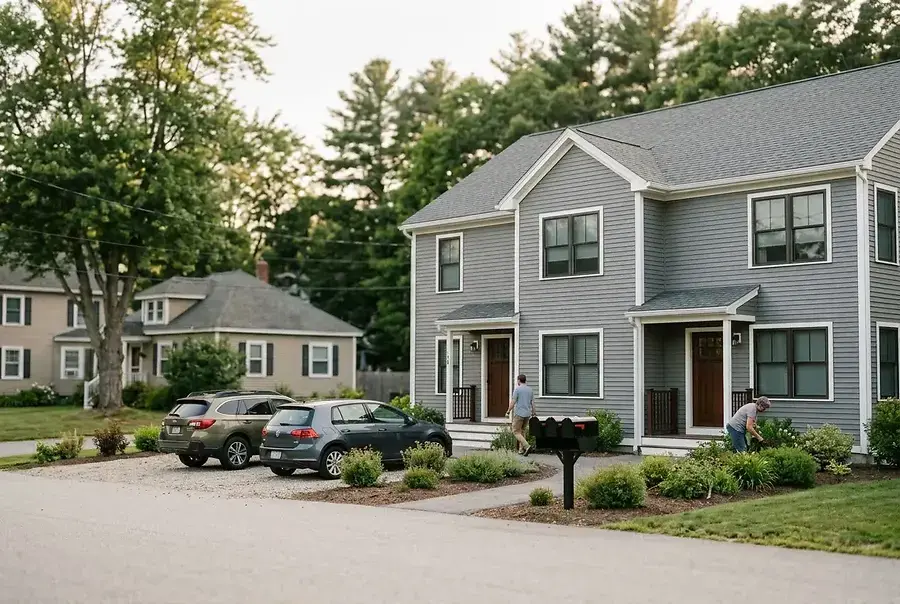
Understanding Multi-Unit Conversion Opportunities in Central New Hampshire
Central New Hampshire presents exceptional opportunities for property investors looking to convert single-family homes into multi-unit rental properties. The region's growing population, strong rental demand, and relatively affordable property prices create an ideal environment for residential-to-commercial conversions. Whether you're a seasoned investor or a first-time property owner, understanding the market dynamics is crucial to your success.
The demand for rental properties in Central New Hampshire continues to rise as young professionals, families, and remote workers seek affordable housing options. This increased demand translates directly into higher occupancy rates and stronger rental income potential. Properties in towns like Concord, Manchester, and surrounding areas have demonstrated consistent appreciation and rental growth over recent years.
Market Analysis and Property Selection
Before converting your property, conduct a thorough market analysis. Evaluate the neighborhood's rental demand, average rental rates, and tenant demographics. Properties located near employment centers, educational institutions, and public transportation tend to attract quality tenants and command higher rents. Consider the property's current condition, layout, and potential for subdivision into multiple units.
- Location factors: Proximity to schools, hospitals, and commercial districts
- Property characteristics: Square footage, lot size, and existing infrastructure
- Market trends: Local rental rates, vacancy rates, and demographic shifts
- Competition: Analysis of similar multi-unit properties in the area
Financial Planning and Funding Your Residential-to-Commercial Conversion
Converting a single-family home into a multi-unit property requires significant capital investment. Successful financial planning involves understanding all costs, exploring funding options, and calculating realistic return on investment projections.
Estimating Conversion Costs
Conversion expenses typically include structural modifications, utility upgrades, kitchen and bathroom installations, and compliance with building codes. In Central New Hampshire, conversion costs generally range from $50,000 to $150,000 or more, depending on the number of units and renovation scope. Always include a contingency buffer of 15-20% for unexpected expenses.
Key cost categories include:
- Architectural and engineering services
- Structural modifications and interior walls
- Electrical, plumbing, and HVAC system upgrades
- Kitchen and bathroom installations
- Permits, inspections, and professional fees
- Accessibility compliance and safety upgrades
Funding Options and Financing Strategies
Several financing options are available for multi-unit conversions. Traditional bank loans, SBA loans, and portfolio lenders often provide favorable terms for investment properties. Some investors utilize home equity lines of credit or cash-out refinancing to fund their projects. New Hampshire also offers various state and local incentive programs that may reduce conversion costs.
Consider consulting with a financial advisor experienced in real estate investments to determine the best funding strategy for your specific situation.
Return on Investment Projections
Calculate your potential ROI by projecting rental income against total investment costs. A well-executed conversion in Central New Hampshire can generate 6-10% annual returns or higher. Factor in operating expenses, property taxes, insurance, maintenance, and vacancy rates when determining profitability. Most investors recover their initial investment within 8-12 years through rental income.
Navigating Zoning, Permits, and Regulatory Requirements
New Hampshire's zoning and building regulations vary by municipality, making it essential to understand local requirements before beginning your conversion project. Failure to comply with regulations can result in costly fines and forced restoration of the property.
Zoning Compliance and Variances
Many single-family residential zones restrict multi-unit properties. You may need to apply for a zoning variance or seek approval for a conditional use permit. Contact your local planning and zoning board to understand current restrictions and the variance application process. Some municipalities in Central New Hampshire have recently updated zoning codes to encourage multi-unit conversions, making approval easier than ever.
Steps to verify zoning compliance:
- Review your property's current zoning classification
- Check municipal zoning ordinances for multi-unit restrictions
- Identify required setbacks, parking, and density requirements
- Determine if a variance or conditional use permit is necessary
- Prepare documentation for the zoning board application
Building Permits and Inspections
All conversion work requires appropriate building permits. The permit process ensures your project meets current building codes and safety standards. In Central New Hampshire, permit timelines typically range from 2-6 weeks, depending on project complexity. Plan for multiple inspections throughout the conversion process, including foundation, framing, electrical, plumbing, and final occupancy inspections.
Working with a licensed contractor experienced in multi-unit conversions can streamline the permit process and ensure compliance with all local requirements.
Accessibility and Safety Compliance
Multi-unit properties must comply with the Americans with Disabilities Act (ADA) and New Hampshire building codes. Ensure adequate emergency exits, fire safety systems, and accessible entrances. These requirements add to conversion costs but are non-negotiable for legal operation and tenant safety.
Maximizing Rental Income and Long-Term Investment Returns
Once your conversion is complete, strategic management and marketing are essential to maximizing profitability and long-term returns.
Competitive Rental Pricing Strategy
Research comparable rental properties in your area to establish competitive pricing. Central New Hampshire's rental market supports premium pricing for well-maintained, modern units with desirable amenities. Consider offering flexible lease terms, furnished options, or month-to-month arrangements to attract quality tenants and reduce vacancy periods.
Tenant Screening and Property Management
Implement thorough tenant screening processes to minimize vacancy and reduce problem tenants. Verify income, employment, credit history, and references. Professional property management services can handle tenant relations, maintenance coordination, and rent collection, allowing you to focus on strategic investment decisions.
Building Long-Term Wealth
Multi-unit conversions offer multiple wealth-building advantages. You benefit from monthly rental income, property appreciation, mortgage principal paydown, and tax advantages including depreciation deductions. Over time, these factors combine to create substantial wealth accumulation. Many successful investors use equity from their first conversion to fund additional projects, building a diversified real estate portfolio.
Key wealth-building strategies:
- Maintain properties to preserve and increase value
- Reinvest rental income into property improvements
- Monitor market conditions for refinancing opportunities
- Build equity through mortgage paydown
- Leverage success into additional investment properties
Converting a single-family home into a multi-unit rental property in Central New Hampshire requires careful planning, regulatory compliance, and strategic management. By understanding market opportunities, securing appropriate financing, navigating zoning requirements, and implementing effective management practices, you can transform your residential property into a profitable long-term investment that generates consistent income and builds substantial wealth.