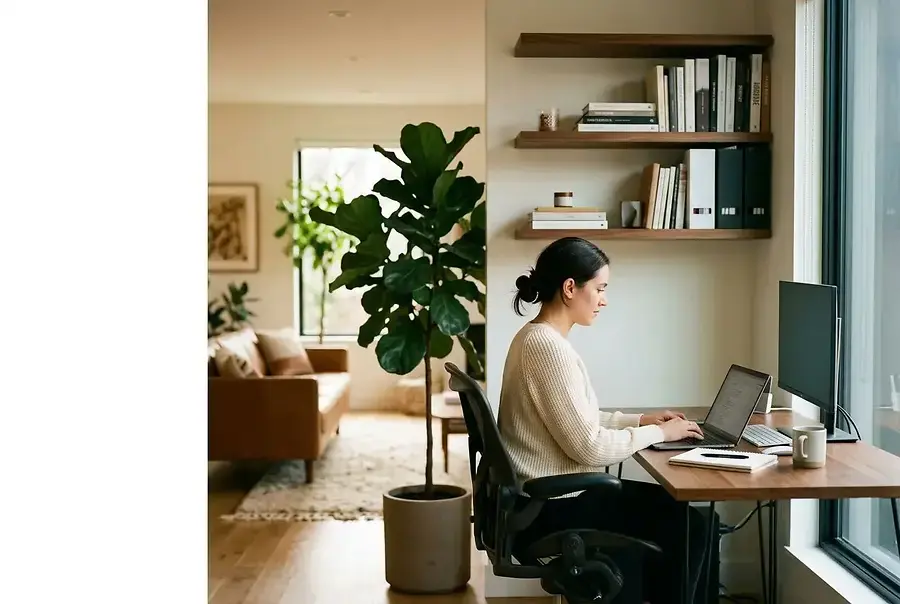
Introduction: The Growing Need for Home Office Integration
The modern workforce has fundamentally shifted. Remote work, freelancing, and hybrid arrangements have become the norm rather than the exception, making home offices no longer a luxury but a necessity. Whether you're a full-time remote worker, a creative professional, or someone who occasionally needs a dedicated workspace, integrating a functional office into your home has become essential.
The challenge, however, lies in creating a workspace that doesn't compromise your living environment. Your home should remain a sanctuary—a place of comfort and relaxation—while simultaneously serving as a productive professional space. This balance is achievable with thoughtful planning and strategic design choices.
Designing Layouts That Maximize Productivity Without Sacrificing Living Space
Assessing Your Available Space
Before purchasing a single piece of furniture, evaluate your home honestly. The ideal home office doesn't require a dedicated room. A corner of your bedroom, a section of your living room, or even a hallway nook can serve as an effective workspace. The key is identifying areas with minimal foot traffic and natural light.
Consider these factors when selecting your location:
- Natural light availability and window proximity
- Distance from household distractions and noise sources
- Proximity to electrical outlets and internet connectivity
- Adequate wall space for shelving or storage solutions
- Room for a desk, chair, and minimal storage without overwhelming the space
Creating Visual Boundaries
Even in an open-concept home, you can establish psychological boundaries between your work and living areas. Visual separation is crucial for maintaining focus and work-life balance. Consider these solutions:
- Folding screens or room dividers that can be deployed during work hours and stored away when not needed
- Floating shelves that define the workspace without blocking sightlines
- Area rugs that anchor your office zone and create a distinct visual boundary
- Tall plants or bookcases that serve dual purposes as both decor and space dividers
Optimizing Vertical Space
When square footage is limited, think vertically. Wall-mounted shelving, pegboards, and floating desks maximize functionality without consuming valuable floor space. This approach keeps your workspace organized while maintaining an open, airy feeling in your home.
Selecting Furniture and Technology That Balance Comfort and Functionality
The Essential Desk
Your desk is the foundation of your home office. Invest in a desk that fits your space and work style. Consider these options:
- Compact writing desks for minimal spaces—typically 36-48 inches wide
- L-shaped desks that maximize corner spaces and provide additional surface area
- Adjustable standing desks that promote movement and reduce sedentary time
- Wall-mounted drop-down desks that fold away when not in use
The ideal desk height allows your elbows to rest at a 90-degree angle when seated, with your monitor at eye level. This ergonomic positioning prevents strain and supports long-term comfort.
Ergonomic Seating
Don't compromise on your chair. You'll spend significant time seated, and poor seating can lead to back pain and reduced productivity. A quality ergonomic chair is an investment in your health and work performance.
Look for chairs with:
- Adjustable seat height and lumbar support
- Armrests that support your elbows at desk height
- Breathable materials for all-day comfort
- Smooth-rolling casters for easy movement
Technology Integration
Modern home offices require thoughtful technology setup. Prioritize reliable internet connectivity above all else. Consider upgrading your router or using a mesh network system if your home office is far from your main connection point.
Essential technology considerations include:
- Adequate electrical outlets and power strips with surge protection
- Cable management solutions to maintain a clean, organized appearance
- A monitor stand or arm to position your screen at eye level
- Quality lighting that reduces screen glare and eye strain
- Noise-canceling headphones for video calls and focus
Storage and Organization
A cluttered workspace leads to a cluttered mind. Implement storage solutions that keep supplies accessible but out of sight.
Effective organization systems transform chaos into productivity, allowing you to focus on work rather than searching for materials.
Consider filing cabinets, drawer organizers, wall-mounted shelving, and desktop organizers that match your aesthetic while keeping everything in its place.
Conclusion: Elevating Your Home's Value and Livability Through Smart Office Design
Creating a functional home office is more than just setting up a desk and chair—it's about designing a space that supports your professional goals while enhancing your overall quality of life. A well-designed home office increases property value, improves work efficiency, and maintains the comfort and beauty of your living environment.
The most successful home offices share common characteristics: they're thoughtfully positioned, ergonomically sound, technologically equipped, and visually integrated into the home's existing aesthetic. They respect the boundary between work and home while seamlessly coexisting within the same physical space.
Whether you're converting a spare bedroom, claiming a corner of your living room, or utilizing an underused hallway, the principles remain the same. Assess your needs, choose quality furniture and technology, and design with intention. Your home office should inspire productivity while maintaining the sanctuary that is your home. With these strategies in place, you'll create a workspace that works as hard as you do.
