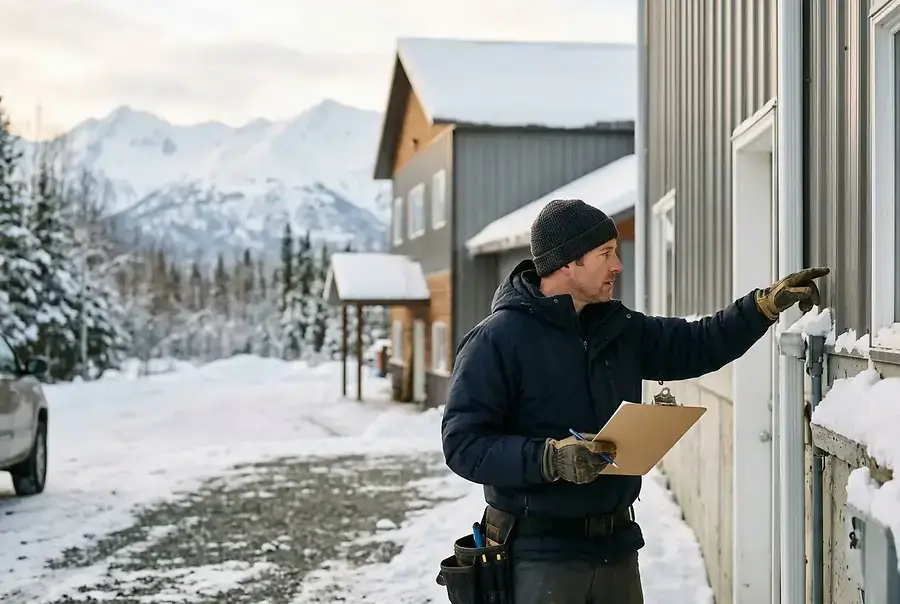
Understanding Alaska's Commercial Property Inspection Requirements
Purchasing commercial property in Alaska requires a comprehensive understanding of the state's unique inspection standards and environmental considerations. The harsh climate and geographic isolation create specific challenges that differ significantly from properties in the lower 48 states.
Structural and Environmental Assessments
Alaska's extreme weather conditions demand rigorous structural inspections. Permafrost movement, freeze-thaw cycles, and heavy snow loads can compromise building integrity over time. Hire a qualified inspector familiar with Alaska's building codes and climate challenges to evaluate:
- Foundation stability and potential settling issues
- Roof condition and snow load capacity
- Insulation quality and thermal performance
- Drainage systems designed for seasonal water runoff
- Weatherproofing and seal integrity
Environmental assessments are equally critical. Phase I and Phase II Environmental Site Assessments (ESAs) should identify potential contamination from previous industrial use, fuel storage, or mining activities common in Alaska's commercial areas.
Mechanical Systems and Utilities
Alaska's remote locations often mean specialized heating systems, water treatment, and power generation. Verify that all mechanical systems are properly maintained and meet current efficiency standards. Request maintenance records for the past three to five years to understand repair patterns and anticipated replacement costs.
Financial and Legal Documentation Essentials for Commercial Purchases
Thorough documentation review protects your investment and prevents costly surprises after closing. This phase requires meticulous attention to detail and professional guidance.
Title and Ownership Verification
Obtain a comprehensive title search through an Alaska-licensed title company. Verify that the seller has clear ownership and that no liens, easements, or encumbrances will affect your use of the property. Review the title commitment carefully and address any exceptions before closing.
Financial Records and Lease Agreements
If the property generates income through tenant leases, request:
- Copies of all current lease agreements
- Tenant payment history and any delinquencies
- Operating expense statements for the past three years
- Property tax assessments and payment records
- Insurance policies and claims history
- Utility bills and consumption patterns
Understanding the true operating costs of an Alaska commercial property is essential for accurate financial projections and ROI calculations.
Permits and Compliance Documentation
Verify that the property holds all necessary business licenses, building permits, and occupancy certificates. Confirm compliance with Alaska Department of Environmental Conservation regulations, particularly regarding hazardous materials storage or waste management. Request documentation of any code violations and their resolution status.
Common Issues Found in Alaska Commercial Properties and How to Address Them
Certain problems appear frequently in Alaska's commercial real estate market due to climate and geographic factors.
Moisture and Mold Damage
Alaska's moisture-rich environment creates ideal conditions for mold growth. Inspect basements, crawl spaces, and areas around HVAC systems carefully. Hire a certified mold inspector if you suspect contamination. Remediation costs can be substantial, so factor these into your offer negotiations.
Aging Infrastructure and Deferred Maintenance
Many Alaska commercial properties suffer from deferred maintenance due to high repair costs and limited contractor availability. Common issues include:
- Deteriorating roofing systems requiring expensive replacement
- Outdated plumbing and electrical systems
- Failing HVAC equipment in harsh climate conditions
- Inadequate insulation increasing heating costs
Obtain detailed repair estimates from local contractors and use these to negotiate price reductions or seller repairs.
Utility and Energy Concerns
Alaska's remote locations often mean higher utility costs and limited service options. Investigate alternative energy sources, backup power systems, and water treatment capabilities. Some properties may rely on expensive fuel oil heating or have limited internet connectivity affecting business operations.
Final Walkthrough and Closing Preparation Checklist
The final walkthrough is your last opportunity to verify property conditions before ownership transfer.
Pre-Closing Inspection
Schedule a final walkthrough within 24 hours of closing to confirm:
- All agreed-upon repairs have been completed to specification
- Property condition matches the inspection report
- Fixtures and equipment included in the sale remain on-site
- No new damage has occurred since your last inspection
- Utilities are functioning properly
Documentation Review Before Closing
Review all closing documents carefully with your attorney. Verify that purchase price, contingencies, and special conditions match your purchase agreement. Confirm that all liens and encumbrances have been resolved as promised.
Final Checklist
Before signing closing documents:
- Confirm all inspections and appraisals are complete and satisfactory
- Verify financing is approved and funds are available
- Ensure title insurance commitment is issued
- Confirm all repairs and remediation work is documented
- Review property insurance quotes and obtain coverage
- Verify all utilities will transfer to your name
- Confirm business licenses and permits transfer procedures
Due diligence in Alaska's commercial real estate market requires patience, professional expertise, and attention to detail. By following these critical steps, you'll protect your investment and ensure a smooth transition to property ownership in Alaska's unique business environment.