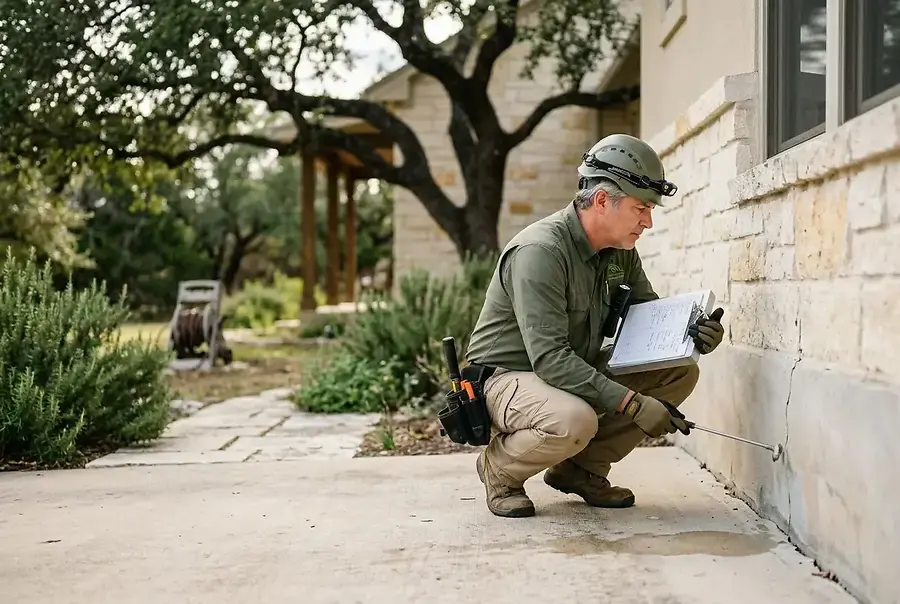
Understanding Common Inspection Issues in Hill Country and Urban Properties
The Austin and Spicewood real estate markets present unique challenges for homebuyers. Properties in these areas range from modern urban developments to rustic Hill Country estates, each with distinct inspection concerns. Understanding these regional issues is essential before making one of the largest financial decisions of your life.
Hill Country properties often feature limestone foundations, which can develop cracks due to the region's expansive clay soils. Urban Austin homes, meanwhile, frequently deal with aging infrastructure and outdated electrical systems. Both markets experience significant temperature fluctuations and seasonal moisture changes that can impact structural integrity.
Water Damage and Moisture Issues
Water intrusion remains one of the most common and costly problems in both markets. Heavy Texas rains can expose vulnerabilities in roofing, gutters, and foundation drainage systems. Look for:
- Staining on ceilings and walls indicating roof leaks
- Soft spots in flooring near bathrooms and kitchens
- Mold growth in attics, crawl spaces, and basements
- Improper grading around the foundation
- Clogged or damaged gutters and downspouts
HVAC and Electrical System Concerns
Austin's hot summers and occasional cold snaps place tremendous stress on heating and cooling systems. Many older homes in the area have electrical systems that cannot handle modern power demands. During your inspection, verify that HVAC units are properly maintained and that electrical panels have adequate capacity for your lifestyle.
Critical Structural and System Problems That Affect Home Value
Certain issues can dramatically impact a property's value and your ability to secure financing. Lenders require that homes meet specific safety and structural standards before approving mortgages.
Foundation Problems
Foundation issues are particularly prevalent in the Austin area due to the region's clay-heavy soil composition. Settling, cracking, and shifting foundations can cost tens of thousands of dollars to repair. During inspection, look for:
- Visible cracks wider than 1/8 inch in foundation walls
- Doors and windows that stick or won't close properly
- Uneven or sloping floors
- Gaps between walls and ceilings
- Bowing or leaning walls
Roof Condition and Age
A roof is one of your home's most critical protective barriers. Most asphalt shingle roofs last 15-20 years in Texas's intense sun. If your potential home has an aging roof, factor replacement costs into your offer. Inspectors should assess shingle condition, flashing integrity, and proper ventilation.
Plumbing and Water Quality
Older homes in Austin may have galvanized pipes that corrode over time, reducing water pressure and quality. Some properties still use outdated septic systems that may not meet current regulations. Have the inspector evaluate:
- Pipe material and condition
- Water pressure throughout the home
- Septic system functionality (if applicable)
- Water heater age and condition
- Presence of water treatment systems
How to Work with Inspectors to Identify Deal-Breakers Before Closing
Selecting the right inspector and actively participating in the inspection process can save you from costly mistakes.
Choosing a Qualified Inspector
Hire a licensed, insured inspector with specific experience in the Austin and Hill Country markets. Ask for references and verify their credentials with the Texas Real Estate Commission. A thorough inspector should spend 2-3 hours on a typical residential property.
Attending the Inspection
Always attend your home inspection in person. This allows you to ask questions, understand issues firsthand, and discuss concerns with the inspector. Walk through the property together and take notes on areas of concern. Ask the inspector to explain the severity of any issues and provide estimates for repairs when possible.
Understanding the Inspection Report
The inspection report should clearly categorize issues by severity. Focus on major systems and structural elements rather than cosmetic concerns. Common deal-breakers include:
- Significant foundation damage requiring structural repair
- Roof requiring immediate replacement
- Major electrical hazards or code violations
- Extensive mold or water damage
- Failing septic systems
- Contaminated well water
Negotiating After Inspection
Use the inspection report as a negotiating tool. Request that the seller address critical issues, offer a price reduction, or provide credits toward repairs. In competitive Austin and Spicewood markets, be strategic about which issues warrant renegotiation versus those you can address after purchase.
Protecting Your Purchase: Next Steps After Your Home Inspection
The inspection is just one step in protecting your investment. Take additional measures to ensure your long-term satisfaction and financial security.
Obtain Specialized Inspections When Needed
If the general inspection reveals concerns, consider specialized inspections for:
- Termite and pest inspections – Essential in Texas
- Radon testing – Important for health and resale value
- Mold assessment – Particularly important after water damage discovery
- Septic system evaluation – For properties not on municipal sewer
- Pool and spa inspections – If applicable
Create a Maintenance Plan
After closing, develop a comprehensive maintenance schedule for your home's major systems. Regular maintenance prevents small issues from becoming expensive problems. Budget for annual HVAC servicing, roof inspections, and foundation monitoring.
Keep Detailed Records
Maintain thorough documentation of all inspections, repairs, and maintenance performed on your home. These records prove valuable when selling and help you track the property's condition over time. They also support insurance claims if damage occurs.
Plan for Future Upgrades
Use inspection findings to plan future improvements. If your roof has 10 years of life remaining, budget for replacement. If electrical systems need updating, plan for gradual upgrades. This proactive approach prevents financial surprises and maintains your home's value in the competitive Austin and Spicewood markets.
Remember: A thorough home inspection is your opportunity to make an informed decision about one of your largest investments. Don't rush the process or skip this critical step, regardless of market pressure.