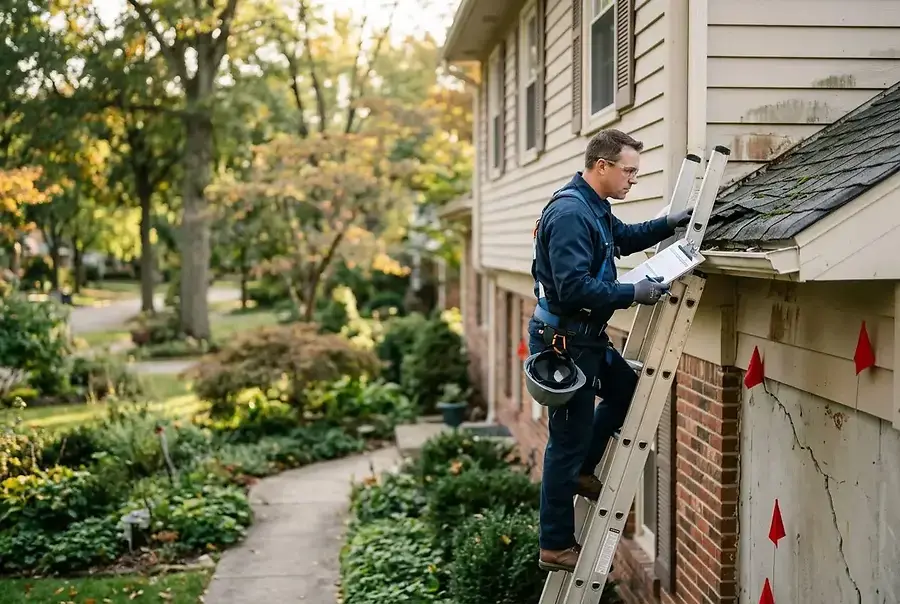
Why Home Inspections Matter More Than You Think
Purchasing a home is likely the largest financial investment you'll ever make. Yet many buyers rush through the inspection process or fail to understand what inspectors are really looking for. A thorough home inspection can reveal hidden problems that could cost you tens of thousands of dollars in repairs down the road. Understanding the red flags inspectors identify is essential to protecting your investment and making informed decisions.
Home inspections serve as your safety net. They provide an objective assessment of a property's condition, from the foundation to the roof. Without this critical step, you could inherit someone else's problems—and their price tag. The inspection period is your opportunity to uncover issues before you're legally bound to the purchase.
Common Red Flags That Signal Major Problems
Foundation and Structural Issues
The foundation is the backbone of any home. Inspectors look for cracks in the foundation, water damage, settling, and signs of structural movement. These issues are among the most expensive to repair and can indicate serious problems that affect the entire property.
- Horizontal or diagonal cracks wider than 1/8 inch
- Bowing or leaning walls
- Water stains or moisture in the basement
- Uneven floors or doors that don't close properly
Roof and Water Damage
A failing roof can lead to catastrophic water damage throughout the home. Inspectors examine shingles, flashing, gutters, and signs of leaks. Missing or damaged shingles, sagging roof lines, and water stains on ceilings are major warning signs that repairs could cost $5,000 to $25,000 or more.
- Missing, curled, or damaged shingles
- Sagging roof deck
- Deteriorated flashing around chimneys and vents
- Water stains on attic framing or insulation
Electrical System Problems
Outdated or faulty electrical systems pose serious safety risks. Inspectors check for aluminum wiring, insufficient grounding, overloaded circuits, and outdated panels. Homes with knob-and-tube wiring or Federal Pacific Electric (FPE) panels may require complete rewiring, which can cost $3,000 to $10,000.
HVAC System Failures
Heating, ventilation, and air conditioning systems are expensive to replace. Inspectors look for signs of age, rust, leaks, and improper installation. An aging furnace or air conditioning unit nearing the end of its lifespan should factor into your negotiation strategy.
Plumbing Issues
Water damage from plumbing problems can be extensive and expensive. Inspectors check for corroded pipes, slow drains, water pressure issues, and signs of leaks. Galvanized pipes, which corrode over time, may need replacement. Polybutylene pipes, used in homes built in the 1980s and 1990s, are known to fail and can cost $4,000 to $15,000 to replace.
Mold and Moisture Problems
Mold growth indicates moisture problems that can affect your health and the home's structural integrity. Inspectors look for visible mold, musty odors, and conditions that promote mold growth. Addressing moisture issues early prevents costly mold remediation later.
Pest Infestations
Termites, carpenter ants, and other pests can cause significant structural damage. Inspectors examine wood for signs of infestation, including tunnels, droppings, and wood damage. Pest damage can compromise the home's structural integrity and require extensive treatment.
Asbestos and Lead Paint
Homes built before the 1980s may contain asbestos in insulation, roofing, and other materials. Homes built before 1978 likely have lead-based paint. While their presence doesn't always require immediate removal, it's important to know about these hazards and factor in potential remediation costs.
How to Use Inspection Reports to Negotiate Better Prices
Prioritize Issues by Severity
Not all inspection findings are deal-breakers. Categorize issues into three groups: critical (safety and structural concerns), major (expensive repairs), and minor (cosmetic or easily fixable). Focus your negotiations on critical and major issues that significantly impact the home's value and safety.
Get Repair Estimates
Don't rely solely on the inspector's report. Obtain written estimates from licensed contractors for major repairs. Armed with specific numbers, you have concrete evidence to support your renegotiation requests. Sellers are more likely to take your concerns seriously when you present professional repair quotes.
Request Repairs or Credits
You have three options when issues are discovered:
- Request repairs: Ask the seller to fix issues before closing
- Request credits: Ask for a price reduction to cover repair costs
- Request escrow: Hold funds in escrow to ensure repairs are completed
Many buyers prefer credits or price reductions, as they can hire contractors of their choice and ensure quality work.
Know Your Walk-Away Point
Before making an offer, determine which issues would be deal-breakers for you. If the inspection reveals problems that exceed your budget or comfort level, you may have the right to walk away without penalty if you included an inspection contingency in your offer. Understanding this gives you negotiating power.
Protecting Your Investment Through Informed Decisions
A home inspection is not an expense—it's an investment in your peace of mind and financial security. By understanding common red flags and knowing how to use inspection reports strategically, you can make informed decisions that protect your investment.
Remember: the inspection period is your opportunity to uncover problems before you're legally bound to the purchase. Don't skip this critical step or rush through it.
Take time to review the inspection report thoroughly, ask your inspector questions, and consult with professionals about major findings. Armed with knowledge and professional guidance, you'll be better equipped to negotiate confidently and close on a home that's truly worth your investment.