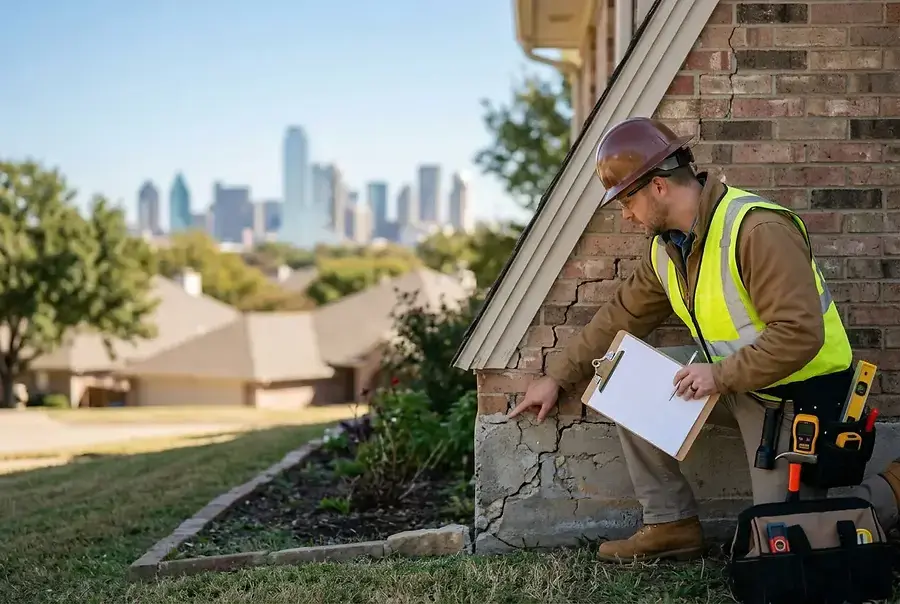
Why Home Inspections Matter in the Competitive DFW Market
The Dallas-Fort Worth real estate market moves fast. Homes sell quickly, and buyers often feel pressured to make decisions without thoroughly evaluating the property's condition. However, skipping or rushing through a home inspection is one of the costliest mistakes a homebuyer can make. A comprehensive home inspection is your opportunity to identify potential problems before you commit to a purchase that could cost you hundreds of thousands of dollars.
In the DFW area, homes face unique challenges due to the region's climate, soil composition, and construction practices. Understanding what inspectors look for—and what you should be concerned about—can help you make an informed decision and negotiate repairs or credits with the seller.
Common Structural and Foundation Issues Found in DFW Homes
Foundation Problems and Settlement
The expansive clay soil common throughout the Dallas-Fort Worth region is notorious for causing foundation issues. When soil expands during wet periods and contracts during droughts, it can cause foundations to shift and crack. During your inspection, watch for these warning signs:
- Visible cracks in the foundation, particularly those wider than 1/8 inch or those that are growing
- Uneven or sloping floors inside the home, which may indicate foundation settlement
- Doors and windows that stick or don't close properly, a sign of structural movement
- Gaps between walls and ceilings or floors, suggesting the house is shifting
- Bowing or leaning walls, which indicate serious structural problems
Water Damage and Moisture Issues
Water intrusion is a serious concern in DFW homes, especially after heavy rains. Look for stains on ceilings, walls, or in crawl spaces. Mold growth is a major red flag that requires professional remediation. Check the attic, basement, and crawl spaces carefully for signs of past or present water damage.
Roof Condition
The Texas sun is harsh on roofing materials. During inspection, check for missing or damaged shingles, curling or buckling, and granule loss. If the roof is nearing the end of its lifespan, budget for replacement—a new roof can cost $10,000 or more.
HVAC, Plumbing, and Electrical System Red Flags to Watch For
HVAC System Concerns
In the DFW area, your air conditioning system works overtime. During inspection, verify that the system is functioning properly and ask about its age. Units older than 15 years are likely to need replacement soon. Look for these red flags:
- Inadequate cooling or heating performance
- Rust or corrosion on the outdoor unit
- Refrigerant leaks or unusual noises
- Dirty or clogged filters that suggest poor maintenance
- Improper ductwork installation or visible gaps and disconnections
Plumbing System Issues
Water quality and plumbing reliability are critical. During your inspection, pay attention to:
- Water pressure problems or slow drains, which may indicate mineral buildup or corrosion
- Old galvanized pipes that are prone to corrosion and may need replacement
- Signs of leaks under sinks, around toilets, or in the basement
- Water heater age and condition—units older than 10 years should be budgeted for replacement
- Sewage odors or evidence of septic system problems
Electrical System Red Flags
Electrical problems can be dangerous and expensive. Watch for these warning signs:
- Outdated electrical panels or fuse boxes instead of modern circuit breakers
- Insufficient outlets or evidence of overloaded circuits
- Aluminum wiring, which poses a fire hazard and may need replacement
- Flickering lights or outlets that don't work properly
- Lack of GFCI protection in bathrooms and kitchens
- Improper grounding or missing ground rods
If you notice any of these issues, request that a licensed electrician perform a detailed evaluation before closing.
Protecting Your Investment with Thorough Home Inspections
A professional home inspection typically costs between $300 and $500 but can save you thousands in unexpected repairs. Never skip this step, even in a competitive market where you feel pressured to move quickly.
Here are best practices for protecting yourself:
- Hire a qualified inspector who is licensed and has experience with DFW properties
- Attend the inspection if possible to ask questions and see issues firsthand
- Request a detailed written report that documents all findings
- Get repair estimates for any significant issues discovered
- Negotiate with the seller for repairs, credits, or price reductions based on inspection findings
The DFW real estate market is competitive, but that doesn't mean you should compromise on due diligence. A thorough home inspection is your best defense against costly surprises after closing. By knowing what to look for and taking the inspection process seriously, you can make a confident decision and protect your investment for years to come.