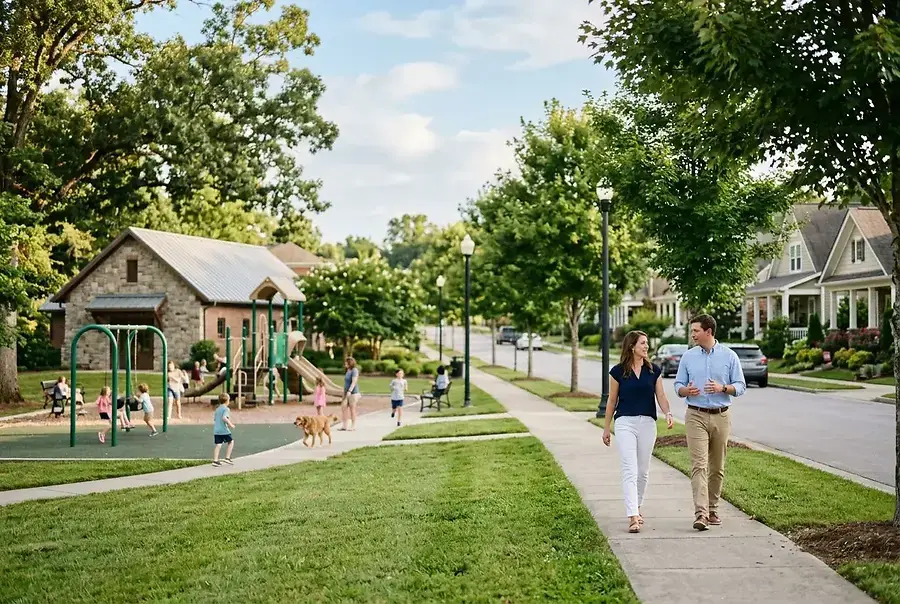
Understanding Crossville's Diverse Neighborhoods
Crossville offers a rich tapestry of neighborhoods, each with its own unique character and appeal. Whether you're a first-time homebuyer or relocating your family, understanding the distinct qualities of each area is essential to finding your perfect home. From established residential communities to newer developments, Crossville provides options for virtually every lifestyle and budget.
The city's neighborhoods range from historic downtown areas with charming architecture to modern suburban developments with contemporary amenities. Each community has developed its own identity, shaped by its residents, local businesses, and investment in infrastructure. Taking time to explore these neighborhoods will help you identify which environment aligns best with your family's values and priorities.
Historic and Central Neighborhoods
The heart of Crossville features well-established neighborhoods known for their tree-lined streets and community spirit. These areas often boast walkable downtown districts with local shops, restaurants, and cultural venues. Homes in these neighborhoods tend to have character and charm, with many featuring original architectural details.
Suburban and Family-Oriented Communities
Newer suburban developments around Crossville cater specifically to families seeking modern conveniences and planned community features. These neighborhoods typically offer newer construction homes, well-maintained streets, and organized community associations that coordinate events and maintenance.
Essential Amenities and Community Features by Area
When evaluating neighborhoods, amenities play a crucial role in your daily quality of life. The best neighborhoods in Crossville offer a comprehensive mix of educational, recreational, and commercial facilities that enhance family living.
Educational Institutions
Schools are often the top priority for families relocating to a new area. Crossville's neighborhoods vary significantly in their proximity to quality schools and educational resources. Consider the following when evaluating schools in your potential neighborhood:
- School ratings and test scores – Research recent performance data and accreditation status
- Distance from home – Evaluate commute times and walking accessibility
- Specialized programs – Look for STEM, arts, or advanced placement offerings
- Extracurricular activities – Check for sports, clubs, and enrichment programs
- School community involvement – Assess parent engagement and volunteer opportunities
Parks and Recreation Facilities
Access to quality parks and recreational facilities significantly impacts neighborhood appeal. The best Crossville neighborhoods feature well-maintained green spaces where families can enjoy outdoor activities. Look for neighborhoods with:
- Playground facilities suitable for various age groups
- Walking and biking trails for active lifestyles
- Community centers offering classes and programs
- Sports facilities including tennis courts, basketball courts, and athletic fields
- Dog parks for pet owners
Shopping and Dining Options
Convenient access to shopping, dining, and services enhances daily living. Neighborhoods with nearby grocery stores, restaurants, and retail options reduce travel time and foster community engagement. Walkable neighborhoods with these amenities are particularly attractive to families who value convenience and community interaction.
Evaluating Neighborhood Quality and Lifestyle Fit
Beyond specific amenities, evaluating overall neighborhood quality requires a holistic approach. Consider both tangible factors and intangible qualities that contribute to a thriving community.
Safety and Community Stability
Safety is paramount when choosing where to raise your family. Research crime statistics, speak with current residents, and visit neighborhoods at different times of day. Well-lit streets, active neighborhood watch programs, and visible community policing are positive indicators of safe neighborhoods. Additionally, assess the neighborhood's stability by examining property values, resident tenure, and community investment.
Demographic and Cultural Fit
Finding a neighborhood where you feel comfortable and connected is essential for long-term satisfaction. Consider the neighborhood's demographic composition, cultural diversity, and community values. Some neighborhoods attract young professionals, while others cater to established families or retirees. Visiting during community events helps you gauge whether you'll feel at home in the area.
Property Values and Investment Potential
While not the only consideration, understanding neighborhood property trends helps ensure your investment is sound. Research recent sales data, price trends, and future development plans. Neighborhoods with stable or appreciating property values and planned improvements typically offer better long-term investment potential.
Commute and Accessibility
Consider your daily commute to work, school, and other frequent destinations. Neighborhoods with good road access, public transportation options, and reasonable commute times reduce stress and increase quality of life. Evaluate both current commute times and potential future changes to traffic patterns.
Making Your Final Neighborhood Decision
After researching and visiting potential neighborhoods, it's time to make your decision. This process requires balancing multiple factors and prioritizing what matters most to your family.
Create a Neighborhood Comparison
Develop a simple comparison tool listing your top neighborhoods and key criteria. Score each area on factors like schools, parks, safety, commute time, and cost. This visual representation helps clarify which neighborhood best meets your family's needs and priorities.
Visit at Different Times
Spend time in your top neighborhoods during different times of day and week. Morning visits reveal school traffic patterns, while evening visits show community activity levels. Weekend visits help you experience parks and recreational facilities when they're most active.
Talk to Current Residents
Current residents provide invaluable insights about neighborhood life that you won't find in statistics. Ask about their experiences, what they love about the area, and any challenges they've encountered. Most neighbors are happy to share their perspectives with potential residents.
Work with a Local Real Estate Professional
A knowledgeable local real estate agent understands Crossville's neighborhoods intimately and can provide personalized recommendations based on your specific needs. They can identify emerging neighborhoods, explain market trends, and help you navigate the home-buying process with confidence.
"The right neighborhood isn't just about the house—it's about the community, schools, and lifestyle that surrounds it. Take time to find the place where your family will truly thrive."
Trust Your Instincts
After gathering data and visiting neighborhoods, trust your gut feeling. The best neighborhood for your family is one where you can envision building memories, establishing friendships, and creating a sense of belonging. Your emotional connection to a place is just as important as the practical amenities it offers.
Choosing a neighborhood in Crossville is an exciting opportunity to find a community that aligns with your family's values and lifestyle. By thoroughly researching neighborhoods, evaluating amenities, and visiting potential areas, you'll make an informed decision that you'll be happy with for years to come.