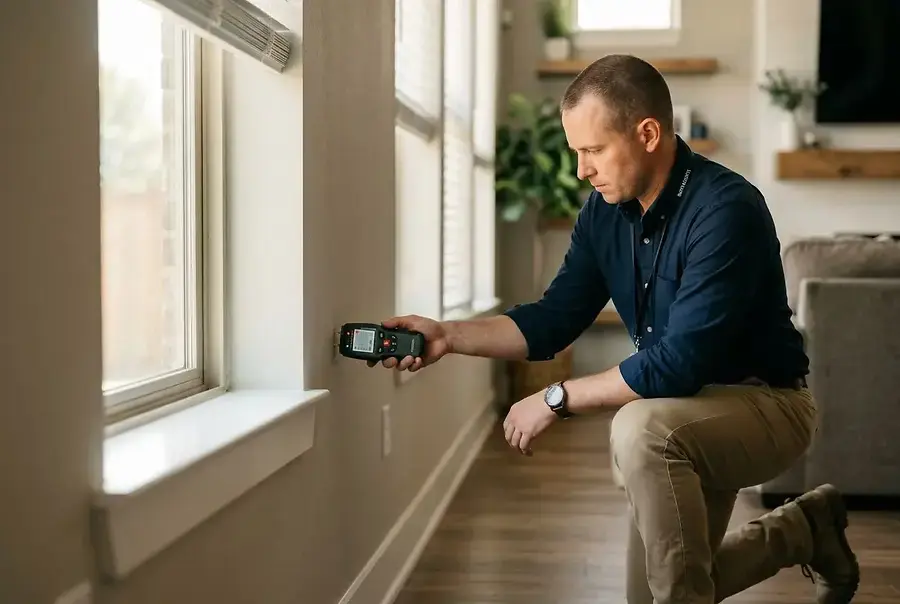
Introduction: Why Home Inspections Are Non-Negotiable for Dallas Buyers
Purchasing a home is one of the most significant financial decisions you'll make in your lifetime. In Dallas, where the real estate market moves quickly and competition among buyers is fierce, it's easy to overlook critical steps in the buying process. However, skipping a professional home inspection is a mistake that could cost you thousands of dollars down the road. A thorough home inspection provides peace of mind and protects your investment by identifying potential problems before you sign the final papers.
Whether you're a first-time homebuyer or an experienced investor, understanding the importance of home inspections and budgeting for them should be at the top of your priority list. This guide will walk you through everything you need to know about Dallas home inspection costs and why this step matters.
Understanding Dallas Home Inspection Costs and What's Included
Typical Inspection Costs in Dallas
Home inspection costs in Dallas typically range from $300 to $500 for a standard residential property, depending on the home's size, age, and complexity. Larger homes or properties with additional structures may cost more. It's important to note that this is a relatively small investment compared to the overall purchase price of your home, yet it can reveal issues worth tens of thousands of dollars.
Several factors influence the final cost of your inspection:
- Property Size: Larger homes require more time to inspect thoroughly
- Age of the Home: Older homes may need more detailed examination
- Property Condition: Homes in poor condition may require extended inspection time
- Additional Services: Specialized inspections (radon, mold, termites) add to the base cost
- Inspector Experience: More experienced inspectors may charge premium rates
What's Included in a Standard Home Inspection
A comprehensive home inspection covers the major systems and components of your home. Here's what you can typically expect:
- Structural Components: Foundation, walls, roof, and framing
- Exterior Elements: Siding, windows, doors, gutters, and drainage systems
- Roofing: Condition, age, and remaining lifespan of the roof
- HVAC Systems: Heating, ventilation, and air conditioning functionality
- Plumbing: Water supply, drainage, fixtures, and water heater
- Electrical Systems: Panel, wiring, outlets, and safety features
- Interior Components: Walls, ceilings, floors, doors, and built-in appliances
- Attic and Basement: Insulation, ventilation, and signs of water damage or pests
Most inspectors provide a detailed written report within 24 hours of the inspection, complete with photographs and recommendations for repairs or further evaluation.
Additional Specialized Inspections
Depending on the property's condition or your concerns, you may want to budget for additional inspections:
- Radon Testing: $150-$300 (important in Texas)
- Mold Inspection: $300-$700
- Termite/Pest Inspection: $75-$150
- Pool Inspection: $200-$400
- Septic System Inspection: $300-$500
Red Flags Inspectors Find in Dallas Homes and How to Address Them
Common Issues in Dallas Properties
Dallas's climate and construction practices mean certain issues appear more frequently than others. Being aware of these common problems can help you negotiate repairs or price adjustments:
Roof Damage and Deterioration
The intense Texas sun and occasional severe weather can take a toll on roofing materials. Inspectors often find missing shingles, curling, or signs of leaks. Roof replacement costs can range from $5,000 to $15,000, making this a significant concern. If your inspection reveals roof issues, request the seller to repair or credit you for repairs.
Foundation Problems
Dallas's clay soil can shift with temperature and moisture changes, causing foundation cracks and settling. While minor cracks are common, significant structural issues require professional foundation repair, which can cost $3,000 to $25,000 or more. This is one of the most critical items to address before purchase.
HVAC System Age and Efficiency
Air conditioning systems in Dallas typically last 10-15 years. If the inspection reveals an aging or failing HVAC system, budget $4,000 to $8,000 for replacement. Ask the seller to service or replace the system before closing.
Water Damage and Plumbing Issues
Leaks, water stains, and plumbing problems are common in older Dallas homes. These issues can lead to mold growth and structural damage if left unaddressed. Have the seller provide documentation of any repairs or request credits for necessary work.
Electrical System Deficiencies
Outdated wiring, insufficient outlets, or safety hazards may be discovered during inspection. Upgrading electrical systems can be expensive, so clarify who will handle these repairs before closing.
How to Use Inspection Results in Negotiations
Once you receive your inspection report, you have several options:
- Request Repairs: Ask the seller to fix identified issues before closing
- Negotiate Credits: Request a credit toward closing costs to handle repairs yourself
- Renegotiate Price: Use significant findings to justify a lower offer
- Walk Away: If major issues are discovered, you may have grounds to exit the contract
Pro tip: Always have a qualified contractor provide estimates for major repairs before negotiating with the seller. This gives you concrete numbers to work with.
Conclusion: Making Informed Decisions With Inspection Results
A home inspection is not an expense—it's an investment in your future. For $300 to $500, you gain invaluable information about the property you're about to purchase. In Dallas's competitive real estate market, this knowledge gives you the leverage to negotiate better terms and avoid costly surprises after closing.
Remember these key takeaways:
- Budget $300-$500 for a standard inspection, plus additional costs for specialized services
- Use the inspection report to negotiate repairs, credits, or price adjustments
- Address major issues like foundation problems and roof damage before purchase
- Don't skip the inspection to save money—it could cost you far more in the long run
By taking the time to understand inspection costs and what they reveal about your potential Dallas home, you're making a smart, informed decision that protects your investment and gives you confidence in your purchase. Work with a qualified inspector and use their findings to ensure you're buying a home that's worth your investment.