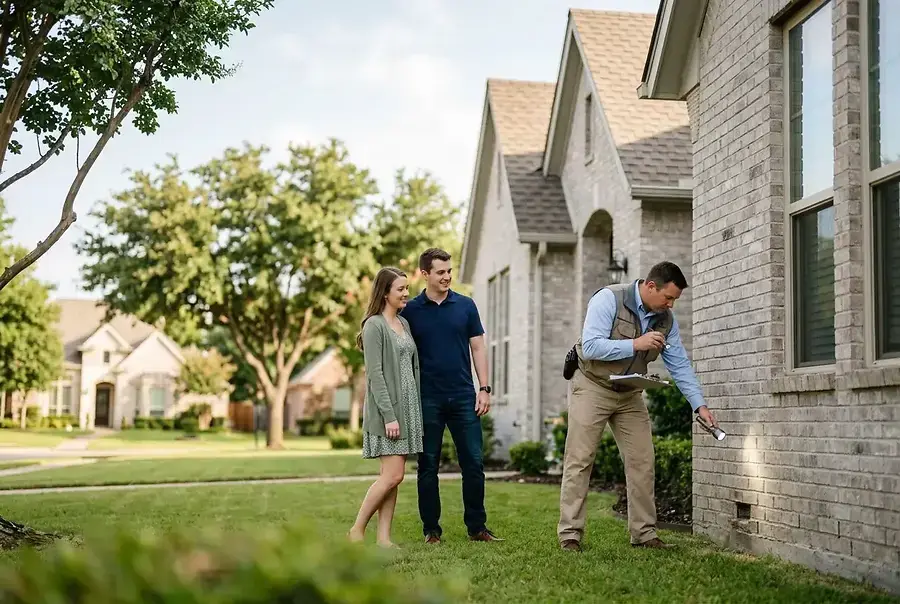
Understanding Dallas Home Inspection Standards and Requirements
When purchasing a home in Dallas, a professional home inspection is one of the most critical steps in the buying process. Texas requires home inspectors to be licensed and follow specific standards set by the Texas Real Estate Commission (TREC). These standards ensure that inspections are thorough and consistent across the state.
A standard home inspection typically costs between $300 and $500 in the Dallas area, depending on the home's size and age. The inspection usually takes 2-3 hours and covers all major systems and components of the property. It's important to note that a home inspection is not the same as an appraisal—an appraisal determines the home's value for financing purposes, while an inspection assesses its condition.
Texas law allows buyers to include an inspection contingency in their offer, giving them a set period (usually 7-10 days) to have the home inspected. This contingency protects you by allowing you to renegotiate or withdraw from the purchase if significant issues are discovered.
The Inspector's Role and Qualifications
Licensed home inspectors in Texas must complete extensive training and pass a comprehensive exam. They are required to provide a detailed written report within a specified timeframe. Your inspector should be willing to walk you through the property and explain their findings in detail.
Key Areas Inspectors Examine in North Texas Homes
Dallas homes face unique challenges due to the region's climate, soil conditions, and construction practices. Here are the critical areas that professional inspectors focus on:
Foundation and Structural Integrity
The foundation is the most important component of any home. North Texas is known for expansive clay soil, which can cause foundation settling and cracking. Inspectors look for:
- Visible cracks in the foundation or basement walls
- Uneven floors or sloping surfaces
- Gaps between walls and door frames
- Signs of water intrusion or moisture damage
Foundation issues can be expensive to repair, sometimes costing $10,000 or more, so this is a critical inspection point.
Roof and Exterior
Dallas experiences intense sun, hail storms, and occasional severe weather. Your inspector will examine:
- Roof age and condition of shingles
- Flashing around chimneys and vents
- Gutters and downspouts
- Exterior walls for damage or deterioration
- Windows and doors for proper sealing
HVAC Systems
With Dallas summers reaching extreme temperatures, a functioning air conditioning system is essential. Inspectors evaluate:
- Age and condition of the AC unit
- Heating system functionality
- Ductwork for leaks or damage
- Thermostat operation
Plumbing and Water Systems
Water-related issues can lead to costly damage. Inspectors check:
- Water pressure and flow
- Pipe material and condition (galvanized vs. copper)
- Water heater age and functionality
- Signs of leaks or water damage
- Sump pump operation (if applicable)
Electrical Systems
Safety is paramount when evaluating electrical systems. Inspectors examine:
- Panel condition and capacity
- Presence of GFCI outlets in wet areas
- Proper grounding and bonding
- Outdated wiring that may need replacement
How to Review Your Inspection Report and Address Issues
Once you receive the inspection report, take time to carefully review it. The report should be detailed and easy to understand, with photos and descriptions of any issues found.
Categorizing Issues by Severity
Inspectors typically categorize findings as:
- Safety Issues: Problems that pose immediate danger (electrical hazards, structural concerns)
- Major Repairs: Significant issues requiring professional attention (roof replacement, foundation repair)
- Minor Repairs: Small fixes that don't affect home safety or function (caulking, paint touch-ups)
- Maintenance Items: Regular upkeep recommendations (HVAC servicing, gutter cleaning)
Getting a Second Opinion
Don't hesitate to hire a specialist for specific concerns. If the inspector identifies potential foundation issues, consider getting a structural engineer's evaluation. For electrical or plumbing concerns, a licensed contractor can provide more detailed insights.
Asking the Right Questions
Contact your inspector if anything in the report is unclear. Ask about:
- The urgency of repairs
- Estimated costs for major issues
- Whether issues are common in Dallas-area homes
- Recommended contractors or specialists
Protecting Your Investment: Using Inspections to Negotiate Better Deals
A thorough inspection report is a powerful negotiating tool. Here's how to use it strategically:
Negotiation Strategies
Request repairs: Ask the seller to fix major issues before closing. This ensures the work is done to code and you have recourse if problems persist.
Request credits: For issues the seller won't repair, negotiate a credit toward closing costs that you can use to hire contractors.
Price reduction: If repairs are extensive, request a reduction in the purchase price to account for the cost of fixes.
Walk away: If inspection reveals major problems and the seller won't negotiate, you have the right to terminate the contract during the inspection period.
Creating a Repair Estimate List
Before negotiating, gather repair estimates from licensed contractors. This gives you concrete numbers to present to the seller and strengthens your negotiating position.
A well-documented inspection report with professional repair estimates can save you thousands of dollars in unexpected repairs after closing.
Post-Closing Considerations
Even after closing, keep your inspection report for future reference. It documents the home's condition at purchase and can be valuable for:
- Planning future maintenance and repairs
- Insurance claims related to pre-existing conditions
- Future home sales and disclosures
By understanding Dallas home inspection essentials and using the inspection process strategically, you protect your investment and make informed decisions about one of the largest purchases of your life.