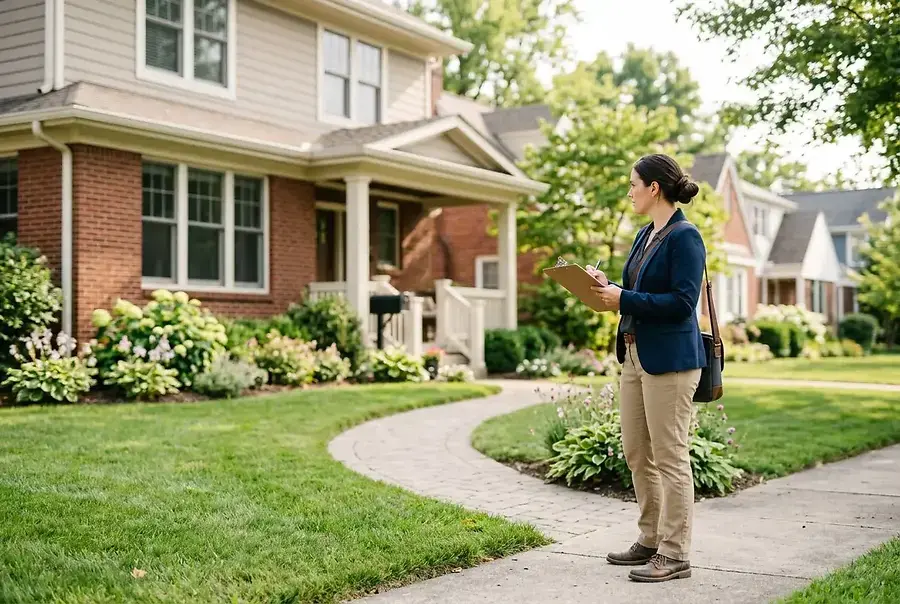
Understanding the Home Appraisal Process in Dayton
A home appraisal is an independent assessment of your property's fair market value. Whether you're refinancing, selling, or purchasing a home in Dayton, understanding this process is essential. An appraiser—a licensed professional trained to evaluate real estate—will conduct a thorough inspection of your property and compare it to similar homes in the area.
The appraisal process typically begins when a lender or homeowner requests a formal evaluation. The appraiser will visit your property, examine its condition, and gather data on comparable sales in your neighborhood. This information is compiled into a detailed report that serves as an official estimate of your home's value. In Dayton's competitive real estate market, having an accurate appraisal can make all the difference in your financial decisions.
Why Appraisals Matter
Appraisals protect both buyers and lenders by ensuring that the property's value justifies the loan amount. For homeowners, an appraisal provides peace of mind and clarity about their investment. If you're planning to refinance or sell, knowing your home's true market value helps you make informed decisions.
Key Factors That Influence Your Property's Appraised Value
Several factors play a crucial role in determining your Dayton home's appraised value. Understanding these elements can help you appreciate how appraisers arrive at their conclusions.
Location and Neighborhood
Location is one of the most significant factors affecting property value. Appraisers evaluate:
- Proximity to schools, shopping, and employment centers
- Neighborhood safety and crime rates
- Quality of local schools
- Community amenities and parks
- Overall neighborhood trends and desirability
Property Condition and Age
The physical condition of your home directly impacts its appraised value. Appraisers assess:
- Structural integrity and foundation condition
- Roof age and condition
- HVAC systems and their functionality
- Plumbing and electrical systems
- Interior finishes and overall maintenance
- Any signs of water damage, mold, or pest issues
Size and Layout
Square footage, number of bedrooms and bathrooms, and overall floor plan significantly influence value. Appraisers measure the living space and evaluate how efficiently the layout functions for modern living.
Comparable Sales
Comparable sales (or "comps") are similar homes recently sold in your area. Appraisers use these sales to establish a baseline for your property's value. In Dayton, having multiple recent comparable sales helps ensure a more accurate appraisal.
Upgrades and Improvements
Recent renovations and upgrades can positively impact your home's value. However, not all improvements provide equal returns. Kitchen and bathroom updates, energy-efficient systems, and modern appliances typically add value, while highly personalized upgrades may not.
How to Prepare Your Home for a Successful Appraisal
Proper preparation can help ensure your home is appraised at its true market value. Here are practical steps to take before the appraiser arrives.
Clean and Declutter
First impressions matter. A clean, well-maintained home creates a positive impression and allows the appraiser to see your property in its best light. Focus on:
- Deep cleaning all rooms and surfaces
- Removing excess clutter and personal items
- Organizing closets and storage spaces
- Ensuring windows are clean and bright
Make Minor Repairs
Address obvious maintenance issues before the appraisal. Small repairs can prevent the appraiser from deducting value for neglect. Consider fixing:
- Leaky faucets and running toilets
- Broken light fixtures and switches
- Cracked windows or damaged screens
- Peeling paint or damaged drywall
- Loose or damaged flooring
Enhance Curb Appeal
Your home's exterior is the first thing an appraiser sees. Invest time in:
- Mowing the lawn and trimming hedges
- Planting fresh flowers or mulch
- Cleaning the driveway and walkways
- Ensuring the front door and entryway are welcoming
- Checking that the roof appears well-maintained
Document Your Improvements
Keep records of any recent upgrades or renovations. Provide the appraiser with documentation of:
- New HVAC systems or water heaters
- Roof replacements or repairs
- Kitchen or bathroom remodels
- Energy-efficient upgrades
- Permits and contractor information
Be Present and Cooperative
While you don't need to hover, being available to answer questions and provide access to all areas of your home is helpful. Share information about recent improvements and any unique features that add value.
Using Your Appraisal Results to Make Informed Real Estate Decisions
Once you receive your appraisal report, it's time to use this information strategically.
For Sellers
If your appraisal comes in higher than expected, you may have room to increase your asking price. Conversely, if it's lower than anticipated, you can adjust your pricing strategy accordingly. Use the appraisal as a data-driven tool to set realistic expectations in Dayton's market.
For Refinancers
A strong appraisal can unlock better refinancing terms and lower interest rates. If your home's value has increased, you may qualify for cash-out refinancing to fund home improvements or other financial goals.
For Buyers
If the appraisal comes in lower than the purchase price, you have negotiating leverage. You can request the seller lower the price or request additional concessions to bridge the gap.
Disputing an Appraisal
If you believe your appraisal is inaccurate, you have options. You can request a reconsideration of value by providing additional comparable sales data or documentation of recent improvements. Professional appraisers are trained to be objective, but errors can occur—it's worth investigating if you have concerns.
Understanding your home's appraised value empowers you to make confident real estate decisions. By knowing what appraisers evaluate and how to present your Dayton home in its best light, you can ensure an accurate assessment that reflects your property's true market worth. Whether you're buying, selling, or refinancing, this knowledge is an invaluable asset in today's real estate landscape.