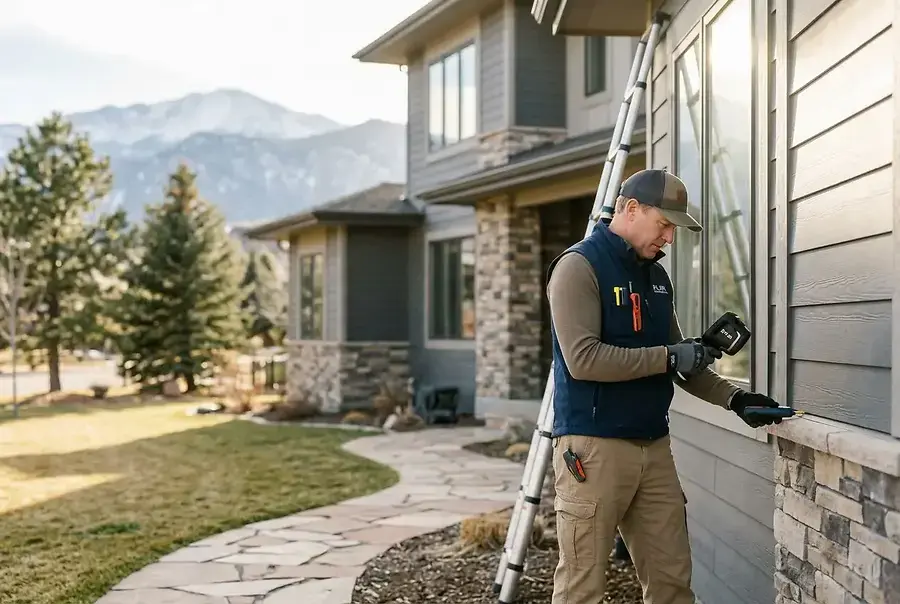
Why Professional Home Inspections Matter in Denver
Purchasing a home in Denver is one of the most significant investments you'll make in your lifetime. With the city's competitive real estate market, it's easy to get caught up in the excitement of finding the perfect property and overlook critical details. This is where professional home inspections become invaluable.
A thorough home inspection provides an independent, objective assessment of a property's condition. In Denver's unique climate—characterized by high altitude, intense sun exposure, and occasional hail storms—homes face specific challenges that require expert evaluation. Professional inspectors understand these regional factors and can identify issues that untrained eyes might miss.
The inspection process protects you by:
- Revealing hidden structural problems before you commit financially
- Identifying safety hazards that could affect your family
- Uncovering costly repairs that might be needed soon
- Providing leverage for negotiating repairs or price adjustments
- Giving you peace of mind about your investment
Without a professional inspection, you could inherit expensive problems that weren't apparent during your walkthrough. In Denver's fast-paced market, taking time for a thorough inspection is a smart investment that pays dividends.
What Denver Home Inspectors Look For: The Essential Checklist
Structural Components
Inspectors begin by examining the foundation, walls, and overall structural integrity. Denver's clay-based soil can shift with temperature changes and moisture levels, potentially causing foundation cracks or settling. A qualified inspector will look for signs of movement, water damage, and structural stress that could indicate serious problems.
Roofing and Exterior
Denver's intense UV rays and occasional hail storms take a toll on roofs. Inspectors assess shingle condition, flashing integrity, and drainage systems. They'll also examine siding, gutters, and downspouts to ensure water is properly directed away from the foundation. The exterior is your home's first line of defense against Colorado's weather.
HVAC Systems
Heating and cooling systems are critical in Denver's climate. Inspectors test furnaces, air conditioners, and ventilation systems to ensure they operate efficiently. They'll check for proper installation, maintenance history, and remaining lifespan. A failing HVAC system can cost thousands to replace, making this assessment crucial.
Plumbing and Water Systems
Inspectors examine water supply lines, drainage systems, and fixtures throughout the home. Denver's water quality and mineral content can affect pipes over time. They'll look for leaks, corrosion, water pressure issues, and proper venting. The inspection also includes checking water heaters for age, condition, and safety features.
Electrical Systems
A comprehensive electrical inspection ensures the system meets current safety codes. Inspectors check the panel, wiring, outlets, and grounding. Older Denver homes may have outdated electrical systems that need upgrading. This assessment is vital for preventing fire hazards and ensuring adequate power for modern appliances.
Interior Conditions
Inspectors examine walls, ceilings, floors, doors, and windows for damage, moisture problems, or settling issues. They test windows and doors for proper operation and seal integrity. Interior inspection also includes checking for signs of pests, mold, or water intrusion that could indicate larger problems.
Red Flags and Common Issues in Denver Properties
Foundation Problems
Cracks in foundations are common in Denver due to soil composition and freeze-thaw cycles. While minor cracks are normal, significant structural cracks, bowing walls, or uneven settling require immediate attention. These issues can be expensive to repair and may affect the home's value and insurability.
Roof Damage
Hail damage is particularly common in Denver. Look for missing shingles, dents, or granule loss. Roof replacement can cost $10,000 or more, so understanding the roof's condition is essential. Inspectors will provide an estimate of remaining roof life.
Water Intrusion and Moisture Issues
Denver's dry climate can be deceiving—water damage still occurs around foundations, basements, and poorly maintained gutters. Moisture problems can lead to mold growth, wood rot, and structural damage. Basements are particularly vulnerable and should be carefully inspected for signs of water entry.
Outdated Systems
Older Denver homes may have outdated electrical, plumbing, or HVAC systems. Knob-and-tube wiring, galvanized pipes, or aging furnaces may need replacement soon. Understanding the age and condition of major systems helps you budget for future upgrades.
Radon Exposure
Radon is a naturally occurring radioactive gas found in Colorado soil. Professional radon testing is essential in Denver, as elevated levels can pose health risks. Many homes require radon mitigation systems, which should be factored into your decision.
Asbestos and Lead Paint
Homes built before the 1980s may contain asbestos in insulation, flooring, or roofing materials. Homes painted before 1978 likely contain lead paint. While not always dangerous if undisturbed, these materials require careful handling and disclosure.
Using Inspection Reports to Make Confident Offers
Understanding Your Report
A professional inspection report provides detailed findings organized by system and severity. Reports typically categorize issues as critical (needs immediate attention), major (should be addressed soon), or minor (cosmetic or low-priority). Understanding these categories helps you prioritize concerns.
Negotiation Strategies
Use your inspection report as a negotiation tool. For critical issues, request that the seller make repairs before closing or provide credits for you to handle repairs. For major issues, you might negotiate a price reduction. Be reasonable in your requests—sellers expect some negotiation, but unreasonable demands may kill the deal.
Making Your Final Decision
Review the inspection report carefully with your real estate agent and consider:
- The cost of repairs versus the home's overall value
- Whether critical issues are deal-breakers
- Your budget for post-purchase repairs
- The home's long-term investment potential
- Your comfort level with the property's condition
Remember, no home is perfect. The inspection report helps you make an informed decision rather than an emotional one. In Denver's competitive market, having complete information gives you confidence and control.
Moving Forward
A professional home inspection is your safeguard against costly surprises. By understanding what inspectors look for, recognizing common Denver-specific issues, and using the inspection report strategically, you can make confident offers and protect your investment. Don't skip this critical step—your future self will thank you.