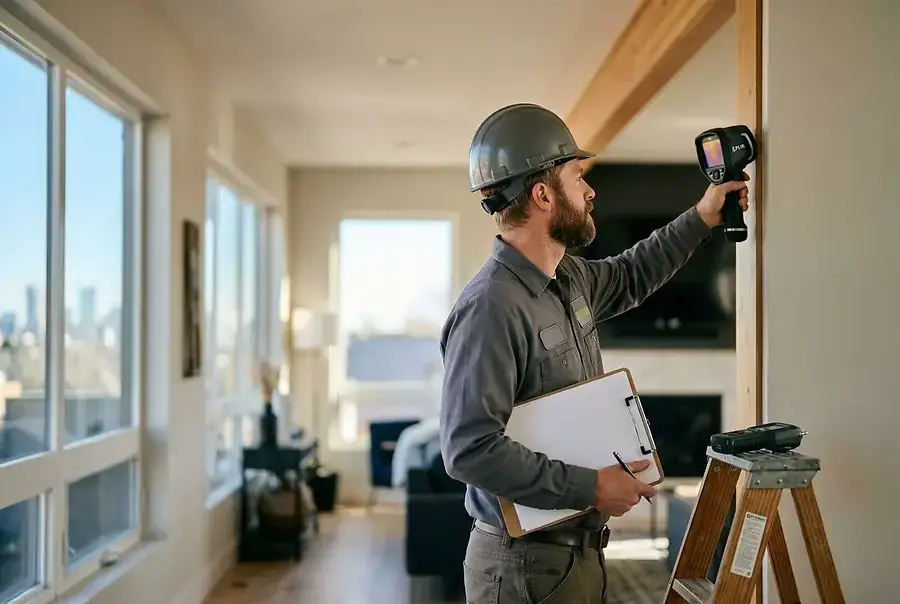
Why Home Inspections Are Non-Negotiable for Denver Buyers
Purchasing a home is one of the most significant financial decisions you'll make in your lifetime. In Denver's competitive real estate market, it's easy to get caught up in the excitement of finding the perfect property and overlook one of the most critical steps in the buying process: the professional home inspection.
A thorough home inspection is your opportunity to uncover hidden problems before you sign on the dotted line. Professional inspectors examine every major system in a home—from the foundation to the roof—identifying issues that could cost thousands of dollars to repair. Without this crucial step, you could inherit someone else's problems and face unexpected expenses that strain your finances.
Denver's unique climate, altitude, and aging housing stock create specific challenges that make inspections even more essential. Understanding what inspectors look for and what red flags should concern you can mean the difference between a sound investment and a costly mistake.
Common Structural and Environmental Issues Found in Denver Homes
Foundation Problems
Denver's clay-heavy soil expands and contracts with moisture changes, making foundation issues particularly common. Inspectors look for cracks, settling, and water damage that indicate structural movement. Hairline cracks might be cosmetic, but larger cracks or bowing walls signal serious problems requiring professional repair.
Roof and Attic Concerns
Denver's intense sun and hail storms take a toll on roofing materials. Inspectors examine shingles for missing granules, curling, or damage that compromises the roof's integrity. They also check attic ventilation and insulation, which are critical for managing Denver's temperature extremes and preventing moisture buildup.
Water Intrusion and Moisture Issues
Despite Denver's dry climate, water damage remains a significant concern. Inspectors look for signs of water intrusion in basements, crawl spaces, and around windows and doors. Moisture problems can lead to mold growth, wood rot, and structural damage that becomes increasingly expensive to address.
HVAC System Efficiency
Denver's altitude and temperature fluctuations demand reliable heating and cooling systems. Inspectors evaluate the age, condition, and efficiency of HVAC equipment. Older systems may not meet current efficiency standards and could require replacement soon after purchase.
Radon and Air Quality
Radon, a naturally occurring radioactive gas, is a concern in many Denver homes. Professional inspectors test for radon levels, which can accumulate in basements and lower levels. Elevated radon levels require mitigation systems to protect your family's health.
Electrical System Safety
Older Denver homes may have outdated electrical systems that don't meet current safety codes. Inspectors check for adequate grounding, proper circuit breaker function, and potential fire hazards. Aluminum wiring, common in homes built during certain decades, requires special attention due to safety concerns.
Red Flags That Should Delay or Kill Your Purchase Decision
Structural Damage and Foundation Failure
If an inspection reveals significant foundation cracks, bowing walls, or evidence of settling, this is a major red flag that demands a structural engineer's evaluation. Repairs can cost $10,000 to $50,000 or more. Unless the seller agrees to substantial price reductions or repairs, you should seriously reconsider the purchase.
Extensive Roof Damage
A roof nearing the end of its lifespan or showing significant damage is a costly problem. If replacement is needed within the next few years, factor in $8,000 to $15,000 or more for a new roof. Request the seller address this before closing or negotiate a credit toward repairs.
Mold and Severe Water Damage
Visible mold, musty odors, or evidence of extensive water damage indicates serious moisture problems. Mold remediation and water damage repair can be expensive and health-threatening. Have a mold specialist evaluate the extent of the problem before proceeding.
Failing HVAC Systems
If the heating or cooling system is at the end of its life or non-functional, replacement costs are substantial. Request a professional HVAC evaluation and factor replacement costs into your decision. A new system can cost $5,000 to $10,000 or more.
High Radon Levels
Radon levels above 4 pCi/L require mitigation. While radon systems are manageable, they add to your costs. Ensure the seller either installs a mitigation system or provides a credit for installation before closing.
Outdated or Unsafe Electrical Systems
Aluminum wiring, insufficient grounding, or overloaded circuits present fire hazards. Electrical upgrades can be expensive and are non-negotiable for safety. Request the seller address electrical issues or provide substantial credits for repairs.
Plumbing Problems
Corroded pipes, leaks, or outdated plumbing systems can lead to water damage and costly repairs. If the inspection reveals significant plumbing issues, get a plumber's estimate and negotiate accordingly.
Using Inspection Reports to Negotiate and Move Forward Confidently
Once you receive the inspection report, you have leverage to negotiate. Use the findings to request repairs, credits, or price reductions from the seller. Prioritize major structural and safety issues over cosmetic concerns.
If the inspection reveals significant problems, you have options: request the seller make repairs before closing, ask for a credit to handle repairs yourself, negotiate a lower purchase price, or walk away from the deal. Don't let emotions override logic—if the numbers don't work, there will be other homes.
A professional home inspection is your safeguard against costly surprises. In Denver's real estate market, this investment in due diligence protects your financial future and gives you the confidence to move forward with your purchase or the wisdom to step back.