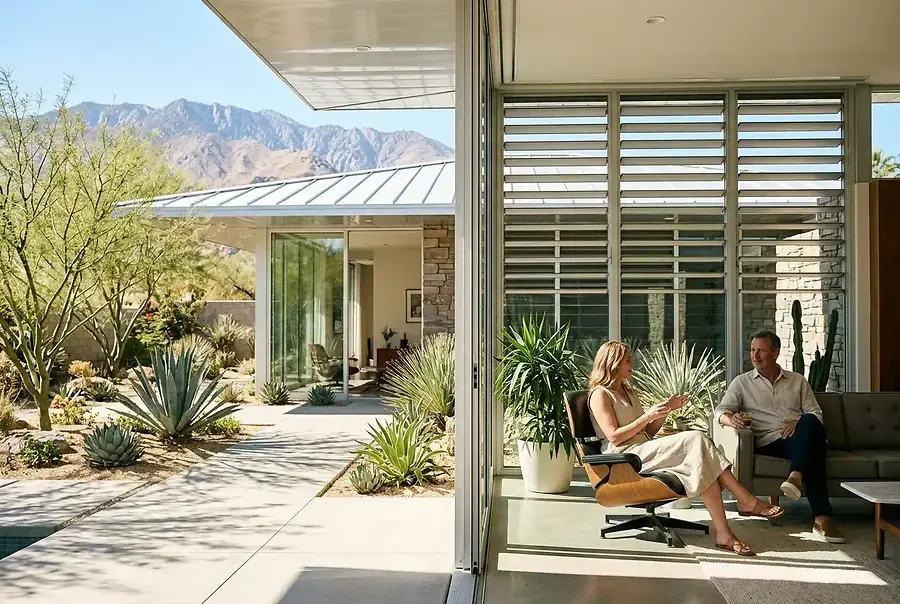
Introduction: The Unique Climate Challenges of Palm Springs Residential Properties
Living in Palm Springs presents a unique set of environmental challenges that differ significantly from other regions. The intense desert heat, with temperatures regularly exceeding 100°F during summer months, demands specialized approaches to home climate control. Unlike humid climates, the dry desert air creates different cooling demands and opportunities for homeowners willing to invest in proper solutions.
The key to comfortable desert living lies in understanding how heat affects your home and implementing strategic cooling and insulation measures. Without proper climate control systems and energy-efficient upgrades, utility bills can skyrocket while comfort levels plummet. This guide explores the essential strategies for maintaining a cool, comfortable home while managing energy costs effectively.
HVAC Systems, Insulation, and Cooling Solutions for Desert Homes
Choosing the Right HVAC System
The foundation of any desert home's climate control is a properly sized and maintained HVAC system. Central air conditioning is essential in Palm Springs, where temperatures can remain dangerously high throughout the day and evening. Modern systems offer variable-speed compressors and smart thermostats that adjust cooling based on real-time temperature needs.
When selecting an HVAC system, consider the following factors:
- System capacity rated for extreme heat conditions
- Energy efficiency ratings (SEER ratings of 16 or higher)
- Regular maintenance schedules to ensure optimal performance
- Professional installation by certified technicians
Insulation: Your First Line of Defense
Proper insulation is critical in desert homes because it prevents heat from penetrating your living spaces. The attic is where most heat gain occurs, making it the priority area for insulation upgrades. Aim for R-values between R-38 and R-60 in attic spaces to effectively block the intense desert sun.
Beyond the attic, consider these insulation improvements:
- Wall insulation with reflective barriers to deflect radiant heat
- Basement or crawl space insulation to prevent heat transfer from below
- Pipe insulation to protect plumbing from extreme temperatures
- Ductwork insulation to maintain cool air temperature during distribution
Window and Door Solutions
Windows and doors are significant sources of heat infiltration in desert homes. Low-emissivity (Low-E) windows are specifically designed to reflect infrared radiation while allowing visible light to enter. These specialized windows can reduce cooling costs by 15-20% compared to standard windows.
Additional strategies include:
- Installing exterior shading devices like awnings or solar screens
- Using thermal-break door frames to minimize heat transfer
- Applying reflective window films to existing windows
- Installing cellular shades or thermal curtains for nighttime insulation
Energy-Efficient Upgrades That Reduce Utility Costs in Desert Properties
Smart Thermostat Technology
Modern smart thermostats learn your cooling preferences and adjust temperatures automatically based on occupancy and time of day. These devices can reduce cooling costs by 10-15% annually. Programmable features allow you to set different temperatures for various times, ensuring you're not cooling an empty home during work hours.
"Smart thermostats represent one of the most cost-effective upgrades for desert homeowners, offering both comfort and significant energy savings."
Reflective Roofing Materials
Your roof absorbs tremendous solar radiation in the desert climate. Upgrading to reflective or "cool roof" materials can significantly reduce the heat absorbed by your home. Light-colored roofing materials with high solar reflectance ratings can lower roof surface temperatures by 30-40°F compared to traditional dark roofs.
Consider these roofing options:
- Metal roofing with reflective coatings
- Tile roofing in light colors
- Reflective coatings applied to existing roofs
- Green roofing with vegetation for natural insulation
Outdoor Shading and Landscaping
Strategic landscaping provides natural cooling while enhancing your property's aesthetic appeal. Shade trees positioned on the west and south sides of your home can reduce cooling costs by 20-25%. Native desert plants require minimal water while providing visual interest and environmental benefits.
Effective outdoor cooling strategies include:
- Planting deciduous trees for summer shade and winter sun exposure
- Installing pergolas or shade structures over patios
- Creating windbreaks to reduce hot wind exposure
- Using drought-resistant plants to minimize water usage
Ventilation and Air Circulation
Proper ventilation helps remove hot air from your home, reducing the burden on your HVAC system. Whole-house fans can pull cool night air through your home, exhausting hot air through the attic. This strategy works particularly well in desert climates where nighttime temperatures drop significantly.
Ceiling fans and portable fans improve air circulation without consuming as much energy as air conditioning. Using fans strategically allows you to set your thermostat a few degrees higher while maintaining comfort.
Conclusion: Preparing Your Palm Springs Home for Year-Round Desert Living
Successfully managing climate control in a Palm Springs home requires a comprehensive approach combining proper HVAC systems, superior insulation, and energy-efficient upgrades. The investment in these improvements pays dividends through reduced utility bills and enhanced comfort throughout the year.
Start with an energy audit to identify your home's specific weaknesses and prioritize upgrades accordingly. Many utility companies offer free or subsidized audits to help homeowners understand their energy consumption patterns. By implementing these strategies systematically, you'll create a home that stays comfortable while minimizing environmental impact and energy costs.
Desert living in Palm Springs is entirely achievable with the right preparation and commitment to energy efficiency. Your home can become a cool, comfortable refuge from the intense heat while maintaining reasonable utility expenses year-round.